


4th of July Party Ideas 2026: The Ultimate Backyard Celebration Guide

There's something about the Fourth of July that hits different every single year — the smell of charcoal drifting over a backyard fence, kids chasing each other with sparklers before the sky even goes dark, and that first crack of a firework that makes everyone on the block look up at once. If you're the one hosting this year, you already know the vibe you're chasing. The question is how to actually pull it off without spending your whole holiday weekend running to three different stores.
This guide walks through everything — decor, food, games, timing, budget — so you can build an Independence Day party that looks like it took a professional stylist a week to plan, when really it took you one focused evening of ordering the right supplies.
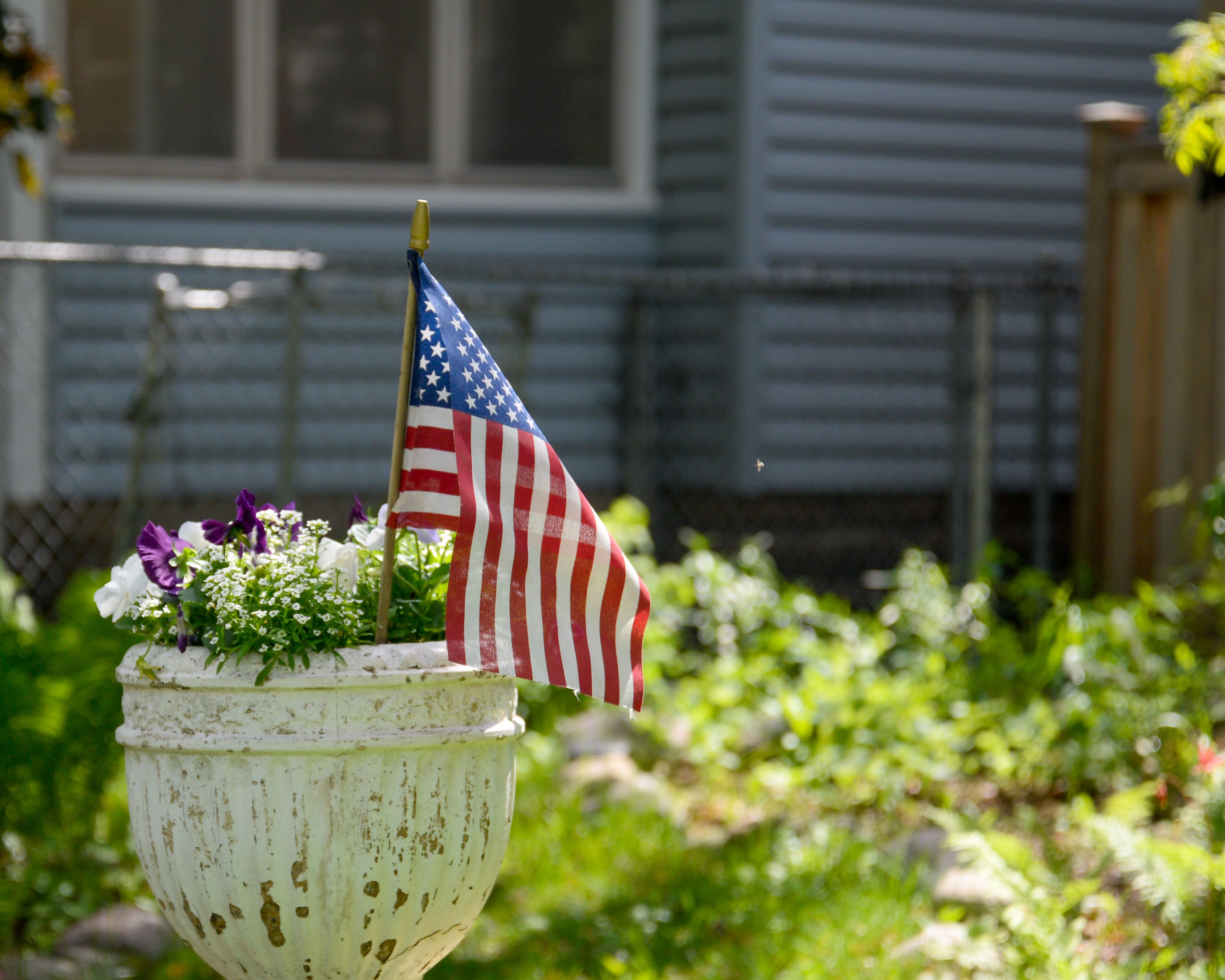
Start With a Theme, Not a Shopping List
The biggest mistake first-time hosts make is buying decorations item by item instead of picking a cohesive look first. A scattered mix of random red, white, and blue items reads as "leftover Halloween candy aisle," while a chosen palette reads as intentional. Pick one of these three directions and stick to it:
- Classic Americana — crisp red, white, and navy blue, stars, stripes, bunting, and simple string lights. Timeless and safe if you're hosting extended family.
- Modern Patriotic — navy and white with metallic gold or silver accents instead of bright red. Feels more like a stylish backyard dinner party than a scout troop meeting.
- Retro Carnival — think vintage circus stripes, pennant banners, and popcorn-and-lemonade stands. Great for a party with a lot of kids.
Once you've settled on a direction, build your table, backdrop, and favors around it. A well-stocked 4th of July party decoration collection makes this step painless — you can grab coordinated plates, napkins, banners, and balloons in one pass instead of hunting across a dozen listings.
The Tablescape: Where Most of Your Compliments Will Come From
Guests remember tables. It's the one surface everyone interacts with directly, so it's worth spending a disproportionate amount of your decorating energy here. A few tested layering tricks:
- Layer your linens. A solid tablecloth as a base, then a runner in a contrasting pattern (stars, stripes, or chevron) down the center.
- Mix plate sizes. Use a patterned dinner plate under a plain dessert plate, or vice versa — it creates visual depth without extra cost.
- Anchor with a centerpiece. Mason jars with mini flags, a bowl of red and blue candy, or a cluster of star-shaped balloons on ribbon weights all work.
- Don't forget the napkin fold. A simple fan fold or a napkin ring made from twine and a mini flag elevates the whole setting for about ten seconds of effort per plate.
If you want the whole tablescape to feel curated rather than thrown together, shop it as a set from the patriotic party supplies collection, where plates, cups, napkins, and tablecloths are already designed to coordinate.

Food and Drink That Doesn't Require a Chef
The Fourth of July is a grilling holiday first and a plated-dinner-party holiday never. Lean into that. Here's a menu structure that keeps the cook out of the kitchen and in the conversation:
- Grill station: burgers, hot dogs, and one vegetarian option (grilled corn or portobello caps) so nobody feels like an afterthought.
- Make-ahead sides: pasta salad, a layered dip, and a big bowl of watermelon cut into stars with a cookie cutter — a five-minute trick that photographs beautifully.
- The dessert table: flag cake (angel food cake, whipped cream, strawberries, blueberries) is the single highest "wow-to-effort" ratio dessert that exists. It takes fifteen minutes and looks like a bakery made it.
- Drinks: a red, white, and blue layered "sparkler" mocktail (grenadine, sprite, blue curaçao syrup for the kids' version or actual curaçao for the adults') poured into clear cups so the layers show.
Set up a self-serve drink station early so you're not playing bartender all afternoon — guests will refill themselves happily if the cups, ice, and garnishes are all within arm's reach.
Games and Activities for Every Age Group
A party without planned activities relies entirely on your guests to entertain themselves, which works for about ninety minutes before people start checking their phones. Build in a loose activity schedule:
- Early afternoon (kids): water balloon toss, sidewalk chalk mural contest, a scavenger hunt for small flags hidden around the yard.
- Mid-afternoon (everyone): cornhole tournament, a "guess the number of stars in the jar" contest, a red-white-and-blue trivia round about American history (keep it light and fun, not a pop quiz).
- Evening (as the sun goes down): sparkler photo booth — set up a simple backdrop with string lights and let people take long-exposure sparkler photos on their phones. This alone generates half your social media tags for the day.
If you're hosting near a pool, this is also the natural moment to blend in pool games — floating cornhole, a "flag capture" swim relay, or simply letting kids splash while the adults supervise from the shade.
Fireworks and Sparkler Safety (Please Actually Read This Part)
Every year, emergency rooms see a predictable spike around July 4th from sparkler burns and firework mishandling — and it's almost always preventable. A few non-negotiables if your celebration includes any at-home fireworks or sparklers:
- Keep a bucket of water or a hose within reach at all times, not just "somewhere in the garage."
- Sparklers burn at over 1,800°F — that's hot enough to melt some metals. Never hand one to a child under five, and supervise older kids the entire time.
- Light one firework at a time, from a clear, flat area, away from dry grass, and never relight a dud — soak it in water instead.
- Check your local and state fireworks regulations before assuming anything is legal in your area — rules vary widely by city.
If your local area doesn't allow home fireworks, a glow-stick and LED-balloon "light show" after dark is a genuinely great substitute that keeps small kids just as delighted without the risk.
Budgeting: How to Throw a Great Party Without Overspending
You don't need a huge budget to make an impression — you need a smart allocation of a modest one. A rough breakdown that works well for a 15–25 guest backyard party:
- 40% — food and drink (this is where money should go; nobody remembers the napkin brand, everyone remembers if the food was good)
- 30% — tableware and decor (buy coordinated sets rather than piecing together individual items — it's usually cheaper per-piece and looks more finished)
- 20% — activities/games (a $15 cornhole set or a $10 bag of water balloons gets reused for years)
- 10% — "fun extras" (sparklers, a photo booth backdrop, novelty sunglasses for the kids)
Buying tableware in a themed multi-pack rather than assembling odds and ends individually is consistently the single biggest money-and-time saver — and it's also what makes the party look styled rather than improvised.
A Sample Timeline for Hosting Day
- Morning: Set up tables, hang bunting and banners, chill drinks, prep make-ahead sides.
- 1 hour before guests arrive: Start the grill warming up, set out the dessert table, put ice in the drink station.
- Arrival window: Greet guests near the food/drink station so mingling starts naturally.
- Mid-party: Run one organized game or activity so people who don't know each other well have something shared to talk about.
- As dusk falls: Move to sparklers/fireworks or the glow-stick alternative, and let the party wind down slowly from there.
Choosing the Right Venue for Your Crowd Size
Before you buy a single decoration, it helps to be honest about where the party is actually happening, because that decision quietly shapes everything else. A backyard party for 15 people needs a completely different setup than a driveway block party for 60, or an apartment rooftop gathering for a dozen close friends.
- Backyard (10–25 guests): The most flexible option. You control the grill, the shade, the music volume, and the cleanup. This is the easiest setting to fully theme because you're not sharing the space with strangers.
- Neighborhood or block party (30–75 guests): Usually needs a permit for street closure depending on your city, plus a potluck-style food plan since no single host can realistically cook for that many people. Decorations should be bigger and bolder — think large banners and balloon arches rather than small tabletop touches — since people will be viewing the space from farther away.
- Park or public space: Often the best option if your own outdoor space is limited, but check reservation requirements early; popular parks book up fast for the holiday weekend. Bring your own tables, since public parks are rarely equipped with enough seating for a private group.
- Small apartment or rooftop gathering: Lean into a cocktail-party format rather than a full sit-down meal — smaller finger foods, a curated playlist, and compact decor like a single flag garland strung along a railing rather than a full tablescape.
Whatever setting you choose, decide on it before you shop for decorations, since quantities and scale change dramatically between a 12-person backyard dinner and a 60-person block party.
Building a Photo-Worthy Backdrop
Every party now has an unofficial "step and repeat" moment — the spot where people naturally gravitate to take photos. You can design this deliberately instead of hoping it happens organically:
- Pick one wall, fence line, or garage door as your designated photo spot, and concentrate your best decorations there rather than spreading everything evenly around the yard.
- A simple star-and-stripe balloon garland arching over a doorway or arbor instantly becomes the spot everyone wants a picture in front of.
- Add a couple of oversized props — a giant inflatable star, a "USA" marquee-style sign, or a bunting swag — since large-scale single statement pieces photograph better than a dozen small scattered ones.
- Natural light matters more than people expect. If your photo spot is in harsh direct sun mid-afternoon, plan for it to be used earlier or later in the day when the light is softer, or add a simple shade sail overhead.
Music and Atmosphere
A party's soundtrack does more emotional work than most hosts give it credit for. A few practical notes on getting it right:
- Build a tiered playlist — upbeat and classic for the afternoon arrival window, a livelier mix once the grill gets going and people loosen up, and something a little quieter and more atmospheric once the sun starts going down and conversation becomes the main event.
- Keep volume conversational during the eating window — nothing kills a group meal faster than everyone having to shout over the music.
- A live acoustic guitar player or a small speaker system with a curated patriotic-adjacent playlist (classic rock, Americana, or feel-good summer hits) both work well; you don't need anything elaborate.
- If fireworks or a neighborhood display is visible from your location, plan for a natural lull in the music around that time so people can actually watch and listen.
Involving Kids Beyond Just "Games"
Beyond organized games, giving kids a sense of ownership over part of the party goes a long way toward keeping them engaged for the full afternoon rather than getting bored after the first hour:
- A DIY decorating station — plain white t-shirts and fabric paint, or a table of red/white/blue craft supplies for kids to make their own pinwheels or flags, gives them something to do with their hands and takes the "what am I supposed to do now" pressure off parents.
- A kid-run lemonade stand — genuinely delights both the kids running it and the adults who get to "buy" lemonade from their own children.
- Face painting — a simple stencil kit with red, white, and blue face paint turns into one of the most requested activities of the day, and doubles as free decoration once the kids are wearing it.
- A designated "kids' table" with its own mini version of the tablescape — smaller cups, a shorter table, and their own centerpiece — makes younger guests feel like the party was designed with them in mind, not just tolerated.
Cleanup Strategy: Plan It Before the Party Starts
Nothing ends a great party on a sour note faster than facing a mountain of trash bags alone at midnight. A few habits that make cleanup dramatically easier:
- Set up multiple clearly labeled bins (trash, recycling, compost if applicable) in visible spots rather than one bin tucked in a corner — guests will actually use them if they're easy to find.
- Use disposable tableware strategically — this is the single biggest time-saver for a large gathering, since there's no dishwashing marathon waiting for you afterward.
- Do a mid-party trash sweep around the time you switch from daytime to evening activities, rather than letting everything pile up until the end.
- Recruit help before the party, not during it — ask one or two close friends or family members in advance if they'll help with a specific cleanup task, so it's not an awkward ask in the moment.
Regional Variations Worth Knowing
Fourth of July traditions shift a bit depending on where you are, and it's worth tailoring your party to match local norms rather than assuming one national template:
- Coastal areas often center celebrations around a beach bonfire or boat parade in addition to the usual backyard barbecue — if you're near water, check whether there's a local fireworks-over-water display worth timing your evening around.
- Rural and small-town communities frequently have a daytime parade, which is worth building your party schedule around rather than competing with — many families treat parade-watching as the mid-morning activity before the afternoon party begins.
- Dense urban areas may have stricter restrictions on home fireworks, making rooftop or park gatherings centered around a public display the more common (and often better) choice.
- Hot, humid climates benefit from shifting more of the party indoors or into shaded areas during peak afternoon heat, with the outdoor portion concentrated in the cooler evening hours.
Frequently Asked Questions
How far in advance should I plan a 4th of July party?
Two to three weeks is comfortable — enough time to order decorations and tableware without paying rush shipping, and to plan a grocery list without last-minute grocery-store chaos on the holiday itself.
What's the easiest way to make the party feel "put together" without a big budget?
Buy your plates, napkins, cups, and tablecloth as a coordinated set instead of individually. Color-matching alone does most of the visual work.
What if it rains?
Have a simple backup plan: move the food table under a covered porch or garage, and shift games indoors (a trivia round works fine inside). Don't cancel — most of what makes the party fun (people, food, atmosphere) travels indoors just fine.
Ready to Pull It Together
A great Fourth of July party isn't about doing more — it's about choosing one cohesive look and executing it well. Start with your tablescape, build your menu around the grill, plan one or two activities per age group, and always plan for safety once it gets dark. Browse the full patriotic party supplies collection or shop the dedicated 4th of July decoration collection to get everything coordinated in one order — because the best host is the one who's actually enjoying the party, not running to the store for napkins at 4pm.