


Murder Mystery Party Ideas: The Ultimate Guide to a Thrilling Whodunit Night

There is a moment at every great dinner party when the conversation lulls and someone says, "We should do something." A murder mystery party is the answer to that moment. It gives your guests a structure, a role to play, and a mystery to solve, all while enjoying a delicious meal and each other's company. Unlike a game night where everyone stares at a board, a murder mystery turns the entire evening into the entertainment, where every conversation, every glance across the table, and every revelation becomes part of the story.
The murder mystery party format has evolved far beyond the boxed games of the 1990s. Today, there are downloadable kits for every theme imaginable, from 1920s speakeasies to modern-day tech startups, all with rich character backgrounds, scripted clues, and twist-filled plots. Whether you are hosting six guests or twenty, planning a birthday, a Halloween gathering, or simply a memorable Saturday night, this guide walks you through every element: choosing the right format, creating atmosphere through decor and lighting, designing a menu that serves the story, managing character assignments, running the game smoothly, and adapting the theme to fit your group.
Choosing Your Mystery: Formats and Storylines
The first decision is selecting the right mystery format for your group. There are three main approaches, each with different requirements for preparation and guest participation.
Downloadable Kit Games: These are the most popular option for good reason. Companies like Hunt A Killer, My Mystery Party, and Freeform Games sell professionally written mystery kits for $20 to $50, with character booklets, clue cards, host guides, and sometimes audio files. You buy the kit, download it, print the materials, and follow the host guide step by step. The quality of these kits has improved dramatically, with branching plots, secret objectives, and enough red herrings to keep even the most analytical guests guessing. For first-time hosts, a kit is strongly recommended.
Custom Written Mystery: If you enjoy creative writing, designing your own mystery allows total customization. You write the victim's backstory, the suspects' motives, the clues, and the solution. The advantage is that you can tailor the characters to your specific guests, incorporating inside jokes and personal references. The disadvantage is the time investment, a good custom mystery takes ten to fifteen hours to write and test. If you go this route, have a friend read through the plot before the party to check for logical gaps.
Immersive/Interactive Format: For larger groups (fifteen or more), consider a format where there is no single victim. Instead, every guest has a character with secrets and objectives, and the mystery unfolds through their interactions. One guest might be a thief trying to steal a diamond, another is an undercover detective, and a third has a vendetta against the host. These formats work well for corporate events or large parties because they do not require everyone to follow the same plot simultaneously.
When choosing a storyline, match it to your guest list. A lighthearted mystery set at a reality TV show reunion works for a casual group of friends. A darker, more complex plot set in Victorian England suits a group that enjoys historical fiction and deep role-playing. The best mysteries give every character a meaningful secret, not just the murderer, so that every guest feels engaged throughout the evening.
Decor and Ambiance: Setting the Scene
The decor is what transforms a dinner party into a murder mystery party. When your guests walk into the room, they should feel like they have stepped into the story's setting. The good news is that you do not need a Hollywood budget to create effective atmosphere, you need thoughtful choices about lighting, table setting, and props.
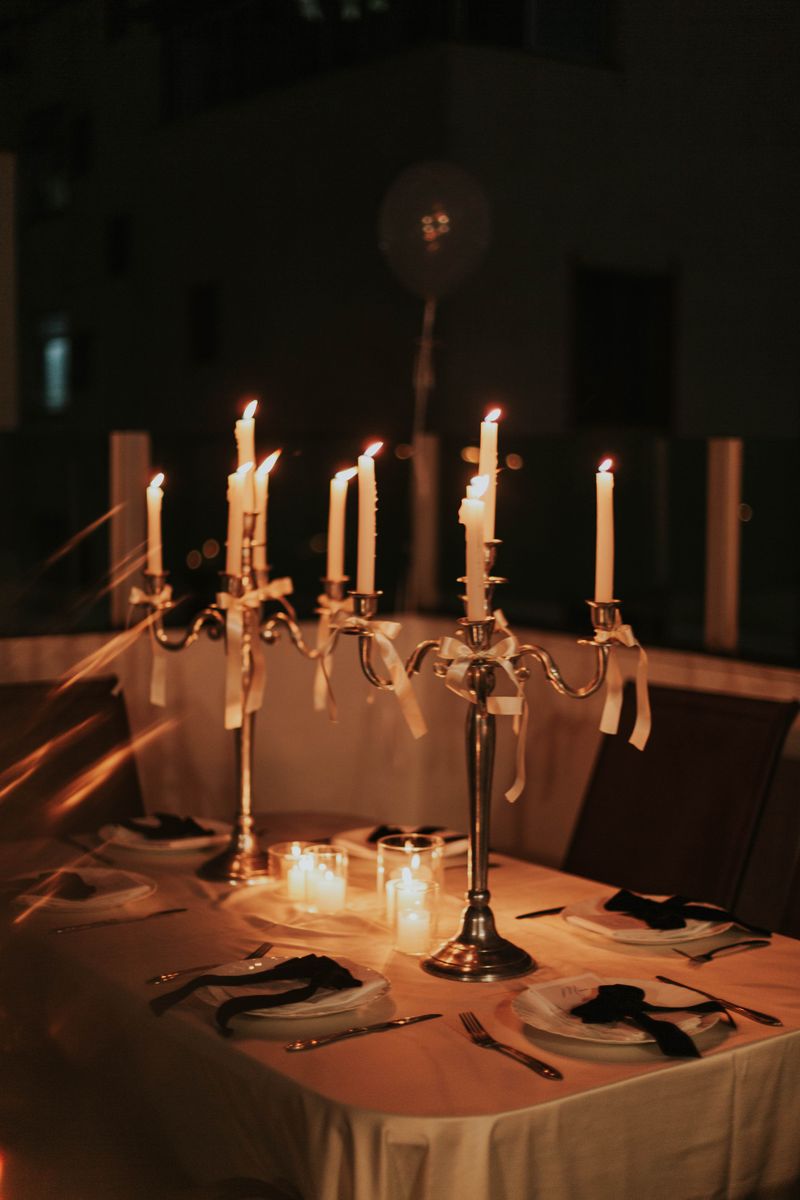
Lighting is Everything: The single most effective decor element for a murder mystery is candlelight. Turn off all overhead lights and fill the space with candles of varying heights. Tapers in wine bottles, pillars on elegant disposable plates used as bases, and tea lights in glass jars create pools of warm light that immediately signal "mystery." If you are using real candles, ensure they are placed safely away from flammable materials. Battery candles are a perfectly good substitute and eliminate fire risk entirely.
Beyond candles, consider colored lighting for specific themes. A red bulb in a lamp signals danger or a 1920s jazz club. A blue filter on a spotlight creates a cold, noir atmosphere. Even one colored light source, layered with warm candlelight, changes the entire feel of the room.
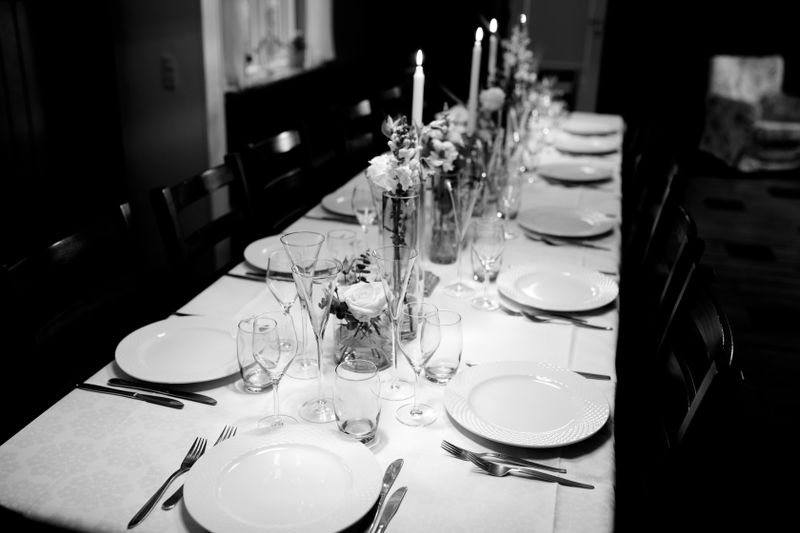
Table Setting: Your dining table is the stage. Cover it with a dark tablecloth (black, deep burgundy, or navy). Use party decorations like scattered rose petals, vintage keys, or magnifying glasses as centerpieces. Place a typed place card at each setting with the guest's character name, not their real name. This small touch immediately helps everyone slip into character. Set out small envelopes at each place containing the first round of clues, to be opened at the appropriate moment in the game.
Props and Atmosphere: Scatter prop items around the room that connect to the mystery. If the story involves a stolen painting, hang an empty frame on the wall. If there is a poisoned drink, set out a suspicious-colored bottle. Print out old newspaper clippings, letters, or telegrams on aged paper (use tea-stained printer paper) and leave them around the room for guests to discover. These environmental details reward curious guests and give the party a layered, immersive quality.
Food and Drinks: A Suspicious Spread
The menu for a murder mystery party needs to serve two masters: it must be delicious and manageable for the host (who is also running the game), and it should enhance the atmosphere without distracting from the mystery. The key is to choose food that can be prepared ahead, served family-style or buffet-style, and eaten with minimal fuss so guests can continue talking and scheming.
The Main Course: A buffet is ideal because it lets the host focus on the game rather than plating. For a classic mystery theme, serve a hearty main like braised short ribs, roast chicken, or a vegetarian pasta bake, all of which can be prepared hours ahead and simply reheated. Present the food on your party tableware with labels that use character names: "Lady Ashbury's Roast Chicken" or "The Butler's Secret Recipe Pasta." These small thematic touches make the meal part of the story.
Appetizers: Serve easy-to-eat finger foods during the cocktail and character introduction phase. Stuffed mushrooms, bruschetta, cheese boards with crackers, and stuffed dates are all excellent. The important thing is that guests can hold a drink in one hand and a small plate in the other while they mingle and deliver their character introductions.
The Signature Cocktail: Create a themed cocktail that ties into the mystery. A "Poisoner's Punch" (dark rum, pomegranate juice, lime, and ginger beer served in a black-rimmed glass), a "Detective's Old Fashioned" (classic with a twist of orange), or a "Corpse Reviver" (a real Prohibition-era cocktail with gin, Cointreau, Lillet, and lemon) all add atmosphere. For non-drinkers, a "Suspicious Punch" with cranberry juice, ginger ale, and frozen berries is equally festive. Set up the bar on a side table so guests can serve themselves between rounds.
Dessert: A themed dessert is the perfect punctuation for the evening. A chocolate "poison apple" cake, cupcakes decorated with magnifying glasses, or a simple dark chocolate tart served with a "evidence" label all work. If the mystery involves a specific clue related to food (a poisoned dish, a hidden message in a cake), coordinate with your kit's plot to serve the relevant item at the right dramatic moment.
Character Assignments and Costumes
Characters are the engine of a murder mystery party. When every guest has a role with a backstory, secrets, and objectives, the mystery comes alive. Here is how to manage character assignments to maximize engagement.
Assignment Process: Send character booklets to guests at least one week before the party. This gives everyone time to read their background, understand their secrets, and plan a simple costume. The booklet should include the character's name, profession, relationship to the victim (or other characters), what they know, what they are hiding, and their objectives for the evening. Emphasize that guests should not share their character information with each other before the party, the surprises are part of the fun.
Costume Guidance: Costumes do not need to be elaborate to be effective. For a 1920s theme, suggest a flapper dress or a suit with a fedora. For a Victorian theme, suggest dark clothing, a shawl, or a waistcoat. Send a simple costume guide with each character assignment: three or four suggested items that can be found in a typical wardrobe or purchased inexpensively. The goal is participation, not theatrical perfection. Guests who show up in even a minimal costume are more invested in playing their character than those who arrive in street clothes.
Character Name Tags: Provide name tags at the door with each character's name in a font that matches the era. This helps guests remember each other's character names (not their real names) throughout the evening. For a 1920s party, use Art Deco-style tags. For a Victorian party, use calligraphy-style tags on aged paper.
Managing Reluctant Role-Players: Not every guest will be comfortable with full character immersion. That is fine. Assign these guests characters who are observers, witnesses, or investigators, roles that require less active scheming and more reactive participation. Everyone can enjoy the mystery at their own comfort level. The key is that no one feels pressured to perform.
Running the Game: Timeline and Flow
A well-run murder mystery party has a clear rhythm: arrivals, introductions, rounds of clues, a dramatic revelation, and a satisfying conclusion. Here is a tested timeline for a standard kit-based mystery lasting about three hours.
Phase 1, Arrival and Cocktails (30 minutes): Guests arrive, find their name tags and place cards, and mingle in character. Serve cocktails and appetizers. The host circulates, welcoming guests and gently prompting character interactions. No clues are revealed yet, this phase is about settling in and establishing the social dynamics.
Phase 2, The Incident (10 minutes): The host calls everyone to attention and delivers the inciting incident. In most kits, this is the discovery of the victim (who may be a guest who "dies" at the start or a character who is already dead when the party begins). Read the introduction aloud or play a pre-recorded audio clip for dramatic effect. Distribute Round 1 clue envelopes.
Phase 3, Dinner and Investigation (45 minutes): Guests sit for dinner and begin discussing the clues they have received. Each character has information they can share and information they must keep secret. The host moves between courses, allowing natural conversation to drive the investigation. After the main course, distribute Round 2 clues, which reveal new information and may change suspects' alibis.
Phase 4, Accusations and Revelations (30 minutes): Dessert is served. The host announces that each guest has one opportunity to make an accusation: who they believe is the murderer and why. Guests take turns presenting their theories, often with surprising logic and entertaining leaps of imagination. After all accusations are heard, the host reveals the solution, reading or performing the final revelation.
Phase 5, Debrief and Social (15 minutes): The mystery is solved, but the energy is still high. Guests drop character, discuss what they knew and when, laugh about red herrings and missed clues, and enjoy the remaining food and drink. This is often the most fun part of the evening, when everyone can compare notes freely.
Throughout the game, the host's primary role is timekeeping and clue distribution. If conversation stalls, the host can introduce a new clue or prompt a specific character to share information. If the group is moving too fast and solving the mystery before the final round, the host can withhold clues or introduce a complication. Flexibility is key.
Theme Variations: From 1920s to Modern Day
One of the great things about murder mystery parties is that the format adapts to almost any setting. Here are theme variations that help you match the mystery to your group's interests and the occasion.
1920s Speakeasy: The classic murder mystery setting. Guests dress as flappers, gangsters, jazz musicians, and socialites. The setting is an illegal speakeasy during Prohibition. Decor includes Art Deco patterns, feather boas, vintage cocktail glasses, and jazz music. This theme is ideal for New Year's Eve, birthdays, or any celebration where glamor is part of the fun.
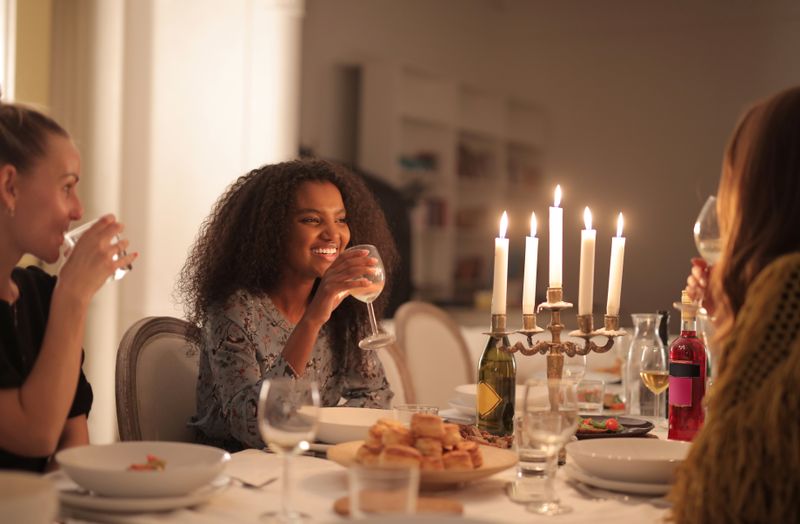
Victorian Manor House: The Agatha Christie setting. Guests are aristocrats, servants, detectives, and visitors at a country estate in the 1890s. Decor features dark wood, silver candelabra, oil paintings (print reproductions), and a formal multi-course dinner. This theme suits groups that enjoy historical fiction and a more formal, slow-paced game. It is particularly popular for autumn and winter parties.
Hollywood Premiere, 1950s: Guests are movie stars, directors, producers, and journalists at a film premiere where someone is murdered. Decor includes a red carpet (or red table runner), gold star cutouts, movie posters, and champagne. This theme is celebratory and works well for milestone birthdays or awards-season parties.
Modern Tech Startup: A contemporary setting where the CEO of a hot startup is found dead. Guests are investors, developers, influencers, and rival founders. This theme is great for office parties, younger groups, or anyone who lives in the tech world. Decor is sleek and modern: white tableware, minimalist centerpieces, and a playlist of current music.
Cruise Ship Mystery: Guests are passengers on a luxury cruise where a murder occurs at sea. This theme works beautifully for summer parties or poolside gatherings. Decor can include nautical elements, tropical flowers, and a seafood menu. The "trapped on a ship" premise creates natural tension because no one can leave.
Practical Planning: Budget, Timeline, and Checklist
A murder mystery party requires more advance planning than a typical dinner party, but the payoff is an evening your guests will talk about for months. Here is a realistic guide.
Three weeks before: Choose and purchase your mystery kit (or begin writing your custom mystery). Confirm your guest list, ensuring you have the right number of players for the kit (most accommodate 6 to 20). Send character assignments with costume suggestions.
Two weeks before: Plan your menu around the theme. Order any specialty ingredients, themed cocktails ingredients, or decor items. Print all game materials: character booklets (if you want physical copies as backup), clue envelopes, place cards, and prop documents.
One week before: Do your grocery shopping for non-perishables. Test your playlist. Assemble clue envelopes in the correct order, labeled by round. Prepare any DIY decor elements like aged documents or themed centerpieces.
Two days before: Set up the dining table with linens, candles, place cards, and prop decorations. Prepare any dishes that can be made ahead and refrigerated. Clean the party area thoroughly. Set up the bar with glasses, ice, and ingredients.
Day of: Light candles thirty minutes before guests arrive. Set out appetizers and open the bar. Place character name tags at the door. Review your host guide one final time to make sure you know the sequence of clue rounds and the solution. Take a deep breath. You are about to host one of the most memorable dinner parties your guests will ever attend.
Budget guide (for 10 guests): Mystery kit: $25 to $50. Food and drink: $100 to $200. Decor (candles, table linens, props): $30 to $60. Printing and supplies: $10 to $20. Goodie bags with small themed favors: $20 to $40. Total: $185 to $370, or about $19 to $37 per person. For a full evening of entertainment that includes dinner, drinks, and a structured game, this is exceptional value.
FAQ: Your Murder Mystery Party Questions Answered
What if a guest cancels at the last minute? Most kits are designed for a specific number of players, so a cancellation can be tricky. If you have a spare guest who can step in, assign them the character. If not, the host can play that character in addition to hosting, or the kit may include instructions for consolidating characters. Check your kit's guide for "missing player" contingencies before the party.
Can I host a murder mystery party for children or teens? Yes. Many companies sell age-appropriate mysteries for children as young as eight. These mysteries are lighter, with no actual murder, instead the mystery might involve a stolen treasure or a missing pet. For teens, you can use standard kits but screen for content. The format works beautifully for birthday parties because it gives every child a role and a purpose.
Do guests need to read a lot of material beforehand? It depends on the kit. Some require guests to read a 2 to 3 page character booklet before the party, while others provide all information at the event. If you are concerned about preparation, choose a kit that provides character information at the door. Alternatively, send booklets a week ahead and gently remind guests to read them.
What if my guests are not good at acting? A murder mystery party does not require acting ability. The character booklet tells guests what to say, what to reveal, and what to hide. They just need to read and converse naturally. The mystery itself provides the drama. Even the most reserved guests usually get into it by the second round, when the clues start revealing surprising connections between characters.
Can I combine a murder mystery with another celebration? Absolutely. Murder mystery parties are excellent for birthdays (the victim or the murderer can be the birthday person), Halloween (use a horror-themed mystery), New Year's Eve (a 1920s speakeasy mystery), or even corporate team-building events. The format is endlessly adaptable, which is why it has remained popular for decades.
The Final Clue: Your Party Awaits
A murder mystery party is one of the rare entertainment formats that genuinely offers something for everyone. The analytical guests love piecing together clues. The social butterflies love the character interactions. The food lovers enjoy the themed menu. And the host gets the satisfaction of watching their friends transform into characters, scheme against each other, and laugh together when the truth is finally revealed. No other party format creates memories quite like the evening when your mild-mannered accountant friend was secretly a 1920s bootlegger with a taste for revenge.
As you plan your mystery evening, remember that the most important ingredient is not the complexity of the plot or the elaborateness of the decor. It is the willingness of your guests to play along, to commit to their characters, and to enjoy the absurdity of accusing their best friend of murder over a plate of roast chicken. When you create the right atmosphere, that willingness comes naturally. Your guests will surprise you with their creativity, their deductive reasoning, and their capacity for theatrical accusations.
When you are ready to stock up on supplies for your mystery evening, explore our complete party tableware collection for elegant plates, cups, and napkins. For atmospheric decor, browse our party decoration selection, and do not forget goodie bags for your guests' character-themed party favors. The game is afoot.