


Uruguay Independence Day Party Ideas 2026: How to Celebrate August 25 in Style

Why Host a Uruguay Independence Day Party?
August 25 marks Uruguay's Independence Day — Día de la Independencia — commemorating the country's 1825 declaration of independence from Brazil. For Uruguayans and those with ties to this small but culturally rich South American nation, it's a day filled with parades, asados, folk music, and an unmistakable sense of national pride. Hosting a Uruguay Independence Day party is a chance to introduce guests to one of South America's most underrated culinary and cultural traditions while celebrating freedom and community. Whether you have Uruguayan heritage, want to honor friends from the region, or simply love an excuse to fire up the grill and pour some Tannat, this guide walks you through every detail.
Invitations That Set the Tone
Your invitation is the first taste of the celebration, so lean into the theme. A digital invite with the Uruguayan flag colors — sky blue background, white text, and a golden Sun of May graphic — instantly signals what kind of party this is. If you're feeling creative, design the invitation to look like a vintage travel poster for Montevideo or Punta del Este, with a cheeky tagline like "Come for the Tannat, stay for the asado." Include a note about the dress code: blue and white encouraged, and comfortable shoes for dancing to candombe. For physical invitations, a simple card with a small mate tea bag attached makes a memorable and inexpensive touch — guests will get the hint before they even read the details.
Setting the Scene: Uruguay-Inspired Decor
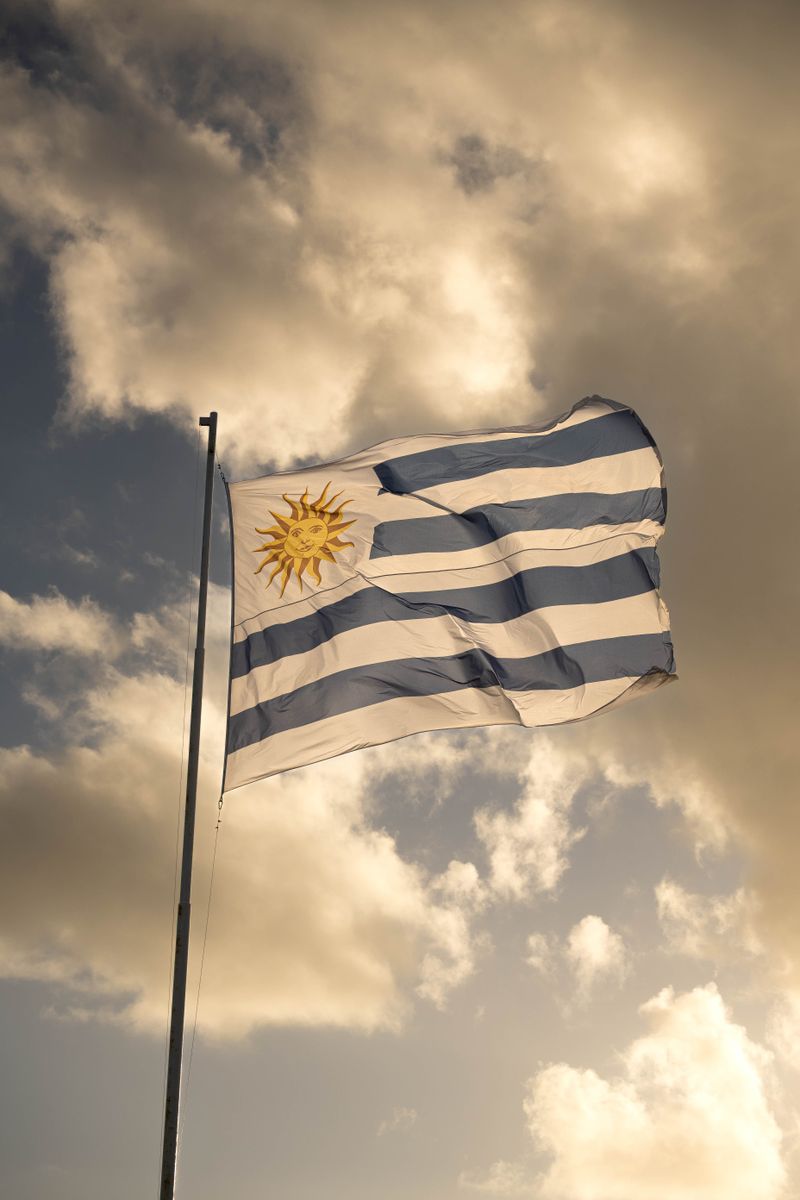
Uruguay's flag is a natural starting point for your decor palette. The flag features nine alternating blue and white stripes with a golden Sun of May in the upper left corner — a symbol shared with Argentina, referencing the May Revolution of 1810. Your color scheme should lean heavily on sky blue (celeste), white, and gold accents.
Drape blue and white bunting across fences, porch railings, or along the main party table. If you're hosting outdoors, string white fairy lights through tree branches to create a warm, inviting glow as the sun sets. For table settings, use white tablecloths with blue cloth napkins, and scatter small gold candle holders or tea lights as centerpieces. If you want to go the extra mile, print out small Uruguayan flags on card stock and use them as place cards — each guest gets their own tiny bandera.
For a more rustic, authentic feel, incorporate elements that nod to Uruguay's gaucho (cowboy) culture: leather accents, mate gourds as small vases for wildflowers, and wooden serving boards. A few potted ferns or eucalyptus branches add a fresh, natural touch. You can find blue and white party supplies — plates, cups, napkins — in our National Flag Party Supplies collection, which has everything you need to build a cohesive look without hunting across multiple stores.
The Heart of the Party: An Authentic Uruguayan Asado
No Uruguayan celebration is complete without an asado — the traditional barbecue that's less a cooking method and more a social ritual. In Uruguay, asado is practically a national religion, and the country consistently ranks among the world's highest per-capita beef consumers. If you're going to nail one element of this party, make it the food.
Here's what a proper asado setup looks like: You'll need a grill (charcoal or wood-fired is traditional, but gas works in a pinch), a variety of meats, and patience. The classic cuts include asado de tira (beef short ribs), vacío (flank steak), chorizo (sausage), morcilla (blood sausage — optional for the adventurous), and mollejas (sweetbreads). Season simply with coarse salt — Uruguayans believe great beef needs nothing more. Cook slowly over medium-low heat; an asado can take two to three hours from first ember to final slice, and that slow pace is exactly the point.
Alongside the grilled meats, serve chimichurri — a bright, herby sauce made from parsley, oregano, garlic, olive oil, red wine vinegar, and red pepper flakes. It takes five minutes to make and transforms every bite. On the side, offer ensalada rusa (Russian salad — potatoes, peas, carrots, and mayo), grilled provolone cheese (provoleta), and plenty of crusty bread. For a simpler approach, a DIY asado bar works beautifully: grill several cuts, slice them on a large wooden board, and let guests build their own plates with chimichurri, salsa criolla, and fresh bread.
Drinks: Tannat, Medio y Medio, and Mate
Uruguay's signature red wine is Tannat — a bold, tannic grape originally from southwest France that found its spiritual home in Uruguayan soil. It pairs perfectly with grilled beef, cutting through the richness with its firm structure. Look for bottles from Bodega Garzón, Pisano, or Juanicó at your local wine shop. If you can't find Uruguayan Tannat, a Madiran from France (same grape) or a robust Cabernet Sauvignon makes a reasonable stand-in.
For a refreshing mixed drink, serve medio y medio — literally "half and half" — a cocktail that combines dry white wine (or sometimes sparkling wine) with dry vermouth, served over ice with a lemon twist. It's light, slightly herbal, and dangerously drinkable on a warm August afternoon. If you're looking for a non-alcoholic option, offer still or sparkling water with fresh lemon and mint, which is ubiquitous at Uruguayan gatherings.
And then there's mate. Set up a mate station with a traditional gourd, a metal bombilla (straw), a thermos of hot (not boiling) water, and a bag of yerba mate. This is as much a conversation piece as a beverage — sharing mate is a ritual of friendship in Uruguay, and guests who've never tried it will be curious. Just make sure to explain the etiquette: the cebador (server) drinks the first pour (it's the bitterest), then refills and passes it clockwise. Each person drinks the entire gourdful before returning it.
Music and Entertainment: Candombe, Murga, and Tango
Music is the soul of any Uruguayan celebration. Build a playlist that spans the country's rich musical traditions:
- Candombe: Rooted in Uruguay's Afro-Uruguayan community, candombe is driven by the hypnotic rhythm of three drums — piano, repique, and chico. It's the sound of Montevideo's carnival and the streets of Barrio Sur. Tracks by Jaime Roos, Ruben Rada, or Lágrima Ríos are essential.
- Murga: A theatrical musical style performed during carnival, murga combines close-harmony singing, comedy, and biting social commentary. Groups like Agarrate Catalina and La Trasnochada bring incredible energy.
- Tango: While Argentina gets the global spotlight, tango was born on both sides of the Río de la Plata, and Uruguay produced legends like Carlos Gardel (claimed by both countries) and Julio Sosa. Add some classic tangos for a sultry evening atmosphere.
- Modern Uruguayan artists: Mix in contemporary voices like No Te Va Gustar (rock), Jorge Drexler (folk-pop, Oscar-winning), and Natalia Oreiro for variety.
For activities, teach guests a simple candombe rhythm with hand drums or improvised percussion (pots, wooden spoons, whatever's handy). If you have a partner, demonstrate a basic tango step — even a clumsy attempt gets people laughing. You could also run a short trivia game about Uruguay: questions about its capital (Montevideo), its World Cup history (1930 and 1950 champions), and the meaning of the Sun of May make for easy, engaging rounds.

Desserts and Sweet Endings
Dulce de leche is the thread that runs through Uruguayan dessert culture. It's richer and darker than the versions found elsewhere — cooked longer until it reaches a deep caramel color and almost smoky sweetness. Serve it simply with sliced bananas and a sprinkle of sea salt, or use it as a filling for alfajores: two crumbly cornstarch cookies sandwiched with dulce de leche and rolled in shredded coconut.
Another classic is postre chajá, a layered dessert of sponge cake, whipped cream, meringue, and peaches — it originated in the city of Paysandú and is named after a local bird. It looks dramatic in a trifle dish and can be assembled ahead of time. For something simpler, flan con dulce de leche (caramel flan topped with more dulce de leche) is always a crowd-pleaser. If baking isn't your thing, a dessert table with store-bought alfajores, medialunas (small croissants), and a big bowl of dulce de leche for dipping covers all your bases.
Embracing Gaucho Culture: Beyond the Grill
The gaucho — Uruguay's version of the cowboy — is woven into the national identity. The gaucho is celebrated not just as a folk hero but as a symbol of independence, self-reliance, and connection to the land. You can weave this into your party in several ways that go deeper than the asado.
Set up a small display or photo corner with gaucho-inspired elements: a leather rebenque (riding crop), a traditional facón knife (display only, not for use), a boina (beret), and a framed print of a Juan Manuel Blanes painting — the 19th-century Uruguayan artist who captured gaucho life with documentary precision. If any guests play guitar, ask them to learn a simple milonga or chamarrita — traditional gaucho folk songs that sound beautiful around a fire. You don't need to transform your backyard into a museum; even two or three thoughtful touches signal that this party has more depth than just flags and grilled meat.
For an interactive element, set up a mate-tasting flight. Offer three different yerba mate varieties — one traditional Argentine-style with stems, one Uruguayan-style (sin palo, or destemmed, which is stronger and more finely cut), and one flavored with herbs like mint or citrus peel. Let guests sample each and vote on their favorite. It's a low-effort activity that gets people talking and introduces them to a daily ritual that defines social life across Uruguay.
Practical Planning: Budget, Timeline, and Checklist
Hosting an Independence Day party doesn't require a massive budget. Here's a realistic breakdown for 15-20 guests:
- Meat for asado: $80-120 (beef short ribs, flank steak, chorizo, chicken thighs as a budget-friendly add)
- Sides and sauces: $25-40 (chimichurri ingredients, bread, potatoes for salad, provolone)
- Drinks: $50-80 (two bottles of Tannat, vermouth and white wine for medio y medio, yerba mate, soft drinks)
- Decor: $30-50 (blue and white tableware, bunting, candles — check our Patriotic Party Supplies for coordinated sets)
- Desserts: $15-25 (dulce de leche, alfajor ingredients or store-bought)
- Total: Roughly $200-315, or about $13-20 per guest
Timeline — One Week Out:
- Confirm guest list and send invitations (digital is fine — just make them blue and white).
- Order any specialty items: yerba mate, Uruguayan Tannat, alfajores if buying online.
- Buy or borrow a grill if you don't own one. Clean the grates thoroughly.
Two Days Out:
- Buy meat from a butcher. Ask for asado-style cuts — a good butcher will know what you're after.
- Prepare chimichurri (it actually improves after a day in the fridge).
- Make any desserts that hold well: alfajores, flan.
Day Of:
- Morning: Set up tables, chairs, and decorations. Hang bunting and string lights.
- Early afternoon: Light the charcoal — give yourself at least 45 minutes for the coals to reach the right temperature (white-hot, no open flames).
- Two hours before guests arrive: Start grilling larger cuts. Chorizo and morcilla go on last since they cook quickly.
- 30 minutes before: Arrange side dishes, set up the drink station, cue the playlist.
- Guest arrival: Hand everyone a glass of medio y medio or a cup of mate and point them toward the grill.
Making It Kid-Friendly
If children are attending, an asado-centered party can still work well. Set aside a section of the grill for hot dogs or simple chicken skewers for pickier eaters. Prepare a "make your own alfajor" station with pre-baked cookies, dulce de leche, coconut flakes, and chocolate drizzle — it doubles as an activity and dessert. For entertainment, organize a simple treasure hunt with blue and white clues, or teach kids the basic steps of candombe using small percussion instruments. A piñata shaped like a sun (inspired by the Sun of May) ties the craft activity back to the theme.
Frequently Asked Questions
Do I need to be Uruguayan to host this party?
Absolutely not. This party is about celebrating a culture, its food, and its traditions. Uruguayans are famously warm and welcoming, and sharing their national day with friends from any background is entirely in that spirit.
What if I can't find Uruguayan Tannat?
A Madiran from France uses the same grape and has a similar bold, tannic profile. Alternatively, any full-bodied red like Malbec or Cabernet Sauvignon works alongside grilled beef. Don't overthink it — the point is good wine with good food.
What if I don't have a grill?
You can approximate an asado indoors with a cast-iron grill pan or broiler. Sear steaks on high heat and finish them in the oven. It won't have the smoke, but the chimichurri and sides will carry the flavor. Alternatively, partner with a local Argentine or Uruguayan restaurant for catering — many offer asado packages.
Is mate safe for everyone?
Yerba mate contains caffeine, comparable to coffee. It's generally safe for most adults in moderation. Pregnant guests, children, and those sensitive to caffeine should be offered alternatives. As with any shared drinking vessel, hygiene matters — provide individual cups if preferred, though the shared gourd is the traditional (and social) method.
What's a good rain plan?
Move the grill under a covered porch or garage (with ventilation). The food still works indoors — just shift the focus from the asado ritual to the sit-down meal. Candombe drumming works even better in a cozy living room.
How many guests is ideal for an asado?
An asado scales well. For 6-8 people, a small charcoal grill and three cuts of meat (short ribs, flank steak, chorizo) are plenty. For 15-20, you'll want a larger grill surface and more variety — add chicken and provoleta to stretch the options. Beyond 25 guests, consider enlisting a friend to help manage the grill, because one person can't tend that much meat and still enjoy the party. The asador (grill master) is a role of honor in Uruguay, so don't be shy about sharing the title.
Are there any specific traditions I should know about?
A few worth noting: In Uruguay, Independence Day is not a single-day affair — celebrations often stretch across the entire week leading up to August 25, especially in schools and community centers. The official ceremony takes place at the Palacio Legislativo in Montevideo, with a military parade and the president's address. At a private party level, it's common to toast with sparkling wine (espumante) at midnight on August 24, welcoming the holiday as it arrives. You can adopt this tradition easily — a midnight toast with whatever bubbles you have on hand adds a moment of ceremony without much effort.
A Uruguay Independence Day party is a celebration of community, patience, and ridiculously good food. Whether you're firing up the grill for the first time or the hundredth, the combination of Tannat, chimichurri, and the slow rhythm of an asado creates an atmosphere no other party theme quite matches. Stock up on blue and white tableware from our National Flag Party Supplies collection and start planning — August 25 will be here before you know it.