


Diwali 2026 Party Ideas: The Ultimate Guide to a Bright, Beautiful Celebration

Diwali, the Hindu festival of lights, will be celebrated on Sunday, November 8, 2026, with the full five-day season running from Friday, November 6 to Tuesday, November 10. It is one of the most widely observed festivals in the world, celebrated by more than a billion Hindus, Sikhs, Jains, and people across South Asia and the global diaspora. Whether you grew up lighting diyas every year or you are hosting your first Diwali gathering for friends, this guide will help you plan a party that honors the festival's meaning, fills your home with light, and welcomes guests with sweets, color, and warmth.
What Diwali Means and Why It Matters
Diwali gets its name from the Sanskrit word Deepavali, meaning "row of lights." The festival celebrates the triumph of light over darkness, knowledge over ignorance, and good over evil. The date moves each year because it follows the Hindu lunar calendar; in 2026 it falls on the new moon of Kartik, the darkest night of the lunar month, which is exactly why lighting lamps is so central to the celebration.
Different traditions emphasize different stories. For many Hindus, Diwali marks Lord Rama's return to Ayodhya after fourteen years of exile, when the people lit oil lamps to guide him home. In other regions, it honors Goddess Lakshmi, the deity of wealth and prosperity, who is believed to visit homes that are clean, bright, and welcoming. For Sikhs, the festival coincides with Bandi Chhor Divas, commemorating Guru Hargobind's release from imprisonment. For Jains, it marks the anniversary of Lord Mahavira attaining nirvana. What unites all of these meanings is the symbolism of light dispelling darkness.
A respectful Diwali party does not require adherence to every ritual. It does require sincerity. Focus on the universal themes of light, cleanliness, generosity, family, and hospitality, and avoid reducing the festival to a generic "lights and curry" theme. If you are not from the culture, learn a few basics, ask questions with humility, and let guests who observe Diwali share their own family customs.
Decor: Light, Color, and a Clean Welcome
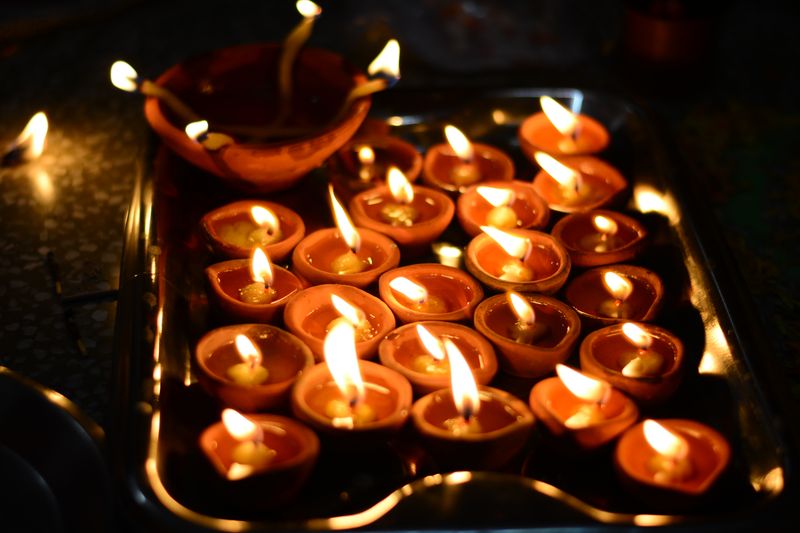
The first rule of Diwali decor is to clean before you decorate. In Hindu tradition, Lakshmi is said to enter only clean and well-lit homes. Give your party space a thorough cleaning a day or two before guests arrive. Then layer in light. The most authentic light source is the diya, a small clay lamp filled with oil or ghee and a cotton wick. Arrange rows of diyas along windowsills, doorways, mantels, and steps. If open flames are not practical, use LED tea lights or battery-operated diyas, which look beautiful and are safer around children and fabrics.
Color comes next. Marigold garlands, fresh flowers, and bright fabrics in red, gold, orange, pink, and purple set a festive tone. Many hosts create a rangoli, a decorative pattern made on the floor or at the entrance using colored powder, flower petals, rice, or chalk. Rangoli designs can be simple geometric shapes or elaborate peacocks and lotus flowers. If you are a beginner, use stencils or draw a design on paper first. Place the rangoli at the main entrance or in front of the food table.
Your dining setup will look best with warm-toned party tableware in gold, red, or cream. Brass or copper-colored serving dishes add a traditional feel without the expense of real metal. For the entrance, place a small table with a lit lamp, a bowl of floating flowers, and a sign welcoming guests in Hindi or English. Avoid using sacred images or deities purely as decoration; if you include a small shrine or image of Lakshmi and Ganesha, keep it elevated and treated with respect rather than buried among party props.
Food and Drinks: A Feast of Sweets and Savories
Diwali food centers on sweets, known as mithai, which are exchanged with family, friends, and neighbors throughout the festival. A good Diwali party menu balances rich sweets with savory snacks so guests do not feel overwhelmed by sugar. Start with finger foods like samosas, pakoras, dhokla, and chaat. These can be made ahead or purchased from a good Indian grocery or restaurant.
For the main meal, serve a vegetarian spread if possible, because many families observe a vegetarian diet during Diwali. Popular dishes include dal makhani, paneer tikka masala, chana masala, aloo gobi, vegetable biryani, and assorted breads such as naan, roti, and poori. Set out a variety of chutneys, pickles, and raita so guests can customize their plates. Label dishes clearly for guests with dietary restrictions.
The dessert table is the heart of the celebration. Offer a mix of traditional and accessible sweets: gulab jamun, jalebi, barfi, ladoo, kaju katli, rasmalai, and halwa. You can also include a modern twist, such as cardamom-spiced brownies or saffron rice pudding. Serve small portions so guests can sample many things. For drinks, offer chai, mango lassi, rose lemonade, and a festive pomegranate spritzer. If alcohol is appropriate for your guest list, keep it optional and clearly separated from the food table.
Activities and Games for the Whole Family
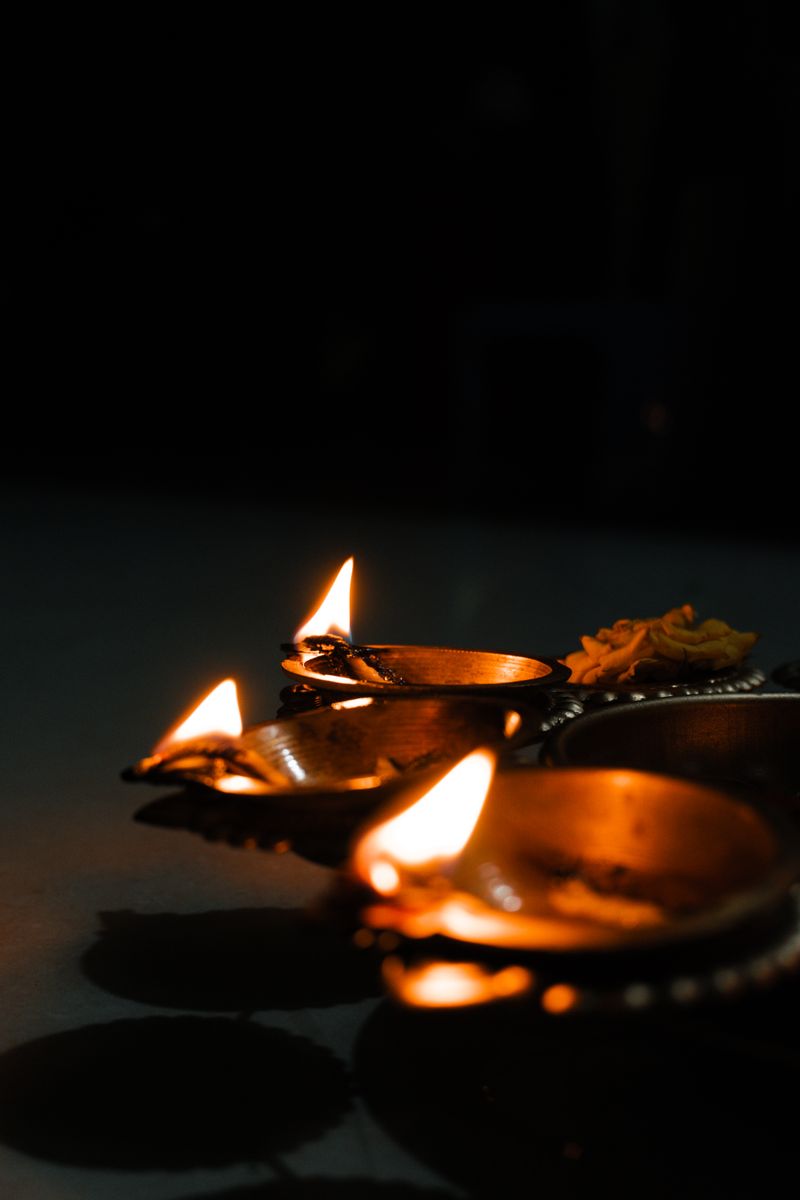
Diwali parties are often multi-generational, so plan activities that include everyone. A rangoli-making station is a natural choice. Provide colored powder, flower petals, stencils, and chalk on a protected surface, and let guests collaborate on a design. Children especially enjoy this, and the result becomes part of the decor. Diya painting is another hands-on activity: supply plain clay lamps, acrylic paints, and brushes, and let guests decorate their own lamp to take home.
For a quieter activity, host a storytelling circle about the significance of Diwali. Invite older guests or anyone comfortable sharing to tell the story of Rama and Sita, the legend of Lakshmi, or a personal Diwali memory. This is often the most meaningful part of the evening. For competitive guests, organize a fireworks-viewing contest, a card game table, or a simple trivia quiz about Diwali traditions around the world.
Fireworks are traditional in many communities, but they are not essential and can be disruptive or unsafe in residential areas. If you want the sparkle without the risk, use sparklers in a safe open space, or project a video of a Diwali fireworks display on a wall. For children's safety, keep all flames, candles, and sparklers supervised, and have a fire extinguisher or bucket of water nearby.
Music, Dress Code, and Guest Etiquette
Music should be upbeat and celebratory. Build a playlist that mixes traditional bhajans and devotional songs with Bollywood hits, bhangra, and contemporary Indian pop. During dinner, keep the volume moderate so conversation can flow. If you have musicians among your guests, invite them to play a short live set during the dessert hour.
Encourage guests to wear traditional or festive clothing. Women often wear sarees, lehengas, or anarkali suits in bright colors with gold jewelry. Men may wear kurtas with pajamas or a more formal sherwani. Guests who do not own traditional clothing can still participate by wearing jewel tones or gold accents. The goal is to feel festive, not to enforce a dress code.
Guest etiquette matters. Ask guests to remove shoes at the door if that is your household custom. Welcome them with a small lit diya or a tilak, a mark of blessing on the forehead, if appropriate for your tradition and with the guest's consent. Offer a drink and a sweet soon after arrival, because hospitality is central to Diwali. Avoid scheduling the party's main rituals or prayers at a time when guests are expected to arrive, so the spiritual moments feel intentional rather than performative.
Lakshmi Puja: Hosting a Simple Prayer Ceremony
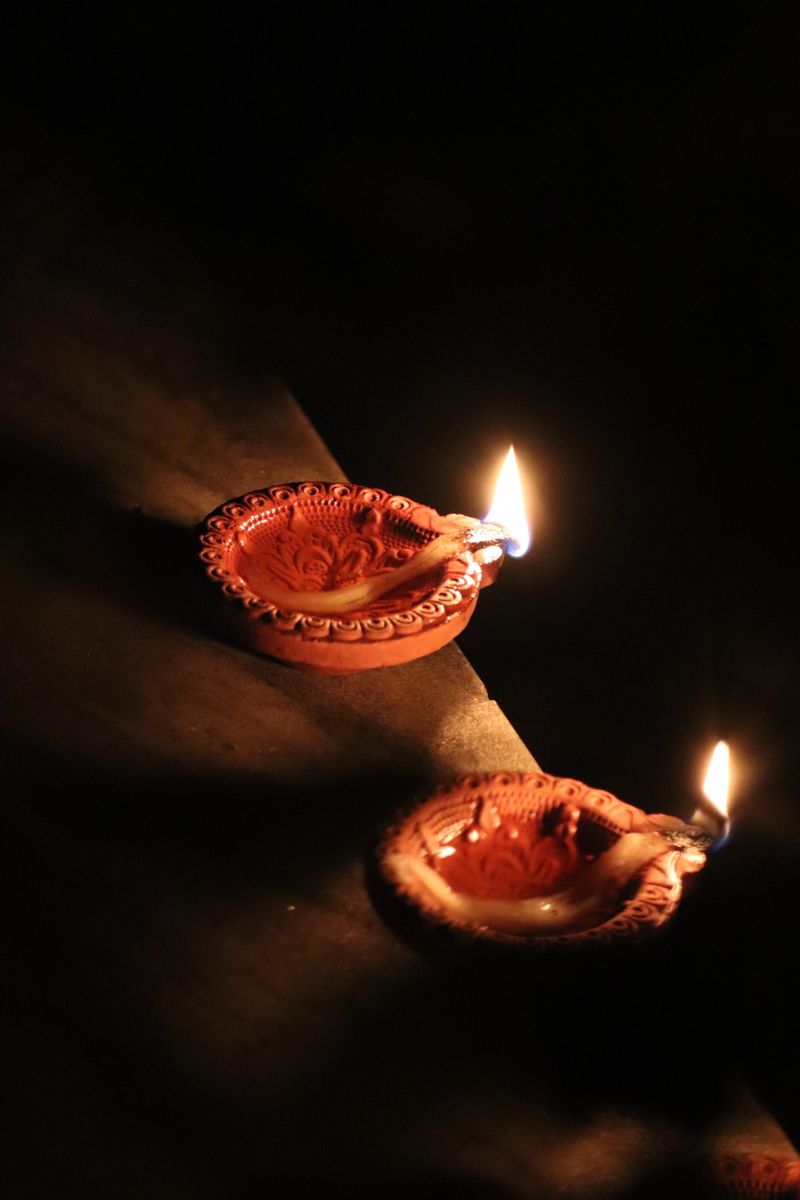
Many families perform Lakshmi Puja on the main evening of Diwali. If you plan to include a short prayer, do it before the meal begins. Set up a clean, elevated space with an image or statue of Goddess Lakshmi and Lord Ganesha, fresh flowers, lit diyas, incense, and offerings of sweets and fruit. The ceremony can be as simple as lighting the lamps, reciting a prayer or mantra, and offering gratitude for prosperity and health.
Invite guests to participate but do not pressure anyone. Non-Hindu guests can observe quietly or simply use the moment for personal reflection. Keep the ceremony brief, five to ten minutes, so it enhances the party rather than interrupting it. After the puja, distribute the blessed sweets as prasad, a sanctified offering shared with guests.
If you are unfamiliar with the specific rituals, consult a family member, priest, or reputable guide rather than guessing. A sincere and well-informed ceremony is always better than an elaborate but incorrect one. Explain the meaning of each step to guests so the ritual becomes an educational and bonding moment.
Budget-Friendly Diwali Hosting
Diwali does not have to be expensive. Use plain clay diyas, which are often sold in bulk at Indian grocery stores or online, and fill them with vegetable oil or ghee. Make rangoli with sidewalk chalk, colored rice, or flower petals collected from a garden. Use party plates and napkins in red, orange, or gold to carry the color theme without custom printing.
For food, make one or two main dishes from scratch and supplement with store-bought snacks and sweets. Samosas, pakoras, and many mithai are widely available frozen or fresh. A potluck-style Diwali party also works well if you ask guests to bring a dish that has meaning to their family. Music can be streamed from a free playlist, and LED candles replace expensive open-flame arrangements.
Regional Diwali Traditions to Explore
Diwali is celebrated differently across India and beyond. In North India, the focus is often on Rama's return and Lakshmi Puja. In West Bengal and parts of eastern India, the festival coincides with Kali Puja, honoring Goddess Kali. In South India, Deepavali commemorates Krishna's defeat of the demon Narakasura, and celebrations begin early in the morning with an oil bath. In Gujarat, the night is marked by gambling games and business account-closing rituals.
If your guests come from different regions, consider highlighting one or two regional customs. For example, you might serve a Bengali-style sweet like sandesh alongside North Indian ladoos, or play both Bollywood and Tamil film songs. This makes the party feel inclusive and acknowledges that Diwali is not a single monolithic tradition but a tapestry of celebrations united by light.
Party Timeline for a Diwali Evening
A typical Diwali party runs from late afternoon to late evening. Use this timeline as a guide:
Three days before: Deep clean the space, order sweets and snacks, confirm guest count, and shop for flowers, diyas, and decor.
One day before: Cook main dishes that keep well, prepare chutneys and raita, set up the rangoli base, and test your music and lighting.
Day of, 2:00 PM: Arrange furniture, set the dining table, place diyas in safe spots, and set up activity stations.
4:00 PM: Welcome early guests with chai and a small sweet. Let people mingle and admire the decor.
6:00 PM: Begin the main meal if you are eating early, or continue appetizers if eating later.
7:30 PM: Perform Lakshmi Puja if included. Light the main lamps and say a communal prayer or reflection.
8:00 PM: Serve dinner or transition to the dessert table. Encourage guests to try a variety of sweets.
9:30 PM: Move outside for sparklers, fireworks, or a group photo in front of the lights.
11:00 PM: Wind down with music and conversation. Send guests home with a small box of sweets.
Gift-Giving and Party Favors
Gifting is central to Diwali. Traditional gifts include boxes of sweets, dry fruits, chocolates, small silver coins, candles, and decorative items. For your party, prepare small takeaway boxes with a mix of mithai, a few almonds or cashews, and a decorative diya or candle. Attach a tag with "Happy Diwali" or "Shubh Deepavali."
If you want a more personalized favor, give guests a small potted plant such as a marigold or tulsi, which symbolize purity and prosperity. Another option is a handwritten note wishing them light and happiness in the year ahead. Whatever you choose, the favor should feel like a gesture of goodwill rather than a leftover party trinket.
Children's Diwali Activities
Children bring energy to any Diwali celebration, and giving them meaningful tasks helps them feel included. Set up a diya-decorating station with plain clay lamps, paint, glitter, and stickers. Let each child make one lamp to take home. Younger children can also help fill small bowls with flower petals or arrange tea lights under adult supervision.
A storytelling corner works well for mixed ages. Read a picture-book version of the Ramayana, or show a short animated video about why Diwali is celebrated. Follow up with a simple craft, such as making paper lanterns or drawing their own rangoli on paper plates. For active play, organize a "find the diyas" scavenger hunt with battery-operated lamps hidden around the room.
Keep safety in mind. Children should not handle lit flames, hot oil, or sparklers without close adult supervision. Use LED candles in areas where children will be playing, and place open flames on high surfaces out of reach. Provide smocks or old shirts for painting, and cover craft tables with disposable plastic cloths for easy cleanup.
Safety Tips for a Candlelit Party
Because Diwali is so centered on light, safety deserves extra attention. Never leave lit diyas or candles unattended. Place them on stable, heat-resistant surfaces away from curtains, paper decorations, and high-traffic areas. Keep a fire extinguisher, bucket of sand, or large container of water nearby, especially if using real flames outdoors.
If you use fireworks or sparklers, follow local laws and light them in a clear, open area. Keep children at a safe distance, and assign one sober adult to manage the display. Have a first-aid kit available. Better yet, use LED string lights and projected fireworks to create the atmosphere without the risk. Your guests will enjoy the glow just as much, and you will spend less time worrying.
FAQ
Is it okay for non-Hindus to host a Diwali party? Yes, as long as it is done respectfully. Focus on the universal themes of light, family, and hospitality, and avoid treating the festival as a costume party or exotic theme.
Do I have to serve a fully vegetarian menu? Many families prefer vegetarian food during Diwali, but your menu depends on your guests and customs. If you serve meat, keep it clearly labeled and offer plenty of vegetarian options.
Can I use LED candles instead of oil diyas? Absolutely. LED diyas are a safe and beautiful alternative, especially for families with young children or pets.
What should guests wear? Traditional Indian clothing is wonderful but not required. Encourage guests to wear bright, festive colors or formal attire. The goal is to feel celebratory.
How do I make a rangoli if I have never made one? Start with a simple geometric design or a flower shape. Use stencils, colored powders, flower petals, or even sidewalk chalk. Place it on a protected floor surface or on a large piece of cardboard.
Is alcohol appropriate at a Diwali party? This varies by family and region. If you choose to serve alcohol, do so thoughtfully and keep it separate from any religious observance. Many traditional Diwali gatherings are alcohol-free.
Final Thoughts: Celebrate the Light
Diwali is a festival that translates beautifully into a party because its core message is universal: light wins over darkness, and kindness wins over indifference. With thoughtful party tableware, glowing lamps, generous food, and warm hospitality, your gathering can honor the tradition while creating new memories. Whether your Diwali party is large or small, traditional or modern, the important thing is to welcome guests as though Lakshmi herself were arriving at your door: with a clean home, a bright light, and an open heart.