


Princess Party Ideas: The Ultimate Guide to a Magical Royal Celebration

Why a Princess Party Captures Kids' Hearts (and Parents' Attention)
There's something timeless about the princess party concept. Long before Disney made it a global brand, children were drawn to the idea of royalty — the sparkly tiara, the elegant dress, the castle backdrop, the sense that this particular day makes them the center of a magical world. For a party-supplies store, the princess theme is one of the highest-demand categories year-round, crossing age boundaries from toddler to tween. And for parents, it's one of the most fun themes to plan because the visual possibilities are virtually limitless.
This guide covers every dimension of planning a princess party: decor themes that range from classic fairytale to modern glam, food that's both kid-friendly and photogenic, games and activities that keep children engaged without exhausting them, budgeting and timeline frameworks, safety considerations for young guests, and adaptations for different age groups and settings. Whether you're hosting a backyard celebration for a four-year-old or a sophisticated royal-themed gathering for a ten-year-old, the principles here will help you create something genuinely special.
Princess Party Theme and Decor Ideas
The princess aesthetic sits at the intersection of elegance and fantasy. Here are five distinct theme directions with specific decor guidance.
The Classic Fairytale Castle
This is the default princess vision: pink and gold, turrets and banners, castle walls and royal thrones. Use castle wall backdrop panels (available as printed fabric or cardboard standees). Place a "royal throne" chair — even a decorated dining chair with a velvet cushion and a "Princess [Name]" banner — at the head of the table. Hang pennant banners in pink, gold, and white across the ceiling or along fences. Scatter gold confetti on tables. Use our princess party supplies collection for coordinating plates, napkins, and fork sets that match this palette perfectly — saving you from mismatched, pieced-together tableware.
The Enchanted Garden
Shift the princess theme from castle to forest glade — a "secret garden" vibe that feels magical without being saturated in pink. Use moss runners, real or faux flower garlands, butterfly accents, and vine-wrapped columns (made from wrapping paper tubes with greenery). Place flower crowns at each seat for guests to wear immediately. Pink and green become the palette, with touches of gold for royal flair. This theme works especially well for outdoor parties where natural greenery blends with your decor.
The Royal Ball (Dance Floor Theme)
For older princess-party guests (ages 7–10), a "Royal Ball" adds sophistication: a designated dance floor area with a mirror ball or starlight projector, velvet draped table settings, candelabra centerpieces (LED for safety), and formal place cards with each guest's "royal title" (Lady Sophia, Dame Emma, Baroness Lily). Use our pink paper plates collection as your base, layered with gold-rimmed dessert plates for a two-tier table setting that mimics a banquet hall.
The Frozen Ice Palace
The ice-princess variation swaps pink for icy blue, white, and silver. Use snowflake cutouts, crystal-like acrylic centerpieces, white fur throws on chairs, and blue-hued lighting. Hang icicle garlands from ceiling or tree branches. Serve "frozen" treats — blue-tinted punch, ice cream bars, snowflake-shaped cookies. Our princess party supplies include items that work for both warm and cool princess palettes, so you can mix and match within the same collection.
The Modern Glam Princess
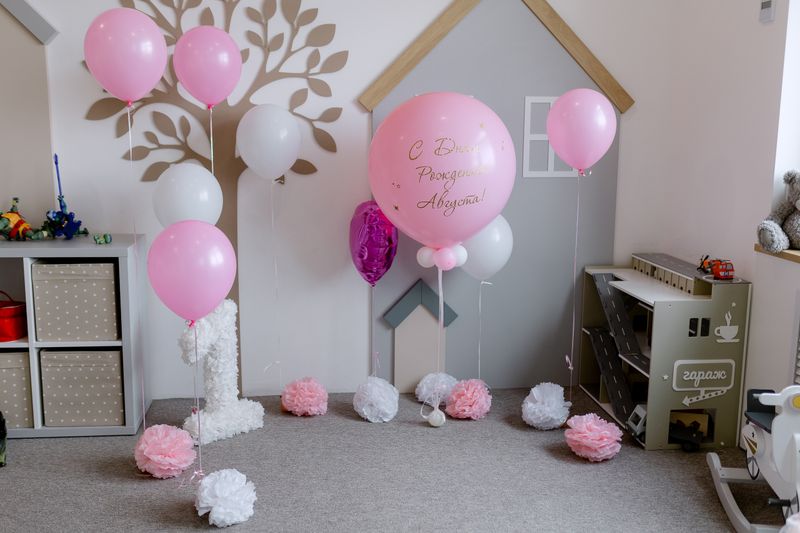
For the birthday girl who wants princess vibes without the cartoon castle, go modern: rose gold accents, acrylic signage, minimalist balloon arches in blush and cream, geometric "crown" centerpieces, and a sequin backdrop for photos. The aesthetic is princess-inspired but fashion-forward — it photographs like a lifestyle brand rather than a children's party. This theme ages up beautifully for 8–12 year olds who still love the princess concept but want it to feel "cool."

Princess Party Food and Drink
Princess party food needs to satisfy kids, impress parents, and look gorgeous in photos. Here's how to hit all three targets.
The Royal Feast Menu
"Royal Sandwiches" — cut standard sandwiches into crown, star, and heart shapes with cookie cutters. Fill with kid-safe options: cream cheese and cucumber, ham and mild cheese, or peanut butter and banana (check for allergies first). These are simple, fast, and instantly photogenic.
"Magic Wand Fruit Skewers" — thread strawberries, banana rounds, and melon stars onto sticks, with a star-shaped pineapple piece at the tip as the "wand point." The visual is princess-perfect, and fruit skewers are the most reliably eaten item at any kids' party.
"Castle Tower Veggie Platter" — arrange carrot sticks, cucumber rounds, and bell pepper strips into a tower shape on a rectangular tray, with a dip "moat" at the base. Kids who won't eat veggies from a bowl often eat them when they're part of a structure they can dismantle.
The Princess Dessert Experience
The cake is the centerpiece — and for a princess party, it should look like one. Three popular options:
- The Tower Cake: A multi-tier cake (even just two tiers makes the statement) with castle topper decorations, rosette piping, and a "Happy Birthday Princess" plaque. Pink and gold fondant with edible glitter creates the royal look.
- The Crown Cake: A single-tier round cake decorated with a painted or piped crown motif, surrounded by gold-dusted cupcakes that form a "jewel ring" around the main cake.
- The Cupcake Castle: Instead of one large cake, arrange cupcakes into a castle shape on a tiered stand. Each cupcake has a tiara or crown topper. This approach is easier to serve and reduces the "cake-cutting ceremony" stress.
Complement the cake with tiara-shaped cookies, jewel-like Jell-O cups in ruby red and amethyst purple, and pink cotton candy served in gold-trimmed cones.
Royal Beverages
Create a "Royal Punch" station: "Pink Potion" (strawberry lemonade with a splash of sparkling water, garnished with a strawberry on a gold pick), "Golden Elixir" (apple juice with a pinch of turmeric for golden color, served in gold-trimmed cups), and "Fairy Dust Water" (plain water with edible glitter stirred in — kids find this mesmerizing). Serve everything in cups that match your princess tableware for cohesive presentation.
Princess Party Games and Activities
Young party guests need structured fun — free play descends into chaos within thirty minutes. Here are princess-themed activities that maintain the magic while keeping order.
The Royal Quest Scavenger Hunt
Create a "quest" narrative: the princess's crown jewels have been hidden by a mischievous dragon, and each guest must find them. Hide gem stickers, small costume jewelry pieces, and chocolate coins around the venue. Give each child a "quest scroll" (a decorated checklist) and a small treasure bag. When all items are found, the group opens the "treasure chest" — a decorated box containing the party favors. This game is active, engaging, and naturally leads to the favor distribution moment.
Crown and Tiara Crafting Station
Set up a craft table with blank paper crowns, foam tiaras, stick-on gems, fabric flowers, ribbon pieces, and glitter glue. Each guest creates their own royal headpiece to wear during the party and take home. Provide a mirror for immediate wear — kids love seeing their creation on their own head right away. This activity takes 15–20 minutes and produces both entertainment and a tangible keepsake.
The Princess Training Academy
Design a series of "royal skill" stations that children rotate through:
- Royal Wave Station: Practice the proper princess wave (slow, graceful, wrist-led) — record a video of each child performing it for parent sharing.
- Castle Guard Balance Beam: Walk a low tape line on the floor with a "royal posture" — back straight, chin up, crown (paper) balanced on head.
- Dragon Egg Carry: Balance a plastic egg on a spoon while walking across a designated "castle corridor."
- Royal Tea Pouring: Pour "tea" (water or juice) from a small pitcher into a teacup without spilling — fine motor skill practice disguised as princess training.
Each station earns a "Royal Certificate" stamp on their quest scroll. The structure keeps kids moving between activities without boredom or overload.
Princess Story Circle
For a calming mid-party transition, gather everyone for a story reading. Choose a princess-themed book (a classic fairytale, a modern princess story, or a personalized story starring the birthday girl). Read dramatically — with different voices for different characters, pauses for dramatic effect, and audience participation ("What should the princess do next?"). This 10-minute activity resets the energy level before cake and final games.
Practical Planning: Budget, Timeline, and Checklist
Budget Breakdown
Princess parties for kids can be surprisingly affordable if you leverage themed tableware sets rather than buying individual decor pieces. Here's a framework for a 15–20 guest party:
- Tableware: $25–$50 (coordinated princess plates, napkins, cups, forks — princess party supplies set)
- Decor: $30–$100 (backdrop, banners, balloons, throne chair, fairy lights — DIY reduces this significantly)
- Food: $50–$100 (shaped sandwiches, fruit skewers, veggie tower, punch, cake ingredients or ordered cake)
- Activities: $20–$40 (craft supplies, quest materials, game props)
- Favors: $20–$50 (crown craft output, treasure chest items, small princess-themed gifts)
- Miscellaneous: $15–$30 (invitations, cleanup, music)
Total range: $160–$370. Most parents land around $200–$250. The biggest savings come from using complete tableware sets (which unify the look for minimal cost) and DIY decor (which kids actually enjoy helping create before the party).
Planning Timeline
4 weeks before: Choose theme direction. Order tableware and any online decor items. Send invitations (digital or printed — princess-themed templates are widely available free online). Discuss the guest list with the birthday girl.
3 weeks before: Plan the menu and activity schedule. Purchase craft supplies and game materials. Begin any DIY decor projects (backdrop painting, crown templates, quest scrolls).
2 weeks before: Confirm RSVPs. Shop for food. Prepare favor bags. Test any electronic elements (music, lighting, projectors).
1 week before: Finalize the playlist. Bake or order the cake. Complete all DIY projects. Review the activity sequence and timing.
Day before: Set up major decor elements. Prepare food that can be made ahead. Stage activity stations with all materials laid out.
Party day: Final food prep. Set out tableware. Place balloons and fresh decor. Open the "Royal Quest" stations. Start music 15 minutes before arrivals.
The Essential Checklist
- Theme confirmed and communicated to guests (via invitations)
- Tableware set ordered — princess party plates, napkins, and forks
- Backdrop and core decor purchased or created
- Balloons, banners, and fairy lights ready
- Menu planned and ingredients purchased
- Cake ordered or baking supplies ready
- Craft station materials assembled (crowns, gems, glue, mirrors)
- Quest scroll printed and treasure items hidden (or hiding plan finalized)
- Game props prepared (eggs, spoons, tape line, teacups, pitchers)
- Favor bags assembled
- Playlist created and speaker tested
- Camera/phone ready for photos
- Cleanup supplies staged

Princess Party Adaptations by Age Group
Ages 3–5: The Toddler Princess
Keep everything tactile, short, and low-pressure. Toddlers love the tiara craft station (simplified — fewer options, pre-cut shapes, stick-on gems instead of glue). The scavenger hunt should be limited to 5–6 easy-to-find items in visible locations. Story circle is a highlight at this age — 5 minutes of dramatic reading captures their full attention. Food must be toddler-safe: no sharp skewers (use blunt sticks or serve fruit loose), no small hard candies, and cut everything into bite-sized pieces. Party duration: 1.5–2 hours maximum.
Ages 6–8: The Classic Princess Age
This is the sweet spot for princess parties. Kids at this age fully engage with themed activities — the quest hunt, the training academy stations, the crown crafting, and the story circle all work at full complexity. They understand and appreciate the royal narrative, they enjoy wearing their creations, and they're coordinated enough for games like the dragon egg carry. Party duration: 2–2.5 hours.
Ages 9–12: The Modern Princess
Older kids still love the princess aesthetic but want it to feel cool rather than childish. Shift toward the Modern Glam or Royal Ball themes. Replace the training academy with a "Royal Spa" station (face mask stickers, nail painting, lip gloss application). Add a photo booth with sophisticated props (sunglasses, boas, clutch purses) rather than cartoon tiaras. Include a "Princess Playlist" dance segment. The food menu can become more adult-like: caprese skewers, fancy mocktails, decorated macarons. Party duration: 2.5–3 hours.
Safety Considerations for Princess Parties
Princess parties typically host young children, and safety requires specific attention.
Food Allergies
Always ask about allergies in invitations. The most common concerns at kids' parties are nuts, dairy, and gluten. Maintain a clear labeling system at the food table ("Contains: dairy, wheat" stickers on each item). Keep at least 3–4 completely allergy-safe options visible and accessible. Never hide allergens in "surprise" foods — young children can't assess risk independently.
Small Decor Items
Gems, small beads, and costume jewelry pieces used in crafts or the quest hunt can be choking hazards for children under 4. Use stick-on foam gems (too large to choke on) for the youngest guests, and reserve small beads for ages 6+. Keep a separate "toddler craft kit" ready if age-mixed guests are expected.
Balloon Safety
Uninflated balloons and broken balloon pieces are among the top choking hazards for children under 8. Keep uninflated balloons away from young guests, dispose of broken pieces immediately, and supervise balloon play actively. Consider using mylar (foil) balloons instead of latex — they're less prone to sudden popping and don't create the same choking-risk fragments.
Activity Supervision
Every physical activity station needs at least one adult monitor. The training academy stations (balance beam, egg carry) require hands-on supervision to prevent falls. The craft station needs someone to manage glue, scissors, and material distribution. Plan for a minimum adult-to-child ratio of 1:5 for ages 3–5, and 1:8 for ages 6+.
Princess Party Favors That Kids Actually Keep
The best party favors at a princess party are things children created themselves or items they'll genuinely use again:
- The crown or tiara they made at the craft station — this is the #1 favor, and it's free since it's part of the activity budget
- Small fairy wand (a wooden stick with ribbon streamers and a star cutout — $1–$2 each)
- Princess sticker sheet or mini coloring book
- A photo print from the party (or a digital album link sent after)
- Princess-themed bath bombs or soap (affordable in bulk and genuinely exciting for kids)
- The quest scroll completed with all stamps — a personalized certificate they earned
Avoid generic plastic favor bags filled with cheap trinkets that break within hours. Princess party favors should feel royal — even small items become special when presented in gold or pink packaging.
Frequently Asked Questions
Do I need to buy a real princess costume for the birthday girl?
A costume dress adds magic, but it's not required. Many birthday girls prefer a special outfit they chose themselves — a fancy dress, a skirt and top combo, or even a decorated t-shirt with a tiara and sash. The key is making her feel like the star, which comes from attention and ceremony (the throne chair, the birthday song, the crown moment) rather than a specific costume brand.
What if boys are invited to a princess party?
Boys enjoy princess parties when the activities are inclusive. Adapt the theme to "Royal Kingdom" — princesses and knights, queens and kings. Add knight shield crafting alongside crown crafting. Rename the training academy stations to include "Knight Training" (sword balance, shield carry). Boys at this age love the quest hunt, the physical activities, and the cake regardless of the pink decor — they just need their own entry point into the narrative.
How do I handle a mixed-age guest list?
Princess parties often include siblings of different ages. Prepare two tiers of activities: simpler versions for younger guests (3–5) and more complex versions for older ones (6+). The craft station naturally adapts — younger kids get pre-cut shapes with stick-on gems, older kids get blank templates with more options. Keep food universally accessible and avoid age-exclusive games. The story circle and cake moment unite all ages naturally.
Can I do a princess party without it being overwhelmingly pink?
Absolutely. The Enchanted Garden theme uses pink as an accent alongside green and gold. The Ice Palace theme replaces pink with blue and white. The Modern Glam theme uses blush and rose gold rather than saturated pink. Princess parties are about the concept of royalty and magic, not a single color — choose a palette that fits the birthday girl's taste and the theme naturally follows.
What's the ideal party length for a princess party?
Ages 3–5: 1.5–2 hours. Ages 6–8: 2–2.5 hours. Ages 9–12: 2.5–3 hours. Princess parties are high-sensory events — too short feels incomplete, too long leads to meltdowns (for both kids and parents). Build a 15-minute buffer at the end for lingerers and photos, but formally end activities at the stated time.
Create a Princess Party That Feels Truly Magical
A princess party succeeds when the birthday girl feels genuinely celebrated — when the decor, food, activities, and atmosphere combine into an experience that feels bigger than a regular birthday. The magic isn't in how much you spend; it's in how well you match the theme to her personality and how thoughtfully you orchestrate the flow of the day.
Start with the foundation: pick up a complete princess party supplies set that handles the tableware in one coordinated package. Layer in pink paper plates for food stations that need extra capacity. Then let the birthday girl guide the theme direction — her preferences will make the party feel authentic rather than generic. A princess party that reflects her particular kind of magic is one she'll talk about for years.