


How to Throw a Swiss National Day Party: Celebrate August 1st in Style

Mark your calendar now: Swiss National Day (Bundesfeier / Fête nationale suisse / Festa nazionale svizzera) falls on Saturday, August 1, 2026 — exactly one month from today. It's one of Europe's most visually striking national holidays, built around a genuinely simple format: bonfires on hillsides, lantern processions for kids, red-and-white everywhere, and fireworks lighting up lakes and Alpine valleys all at once. Whether you're Swiss, married into a Swiss family, live in an expat community, or you just love a good excuse for a themed backyard party, here's how to plan one properly with a full month of lead time.

What Swiss National Day Actually Celebrates
August 1st commemorates the founding of the Old Swiss Confederacy in 1291, when the cantons of Uri, Schwyz, and Unterwalden signed the Federal Charter — widely considered the founding document of modern Switzerland. Unlike some national holidays built around a military event, this one has a genuinely communal, almost cozy character: neighborhood breakfasts, community bonfires, children carrying handmade paper lanterns through the streets after dark, and fireworks over lakes in Zurich, Geneva, Lucerne, and Bern. If you're planning a themed party a month out, that's the tone to aim for — festive but warm, not stiff or overly formal.
Building the Red-and-White Aesthetic
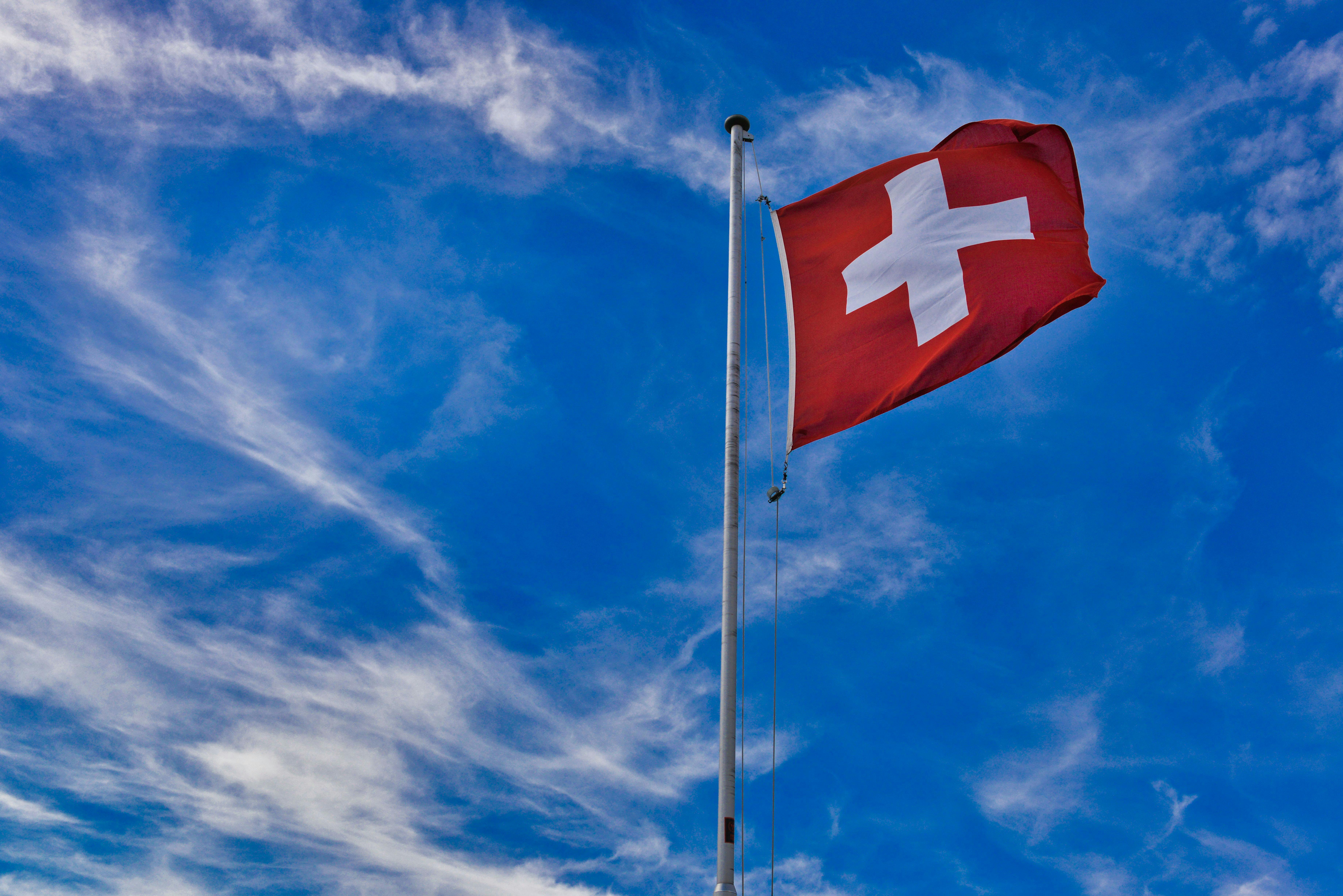
Switzerland's flag — a white cross on a red square — is one of the most graphically simple national symbols in the world, which makes it unusually easy to theme a party around. A few directions that all work well:
- Classic red and white — tablecloths, plates, and napkins in a bold red with crisp white accents, plus small Swiss cross flags as centerpieces or cake toppers.
- Alpine rustic — layer in natural wood, cowbells (a genuine Swiss folk touch), edelweiss motifs, and red gingham for a countryside-picnic feel.
- Modern minimalist — solid red and white with clean geometric shapes, echoing the flag itself rather than folk imagery, for a more contemporary dinner-party look.
Because red-and-white is also the base palette for a huge number of national and patriotic celebrations, you can build this look efficiently from a general national flag party supplies collection, which covers flag-themed tableware, banners, and balloons that work perfectly for a Swiss-themed table.
The Menu: Swiss Comfort Food Is Built for Sharing
Swiss cuisine leans communal by nature, which makes it ideal party food — most classic dishes are meant to be shared from one pot or board rather than plated individually:
- Cheese fondue — the single most iconic Swiss party dish. A pot of melted Gruyère and Vacherin with white wine and a touch of kirsch, served with cubed bread for dipping. Perfect for a smaller, intimate gathering around one table.
- Raclette — melted cheese scraped over boiled potatoes, pickles, and cured meats. Genuinely one of the best "everyone gathers around and serves themselves" party formats that exists, and it scales well for larger groups with a tabletop raclette grill.
- Rösti — a crispy pan-fried potato cake, easy to make in a large batch and cut into wedges for a party spread.
- Swiss chocolate dessert table — given Switzerland's chocolate reputation, a simple dessert table of assorted Swiss chocolates, chocolate fondue with fruit skewers, and a Swiss roll cake covers dessert with almost no cooking required.
- Drinks: a light Swiss white wine (Chasselas is the classic choice) for adults, and a warm spiced apple cider (a nod to Alpine tradition) for a family-friendly, non-alcoholic option.
Recreating the Bonfire and Lantern Tradition
The most visually iconic part of the real holiday is the evening bonfire-and-lantern tradition, and you can recreate a scaled-down, backyard-friendly version of it:
- A firepit centerpiece — if you have a backyard firepit or can safely use a small portable one, this becomes the natural gathering point as the sun goes down, echoing the hillside bonfires lit across Switzerland that night.
- A DIY lantern craft station for kids earlier in the party — simple paper lanterns with a battery tea light inside (skip open flames for handheld lanterns) let children make and then "parade" with their own lantern once it gets dark.
- String lights along a path or fence mimicking the lakeside and village light displays seen across Swiss towns that evening.
- A small fireworks or sparkler moment at the end of the night, echoing the fireworks displays over Lake Geneva, Lake Zurich, and Lake Lucerne — check local regulations first, exactly as you would for any other home fireworks celebration.

Music and Small Cultural Touches
You don't need to stage a full folk performance, but a few authentic details go a long way toward making the theme feel considered rather than generic:
- Play some traditional alphorn or yodeling music softly in the background as guests arrive — it's distinctive enough to set the tone immediately without being overwhelming.
- A small cowbell as a table centerpiece or even as a literal "dinner bell" is a genuine, recognizable Swiss touch.
- If you know any Swiss German, French, or Italian phrases (Switzerland has four national languages), a simple "Happy National Day" greeting sign in more than one — "Frohen Nationalfeiertag," "Joyeuse fête nationale" — is a nice detail for guests who'll notice it.
Activities for a Mixed-Age Guest List
- Lantern-making station (mentioned above) keeps kids occupied for a genuine stretch of time earlier in the event.
- A cowbell-ringing or yodeling contest — genuinely silly, genuinely fun, works for all ages and requires zero setup.
- A "flag trivia" round about Switzerland's cantons, history, or geography for the adults, kept light and casual.
- An Alpine-themed photo backdrop — a simple mountain-print banner or a few potted evergreens with string lights gives guests a spot for photos that reinforces the theme without much cost.
Planning Timeline: What to Do This Month
- Now (4 weeks out): Set your guest list, pick your aesthetic direction (classic red/white, Alpine rustic, or modern minimalist), and order your tableware, banners, and flags so you're not rushing shipping later.
- 2 weeks out: Finalize your menu — order any specialty cheese for fondue or raclette in advance since it may not be available at a standard grocery store on short notice.
- 1 week out: Prep DIY lantern-making supplies, confirm your firepit or fireworks plan and check local regulations if applicable.
- Day before: Prep make-ahead sides, chill drinks, and set up as much of the tablescape and decor as you can ahead of time.
- Day of (August 1): Set out the fondue or raclette station last so it's fresh, run the lantern craft earlier in the afternoon, and save the firepit and fireworks moment for after dark.
Understanding the Four-Language Character of the Celebration
One detail that makes Swiss National Day genuinely distinctive among European national holidays is that it's celebrated across four linguistic and cultural regions simultaneously — German-speaking, French-speaking, Italian-speaking, and Romansh-speaking Switzerland all mark the same day, often with regionally distinct flavors:
- German-speaking Switzerland (the largest region, including Zurich, Bern, and Basel) tends to feature the most visible bonfire tradition, with hillside fires visible across entire valleys after dark.
- French-speaking Switzerland (Romandie), including Geneva and Lausanne, often centers celebrations around lakeside gatherings, with Lake Geneva's fireworks display being one of the most photographed moments of the entire holiday.
- Italian-speaking Ticino, in the south near the Italian border, blends in a slightly more Mediterranean, outdoor-dining character to its celebrations.
- Romansh-speaking communities, concentrated in the canton of Graubünden, maintain some of the more traditional rural and mountain-village versions of the celebration.
You don't need to replicate all four regional styles at once, but picking one — lakeside and elegant, or rustic and Alpine — gives your party a more specific, considered identity than a generic "Swiss-themed" label would.
Setting the Table: A Practical Layout Guide
Because the aesthetic is built around just two colors, the tablescape can look either strikingly elegant or a bit flat depending on how it's layered. A few practical tips:
- Start with a white base tablecloth and layer a red table runner down the center rather than reversing the ratio — a mostly-white table with red accents tends to look cleaner than a mostly-red table.
- Use texture to add visual interest without adding more colors — a woven wooden charger under a plate, linen napkins, or a scattering of small pinecones or dried edelweiss (real or faux) down the runner.
- Centerpiece options that stay true to the theme without feeling costume-like: a cluster of white candles in varying heights, a small wooden cowbell, or a simple vase of white and red flowers such as carnations or ranunculus.
- Don't overlook the drinkware — clear glassware with a single red napkin tucked underneath reads as more sophisticated than fully patterned red-and-white cups, if you're going for the modern minimalist direction rather than a folk-festival look.
A Deeper Look at the Food: Make-Ahead and Day-Of Planning
Fondue and raclette are wonderful centerpieces, but they both require a bit of last-minute attention, so it helps to plan the rest of the meal around dishes that can be prepped well in advance:
- Make 2–3 days ahead: Pickled vegetables and cornichons (a classic raclette accompaniment), a simple green salad dressing, and any baked goods for the dessert table.
- Make the morning of: Boiled potatoes for raclette (they reheat well), a charcuterie board assembly, and any cold sides.
- Do last, right before serving: The fondue or raclette itself, since melted cheese dishes are meant to be served fresh and don't hold well once they start to set.
- A note on portions: Plan roughly 150–200g of cheese per person for fondue as a shared starter rather than a full meal, or closer to 250–300g per person if it's the main course of the evening.
If cheese-heavy dishes don't suit your guest list's dietary needs, a Swiss-inspired alternative like birchermuesli-based dessert cups, a simple green salad with walnuts and a light vinaigrette, or grilled sausages (Switzerland has its own strong sausage tradition, particularly cervelat) rounds out the meal without requiring a fondue pot at all.
Adapting the Party for Different Group Sizes
- Small, intimate gathering (4–8 guests): A single fondue pot works beautifully as the entire meal, paired with a simple salad and dessert. This is the most authentic, traditional format and requires the least equipment.
- Medium gathering (10–20 guests): Raclette scales better than fondue at this size, since a tabletop raclette grill lets multiple people melt their own portions simultaneously rather than sharing one pot. Consider two raclette stations if you're at the higher end of this range.
- Larger celebration (25+ guests): Shift toward a buffet-style format with rösti, grilled sausages, and a self-serve cheese and charcuterie board rather than trying to scale fondue or raclette, which both work better in smaller, more intimate formats.
Frequently Asked Questions
Do I need to be Swiss to host a Swiss National Day party?
Not at all — plenty of hosts throw themed national-day parties simply because the aesthetic, food, and traditions make for a genuinely fun and distinctive celebration, the same way many people host Oktoberfest or Cinco de Mayo parties without a direct personal connection to the country.
What's the easiest entry point if I don't want to cook fondue from scratch?
Pre-made fondue kits are widely available at specialty grocers and online, and raclette machines are inexpensive and reusable for future parties, making them a good one-time investment.
What if I can't do a bonfire or fireworks?
String lights, battery lanterns, and a simple sparkler moment recreate the warm, glowing atmosphere just as effectively without any fire regulations to navigate.
A Note on Authenticity vs. Approachability
It's worth acknowledging directly: if you don't have a personal or family connection to Switzerland, aim for genuine appreciation rather than costume-like caricature. Skip anything that reduces the culture to a punchline, and instead focus on the parts that are simply well-crafted and enjoyable on their own terms — the food, the warm lantern-lit evening atmosphere, and the simple, striking red-and-white visual identity. Most guests will appreciate a party that's clearly been thought through with care, regardless of whether the host has Swiss heritage themselves.
Where to Find Real Celebrations if You Want to Experience the Original
If you'd rather build your party around an authentic first-hand experience instead of just recreating the aesthetic at home, several Swiss cities are known for particularly strong public celebrations worth knowing about, even just as inspiration for your own event's structure:
- Bern hosts a large public celebration on the Kleine Schanze with music, food stalls, and a fireworks display over the city — a good model for a "town square" style layout if you're hosting a larger community event rather than an intimate backyard party.
- Lucerne's celebration incorporates the historic Chapel Bridge and lakefront, with boats gathering on the water to watch the fireworks — worth borrowing from if your own party has any water feature, even just a pool, as a natural gathering focal point for an evening display.
- Zurich's Lake Zurich fireworks are among the most widely broadcast, and the surrounding lakeside promenade fills with picnicking families beforehand — a nice structural reminder that the "picnic before the show" format works well even for a home version, letting your meal wind down naturally before the evening's main event.
Borrowing the structure of these real celebrations — communal meal first, activities and music through the afternoon, a shared visual moment (bonfire, lanterns, or fireworks) after dark — is a reliable way to pace your own party even if you're recreating it thousands of miles away.
Budgeting for a One-Off Themed Party
Because this isn't a holiday most guests will have themed decor for already, plan your budget slightly differently than a more mainstream celebration: allocate a bit more toward tableware and banners (since guests can't supplement with items they already own from prior years) and a bit less toward specialty ingredients by leaning on approachable substitutes like pre-made fondue kits rather than sourcing imported Swiss cheese from scratch. A coordinated red-and-white tableware set, a firepit or string-light setup you likely already have on hand, and one specialty food item (the fondue or raclette) is enough to carry the entire theme convincingly without an oversized budget.
One last practical note: because August 1 falls on a Saturday in 2026, you have the flexibility to host on the actual date without competing with a workday — a rare scheduling convenience worth taking advantage of, since guests won't need to weigh a weeknight commitment against getting up early the next morning.
One Month to Get It Right
A Swiss National Day party works because the core elements are simple and visually strong: red and white everywhere, a shared communal meal, and a warm lantern-lit evening as the sun goes down. With a full month of lead time, you have plenty of room to order coordinated decor, plan a menu that doesn't require last-minute grocery runs, and get the small cultural details right. Start with the national flag party supplies collection for your red-and-white tableware and banners, and round it out with pieces from the patriotic party supplies collection for extra bunting, balloons, and table accents.