


Why a Camping or Glamping Party Is the Escape Everyone Needs

Why a Camping or Glamping Party Is the Escape Everyone Needs
There is something magnetic about an evening under the stars. The crackle of a campfire, the smell of wood smoke, the sound of friends laughing in the dark — it is a kind of gathering that no indoor party can quite replicate. A camping or glamping party takes that feeling and turns it into an event: an outdoor escape where the focus is on connection, simplicity, and being present in the moment. Whether you are a seasoned camper or someone whose idea of "roughing it" is a hotel without room service, this is a party format that works.
The gap between "camping" and "glamping" is really just a matter of how much comfort you want to bring along. Camping is the stripped-down version — tents, campfire cooking, and a back-to-basics vibe. Glamping (glamorous camping) keeps the outdoor setting but layers in real beds, proper meals, string lights, and the amenities that make the wilderness feel a little more civilised. Both are perfect for birthday parties, family reunions, team retreats, and celebrations of every kind. The outdoors, it turns out, is the ultimate venue.
This guide walks you through choosing between camping and glamping, setting up a comfortable base, planning food and campfire activities, budgeting, and building a timeline so your outdoor party goes off without a hitch. By the end, you will be ready to pack the tent and head for the trees.
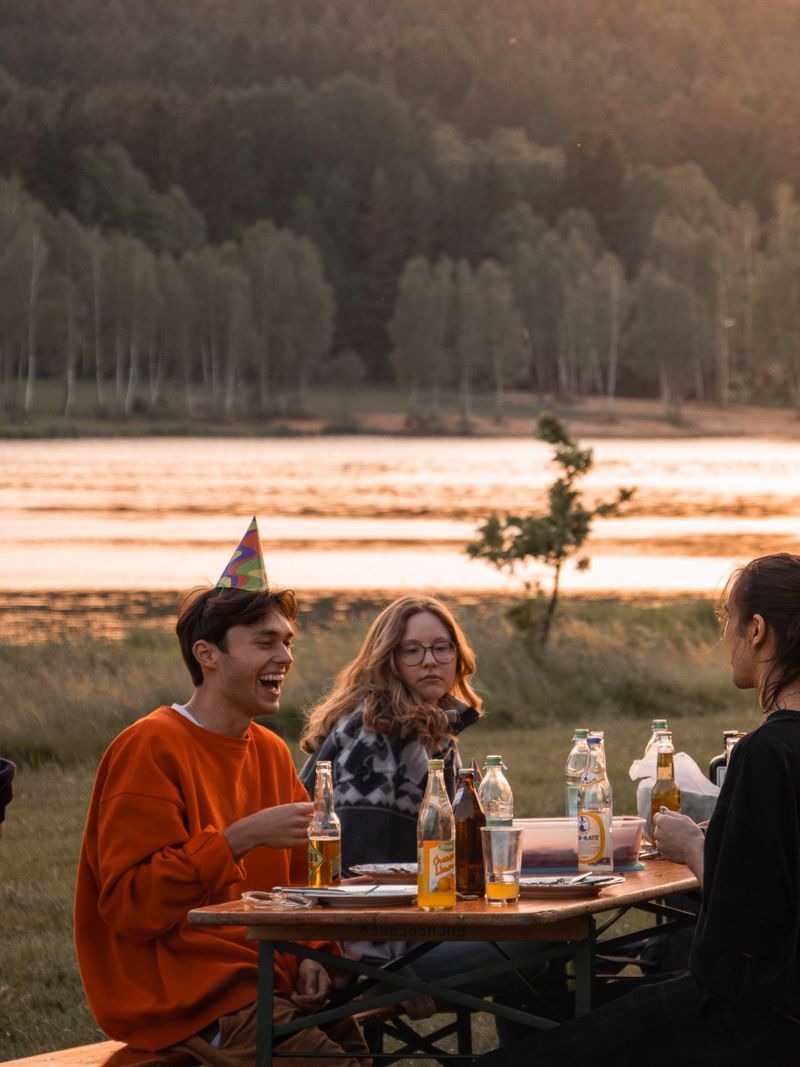
Camping vs. Glamping: Choosing Your Style
The first decision is how far you want to lean into the outdoors. A camping party is about the full experience: pitching tents, cooking over a fire, hiking, and embracing the elements. It is best for groups who are comfortable with sleeping bags, bug spray, and a shared portable toilet or designated facilities. The payoff is authenticity and a genuine sense of escape — there is nothing quite like waking up to birdsong after a night under the stars.
A glamping party, on the other hand, brings the luxury. Think pre-set luxury tents or cabins with real beds, fairy lights, a proper dining setup, and food that goes well beyond canned beans. Many commercial glamping sites handle the setup for you, which makes it an ideal choice for a group that wants the outdoor atmosphere without the physical work. If you are hosting at home, you can recreate a glamping vibe in your own backyard with a large tent, string lights, a fire pit, and comfortable seating — no travel required.
When deciding, consider your group honestly. Do they actually enjoy sleeping outdoors, or would they prefer a weekend of campfire ambiance and then real showers? A group of close friends who camp regularly will love the classic experience. A mixed group of friends and family, or a group that includes children or less outdoorsy adults, may be far happier with glamping or a backyard "camping party" that offers the best of both worlds. There is no wrong answer — only the one that matches your guests.
If you are unsure, a good middle ground is a "day-camping" party: spend the day outdoors with all the activities and food, then let everyone sleep at home. It captures the spirit of the outdoors without requiring anyone to commit to a night in a tent.
Setting Up a Comfortable Base Camp
Whatever style you choose, comfort is the difference between a party people talk about and a party people want to leave. Start with the essentials: good shelter, comfortable sleep, adequate lighting, and a reliable way to stay warm and dry.
If you are camping, tents should be slightly bigger than you think you need, and everyone should have a proper sleeping pad and sleeping bag rated for the expected temperatures. Cold nights are the single biggest reason people abandon camping early, so bring more insulation than you think you need. For glamping, the same principle applies but with real beds or thick air mattresses, warm bedding, and pillows that actually feel good after a day outdoors.
Lighting transforms a campsite from functional to magical. String lights draped around a canopy or between trees create an instant glamping atmosphere. Lanterns and headlamps are essential for practical tasks after dark, and a fire pit or chiminea provides both warmth and a natural gathering point. Make sure your lighting is easy to switch on and off, and always have backup batteries.
Food setup is where many parties stumble. Bring a portable table or a camp kitchen station, a reliable cooler or two for perishables, and a way to cook — whether that is a grill, a camp stove, or a simple fire. For a glamping event, a proper buffet table with sturdy outdoor tableware makes meal service feel elevated and keeps cleanup simple. And always plan for weather: a pop-up canopy or tarp over the dining area keeps a light rain from ruining the whole weekend.
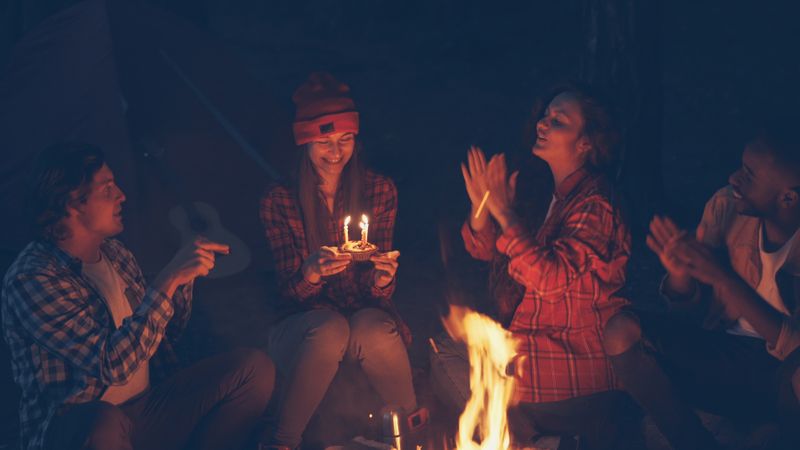
Campfire Food and the Drinks That Fuel the Night
Food is the heart of any camping party, and campfire cooking is half the fun. Classic options like hot dogs on sticks, hobo packets (meat, potatoes, and vegetables wrapped in foil and buried in the coals), and grilled foil-wrapped corn are easy, delicious, and made for the fire. For a more elevated menu, bring skewers for grilled veggie and meat kebabs, and bake foil-wrapped camembert or a cast-iron skillet of nachos right in the fire.
No campfire is complete without s'mores — marshmallows toasted to your preferred level of char, sandwiched between graham crackers and chocolate. It is a tradition for a reason, and it works for every age. For a twist, offer variations with peanut butter cups, caramel, or flavored marshmallows so guests can build their own. Around a fire, everyone becomes a little bit of a chef.
For drinks, keep it simple and practical. Hot chocolate and cider are perfect for cool evenings, and a big thermos of coffee or tea is essential for the morning after. If you are serving alcohol, be thoughtful: the wilderness is no place for overindulgence, and safety around an open fire is paramount. Always provide plenty of water and strong non-alcoholic options, and remind everyone to drink responsibly, especially if anyone is driving or operating fire.
When you are eating outdoors, woodland-themed tableware can make the meal feel festive and intentional without requiring heavy dishwashing. Sturdy paper plates, cups, and napkins are perfect for the campsite — they are light to pack in, easy to use around the fire, and simple to dispose of responsibly.
Activities, Games, and Making Memories Outdoors
The best camping parties strike a balance between structured activities and unstructured time. During the day, encourage hiking, swimming, fishing, or simply relaxing in a hammock. Set up a few outdoor games — cornhole, ladder toss, or a simple scavenger hunt for kids — to give the day some rhythm. If you are near water, bring water-safe games and gear, and always supervise children around any body of water.
As the sun sets, the campfire becomes the centerpiece. A classic activity is storytelling — ghost stories, funny memories, or a round-robin tale where each person adds a sentence. Music is a wonderful addition if the group enjoys it; a small portable speaker or an acoustic guitar can carry an evening. And a "share a highlight" circle around the fire is a lovely way to close the day and let everyone feel seen.
For stargazing, pick a night with clear skies and a dark location away from city lights. Bring a blanket, a star chart or an astronomy app, and maybe a telescope or binoculars if you have them. Lying back and watching the stars with friends is one of the most memorable experiences a party can offer, and it costs nothing at all.
If children are present, build in activities that are safe and engaging: a bug hunt, leaf collecting, simple nature crafts, or a glow-stick treasure hunt after dark. Keep a well-stocked first-aid kit on hand, and make sure an adult is always responsible for supervising kids near the fire and the water.
Planning, Budget, and a Timeline for Your Outdoor Party
A camping or glamping party can be as economical or as lavish as you like. Here is a realistic budget for a weekend event for a group of about ten to fifteen people.
For a classic camping party: If your group already has tents and gear, the cost is mostly food and fuel. Food and drinks for the weekend typically run $120 to $250 depending on how elaborate your menu is. Campsite fees range from free (dispersed camping) to $30 to $50 per night at developed campgrounds. If you need to rent or buy basic gear, add $50 to $150 per person.
For a glamping party: Commercial glamping sites vary widely, from $150 to $400 per night per tent depending on the location and amenities. A backyard glamping party is far cheaper — you may already own or can rent a large tent, and the biggest cost is food and elevated decor like string lights and comfortable seating. Either way, plan for food, drinks, decor, and any rental fees as your main line items.
Here is a practical timeline for a weekend camping party:
- Three to four weeks out: Pick the location and make reservations. Confirm how many people are coming and their gear needs. Send a detailed packing list.
- One to two weeks out: Do the bulk of the food shopping and prep. Marinate meats, chop vegetables, and portion meals that can be packed and kept cold. Test your gear — tents, stoves, and lanterns — so you are not discovering problems at the trailhead.
- The day before: Pack the car methodically, keeping food, cooking gear, and tent separately. Charge lanterns and phones, and lay out clothes for the weather.
- Day of: Arrive early to set up camp and establish the common areas. Get the fire going, serve an easy first meal, and let the weekend unfold naturally.
Always check the weather forecast and local regulations, including fire bans, before you go. Respect the environment by packing out everything you pack in, and leave your campsite cleaner than you found it.
A Sample Itinerary and Ideas for First-Timers
For anyone who has never hosted an outdoor party, a loose itinerary is the best way to keep the weekend feeling relaxed rather than chaotic. A typical two-day schedule might look like this: guests arrive mid-morning, claim their sleeping spots, and share a casual lunch while camp is set up. The afternoon is for games, hiking, or swimming, with plenty of unstructured time to wander. As evening falls, everyone gathers around the fire for a proper cookout, followed by s'mores, storytelling, and stargazing. The next morning is a slow one — coffee, a big campfire breakfast, a final short hike, and packing up by early afternoon. Leaving a wide buffer between activities means nobody ever feels rushed, and the best moments often happen in the gaps.
If you are a first-time host, choose a well-developed campground with restrooms, running water, and easy access to your site. A short drive to the location — ideally under two hours — makes it easy to retrieve forgotten items and lets hesitant guests feel secure knowing they are never far from civilization. Assign a gear-check partner before you leave: have each guest confirm they have a tent or share sleeping arrangements, warm layers, a light source, and anything they need to sleep comfortably. A shared packing list circulated in advance is the simplest way to make sure nobody shows up cold and unprepared.
Music can be the thread that ties the whole weekend together. A shared playlist of relaxed acoustic tunes for the afternoon, upbeat favorites for games, and mellow songs for around the fire sets the right mood at each stage. If someone plays guitar or another instrument, an impromptu sing-along around the fire is often the highlight of the trip — no performance pressure, just people joining in. Just keep volume reasonable so you respect nearby campers and let the natural sounds of the outdoors — birds, wind, and the crackle of the fire — remain part of the experience.
Camping and Glamping FAQ
What is the difference between camping and glamping? Camping is the traditional, self-sufficient experience — tents, campfire cooking, and back-to-basics. Glamping adds comfort and style, with real beds, proper amenities, and often pre-set luxury tents or cabins. The setting is the same; the level of comfort differs.
Do I need experience to host a camping party? No. Start small, choose a well-developed campground with facilities, and plan carefully. Focus on the essentials — shelter, warmth, food, water, and light — and build from there. A backyard campout is the perfect low-risk introduction.
What should I pack for a camping party? Beyond the basics of shelter and food, prioritize layers of clothing for changing temperatures, a reliable light source, a first-aid kit, sunscreen, insect repellent, and plenty of water. Comfort items like a pillow and a good sleeping pad make a huge difference.
Is a camping party good for children? Yes, with the right precautions. Kids love the outdoors, campfires, and sleeping in tents. Supervise them carefully around fire and water, keep them warm and fed, and build in age-appropriate activities. Short trips are best for younger children.
What do I do if the weather turns bad? Have a backup plan. If you are at a site with a cabin or a covered common area, that is ideal. Otherwise, a large waterproof canopy, extra tarps, and a well-stocked rain plan can keep everyone comfortable. For severe weather, do not hesitate to cut the trip short — safety comes first.
Do I need a permit to camp? It depends on where you are. Developed campgrounds usually require a reservation or site fee. Dispersed camping on public land may be free but often has rules. Always check local regulations and fire bans before heading out.
Answer the Call of the Wild
A camping or glamping party is more than an event — it is a chance to slow down, reconnect, and make memories that no screens or schedules can touch. Whether you pitch tents in the backcountry or set up a magical glamping setup in your own backyard, the formula is the same: great company, good food, warm fires, and time under the open sky. Plan your logistics carefully, keep your guests comfortable, and the outdoors will do the rest.
Stock your campsite with durable, festive outdoor party tableware and bring a touch of the forest home with woodland-themed party supplies. With the right gear and a little planning, your camping or glamping party will be the escape everyone needs — and the one they will not stop talking about.