


Central American Independence Day Party Ideas 2026: Celebrating la Independencia

Every September 15, five Central American nations — Costa Rica, Guatemala, El Salvador, Honduras, and Nicaragua — pause to celebrate the 1821 Act of Independence of Central America, the moment their shared story of freedom from Spanish rule began. It's a celebration that moves in a wave: on the evening of September 14, the Freedom Torch (Antorcha de la Libertad) is relayed by student runners down from Guatemala, through Honduras and Nicaragua, until it reaches Costa Rica, where everyone stops at six p.m. to sing the national anthem together. The next morning, streets fill with the marching bands of school parades, and handmade faroles (paper lanterns) glow from the night before. It is a holiday made for color, music, food, and family — which makes it a perfect reason to throw a party.
Whether you're hosting in the region, welcoming Central American friends and neighbors, or simply celebrating a shared heritage with your community, this guide walks you through a fiestas patrias party that honors the traditions without requiring a parade permit. You'll find the blue-and-white color story, the food that anchors every table, the games that keep kids and adults laughing, and a practical budget and timeline so the whole thing actually comes together. Plan ahead for the first Tuesday after Labor Day and you'll have a celebration worth the wait.
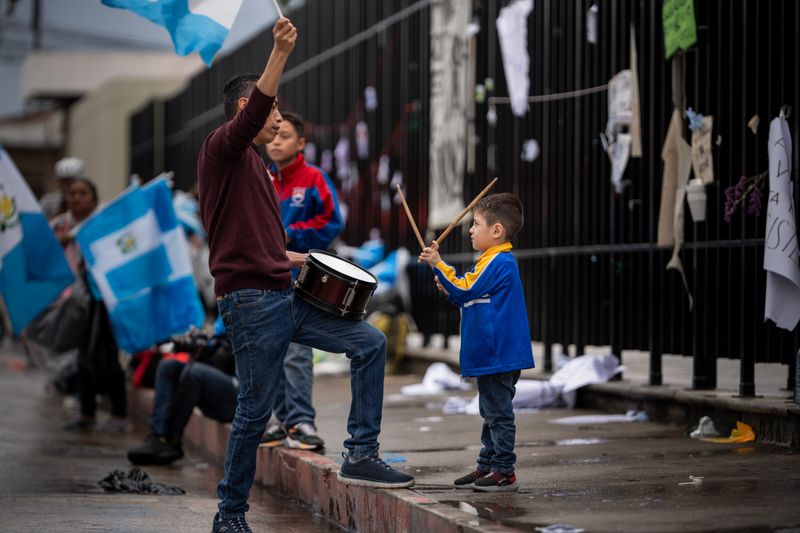
The Blue-and-White Color Story: Decor That Feels Like Home
The visual language of Central American independence is deceptively simple: sky blue and pure white, the colors shared (with small variations) by the flags of all five nations. Costa Rica adds its red band, El Salvador and Guatemala and Honduras and Nicaragua carry the blue-and-white tradition in their own ways, but a party that leans on crisp white tableware against rich blue accents reads immediately as fiestas patrias. Start there and build up.
For a room-scale effect, string white bunting or paper fans against a blue wall, then layer in blue paper lanterns overhead. On the table, go with blue plates and white napkins, or the reverse, and add a centerpiece of small flags for each of the five nations fanned in a jar. If you're feeling crafty, cut faroles — the little paper lantern houses children carry — from translucent paper and line them along the buffet. They're easy to make with a template, and they nod directly to the September 14 lantern parade that kids will already know about. For a full-color ready-made base, national flag party supplies give you a shortcut to a polished patriotic look in one order.
Don't forget the small touches that make a space feel festive rather than formal: mini flags on toothpicks in the center of platters, a blue-and-white balloon arch over the food table, and a "¡Feliz Día de la Independencia!" banner as the anchor. If your guest list includes families from more than one of the five countries, make the flags display a point of pride — each nation's flag side by side, so nobody's heritage is left out.
Food That Anchors the Fiesta: Tamales, Pupusas, and the Table of Plenty
The food is where a Central American independence party really finds its soul. Across the five countries, the menu leans on corn, beans, and rice in endlessly regional forms, and the smart host picks a few signatures rather than trying to cover all five national cuisines in one afternoon.
Tamales. Guatemala, El Salvador, Honduras, Nicaragua, and Costa Rica all have their own tamal. They vary in size, filling, and whether the corn dough is seasoned with achiote for a warm orange tint. If you're cooking, a big batch of chicken or pork tamales wrapped in banana or corn husks feeds a crowd and can be made days ahead and steamed to order.
Pupusas. El Salvador's national dish — thick corn tortillas stuffed with cheese, beans, or chicharrón, griddled until golden and served with curtido (pickled cabbage slaw) and salsa roja. They're interactive and fun, and a pupusa bar where guests build their own is an easy crowd-pleaser.
Rice and beans. Honduras and Nicaragua both center their meals on gallo pinto (Nicaragua) or rice and beans with meat (Honduras). Costa Rica does its own gallo pinto for breakfast, but for a party, a big pot of rice and beans with fried plantains, called tajadas or patacones depending on the country, fills out the table affordably.
Something sweet. Tres leches cake appears at celebrations across the region and is the easiest dessert to share with a crowd. Add a plate of empanadas de plátano or churros if you want an extra treat. Keep a stack of sturdy plates and napkins within reach of the buffet — patriotic party supplies in blue and white will keep the table looking intentional through seconds and thirds.
Venue and Setup: Making a Backyard or Hall Feel Like a Plaza
The best fiestas patrias parties borrow from the feel of a town plaza on a festival morning — open, colorful, and full of small gathering spots rather than one rigid seating plan. You don't need a large space to create that. Think in zones, even in a modest backyard or living room.
Start with a food zone: a single long table (or a folding table draped in a blue-and-white cloth) holding the buffet, drinks, and desserts in one logical flow, so people queue once and move on. Put the plates, napkins, and cutlery at the very start of the line, not scattered at the end, so hands are free by the time guests reach the food.
Set up a sitting zone away from the buffet where conversation can happen without crowding the food line — chairs in a loose semicircle, or picnic blankets on the grass for a casual cookout feel. If kids are present, keep a game zone visible from the adults' seating so parents can watch while they chat. Finally, make one corner the craft station for faroles and coloring, ideally near a wall or table where glue and scissors won't spread onto the food.
Lighting matters more than you'd think. In the late afternoon, rely on natural light; as dusk falls, switch to string lights and the battery-lit faroles. Avoid candles around the craft table and anywhere a child might knock them over, and if you hang a piñata, anchor it well away from cars, fences, and overhead branches. A simple, well-zoned layout keeps 25 guests comfortable and makes the space feel intentionally festive rather than crowded.
Regional Variations: Five Ways to Honor the Day
Because the holiday belongs to five nations at once, you can shape the party around a particular country's traditions or blend them all. Each has its own flavor worth knowing.
Costa Rica leans on the Freedom Torch and the evening lantern parade, then a morning of civic parades with school marching bands and baton twirlers. Its color scheme adds the red band, so you can introduce red accents to the blue-and-white base. Gallo pinto, patacones, and a strong coffee station nod to the tico love of a good morning spread.
Guatemala is where the torch relay starts, and its celebrations often feature colorful woven textiles, marimba music, and kite festivals in some towns. Adding marimba-style music to your playlist and using woven-pattern napkins or a table runner brings a distinctly Guatemalan texture to the decor.
El Salvador is inseparable from the pupusa — no celebration feels complete without them — and its flag carries the blue-and-white with a central emblem. A pupusa-making station where guests (or a hired cook) grill them fresh is the Salvadoran heart of the meal.
Honduras highlights its five-star flag, a direct symbol of the original five provinces, and centers the table on rice, beans, and grilled meat. Its Independence Day is also a moment for the smaller communities' parades and flag-raising ceremonies.
Nicaragua shares the torch relay and adds its own rhythms and the marimba, with a table built around gallo pinto and nacatamales — the Nicaraguan tamal, larger and often wrapped in banana leaves. If your group has ties to a specific country, feature its dishes and music most prominently; if it's a mixed crowd, a "taste the isthmus" spread that labels each dish by country is a wonderful conversation starter.
Games and Activities: From the Torch Relay to a Piñata
A fiestas patrias party can be more than a meal — it can be a mini-pageant of the traditions kids actually love. Here are activities that travel well from the school parade to your backyard.
The Torch Relay Mini-Race. Give kids a small baton or a stick with a paper flame, mark a start and finish line across the yard, and run a relay in teams. It echoes the real Freedom Torch relay without any fire. Explain briefly what the real torch symbolizes — that news of independence spread by messenger and runner from Guatemala down the isthmus — so the game carries meaning.
Farol Making Station. Set up a craft table with cardstock, scissors, glue, and battery tea lights. Kids cut and fold the little paper houses, and you light them with a flick of the switch. This doubles as both activity and decoration when you line them up at dusk.
Flag Trivia and a Five-Countries Quiz. A simple quiz about which color is on which flag, the date of the Act of Independence, and what the five stars on the Honduran flag stand for keeps older kids engaged and quietly teaches the history. Offer small prizes — stickers, mini flags, or candy.
Piñata and Baile. A star-shaped or flag-themed piñata is a crowd favorite at any Latin American celebration. And when the food settles, turn on cumbia, salsa, or the regional rhythms and let people dance. A simple playlist of Central American artists goes a long way toward setting the right mood.
Practical Planning: Budget, Timeline, and the Fiestas Patrias Checklist
Independence Day falls on a Tuesday in 2026, so many families will celebrate on the surrounding weekend, which actually gives you flexibility. Here's a realistic budget and timeline to work with.
Budget for a party of 25–30 guests.
- Decor: $60–$120 — balloons, paper fans, bunting, small flags, lanterns, banner. The flag-based supplies stretch further than you'd expect.
- Food: $80–$150 — tamales or pupusas made ahead, rice and beans, plantains, tres leches. Buying tamales from a local vendor is often cheaper and better than making them all from scratch.
- Tableware: $30–$50 — blue and white plates, napkins, cups, and cutlery. You don't need heirloom china for a backyard fiesta.
- Games and favors: $20–$40 — craft supplies, piñata, small prizes.
- Total: roughly $190–$360. Scale down to a smaller cookout for about half that.
Timeline (plan 2–3 weeks ahead):
- 2 weeks out: confirm guest list, order or commit to the tamale/pupusa plan, and order flag supplies so they arrive in time.
- 1 week out: finalize the playlist, prep the farol templates and craft station, and test your trivia questions.
- 2–3 days out: make the curtido, cook rice and beans, and assemble any desserts that keep well.
- Day of: steam the tamales, set up decor, fill the piñata, and line up the mini torch relay.
Checklist: flags for all five nations · blue and white tableware · banner · farol supplies · tamales/pupusas and sides · tres leches · piñata and prizes · torch relay baton · trivia questions · playlist · chairs and tables · trash and recycling bins.

Ages and Adaptations: Keeping Every Generation in the Celebration
Independence Day in Central America is famously intergenerational — grandparents and toddlers are at the same parade. Your party can mirror that, as long as you plan activities that match attention spans and energy levels.
Young kids (roughly 4–8). They'll love the mini torch relay, the piñata, and the farol craft station. Keep the craft simple — pre-cut shapes they can decorate and glue rather than requiring careful cutting — and have an adult or older teen supervising the glue and any scissors. A coloring table with flag outlines and crayons buys you quiet time during the food rush.
Older kids and teens (9–16). They respond well to a bit of competition. The flag trivia quiz with prizes, a dance-off when the music gets going, or a "which country is this flag?" identification game keeps them engaged without feeling childish. Let older kids captain the torch relay teams or run the piñata rope, which gives them a role instead of just an activity.
Adults and elders. For them, the party is about food and conversation, so make sure seating is comfortable and the buffet is easy to navigate. Play music at a volume that allows talking, and consider a short, heartfelt moment — a toast to the day, or a brief reading of what September 15 means — that acknowledges the heritage without turning the party into a lecture. Elders who remember celebrating in their home country often love sharing stories; a gentle question about their favorite Independence Day memory is the warmest kind of entertainment.
Mixed crowds and newcomers. Not everyone will know the history, and that's the beauty of a holiday party — it's a way in. A small sign or a friendly host explaining "the five flags are five countries that share one Independence Day" removes any confusion and makes newcomers feel included rather than outside an inside joke.
Frequently Asked Questions
Which countries celebrate September 15? Costa Rica, Guatemala, El Salvador, Honduras, and Nicaragua all mark their independence on September 15, 1821 — the day the Act of Independence of Central America was signed in Guatemala City. Belize, which gained independence later, celebrates on a different date, so keep the guest list accurate if you're honoring heritage.
What exactly is the Freedom Torch? It's a symbolic flame relayed by student runners from Guatemala south through Honduras and Nicaragua to Costa Rica on the evening of September 14, echoing how news of independence spread in 1821. Many communities hold their own torch runs in the days leading up to the holiday.
Are the flags the same across the five countries? No. They share the blue-and-white theme, but details differ — Costa Rica has red, El Salvador and Guatemala have their own central emblems, Honduras has five stars, and Nicaragua has its triangle. Displaying all five side by side is both accurate and a lovely gesture of unity.
Do I need fireworks? Some communities do use fireworks, but many municipalities regulate them and fire hazards are real in dry seasons. If you want a "spark" without risk, use glow sticks, the paper faroles, or a simple lantern moment at dusk instead. Keep anything flammable well away from the craft station and never leave open flames unattended.
Can I serve alcohol? Sure, moderately — a rum punch or a citrus cocktail fits the festive mood. But remember that families with kids will be present, and in several Central American traditions the celebration is deliberately family-centered. Offer plenty of non-alcoholic aguas frescas and set a clear age limit if you do pour.
What if my guests don't share this heritage? That's fine — the holiday is about community and pride, and the best parties introduce new people to the food, music, and customs warmly. Let the flag display and a short, friendly explanation do the welcoming work.
How do I handle the fact that the holiday falls midweek in 2026? September 15 is a Tuesday next year, so many families celebrate on the preceding Saturday or Sunday. Hosting on the weekend lets more guests attend and gives you time to recover before the workweek. Frame the weekend gathering as the family fiesta and, if you're inclined, mark the actual Tuesday with a smaller family dinner or a quiet toast.
What's the single most important thing to get right? The people and the food. Decor can be simple, but a table with good tamales or pupusas and a group that feels welcomed will carry the party regardless. Second on the list is the color palette — blue and white instantly signal the occasion, so even a minimal table in those colors reads as intentional.
Independence Day in Central America is a holiday built on joy shared across generations — a torch passed from runner to runner, a lantern carried by a child, a plate of tamales passed around a table. You don't need to replicate a national parade to capture that spirit; you just need good food, bright colors, music, and people who show up to celebrate together. Start with the blue-and-white palette and the five flags, and the rest will follow.
To get the party started on the right foot, browse national flag party supplies for the decor backbone and pick up blue paper plates to keep cleanup easy. With the table set and the torch lit, all that's left is to say it loudly: ¡Feliz Día de la Independencia!