


Christmas Party Ideas: The Complete Host's Planning Guide

Christmas parties reward planners who start early. The best ones are not thrown together in a panic on December 20 — they are built in layers, starting with the mood, then the menu, then the moments guests actually remember. Whether you are hosting a casual family gathering, an office blowout, or a friends-only cookie swap, this guide walks through everything from the first decoration to the last guest out the door.
Pick a Theme Before You Buy Anything
A theme is what stops a Christmas party from looking like a storage unit exploded. You do not need a complicated concept — you need a consistent palette and one or two signature elements.
- Classic red, green, and gold: the safest, most recognizable choice. Pine, plaid, and brass accents.
- Winter white and silver: elegant and modern, easier to keep cohesive with white lights and mirrored details.
- Rustic farmhouse: burlap, wood slices, kraft paper, and mason jars — warm and unfussy.
- Ugly sweater: deliberately chaotic, built around a contest with a silly prize.
- Candy cane / gingerbread: great for families and kids, leans playful over refined.
Lock the theme first so every later purchase reinforces it instead of fighting it.
Decor That Does the Heavy Lifting
You only need four things to make a room feel like Christmas: a tree (real or quality faux), string lights, a focal table, and a scent. The scent is the underrated one — a simmer pot of orange, cinnamon, and clove on the stove does more for atmosphere than a second tree.
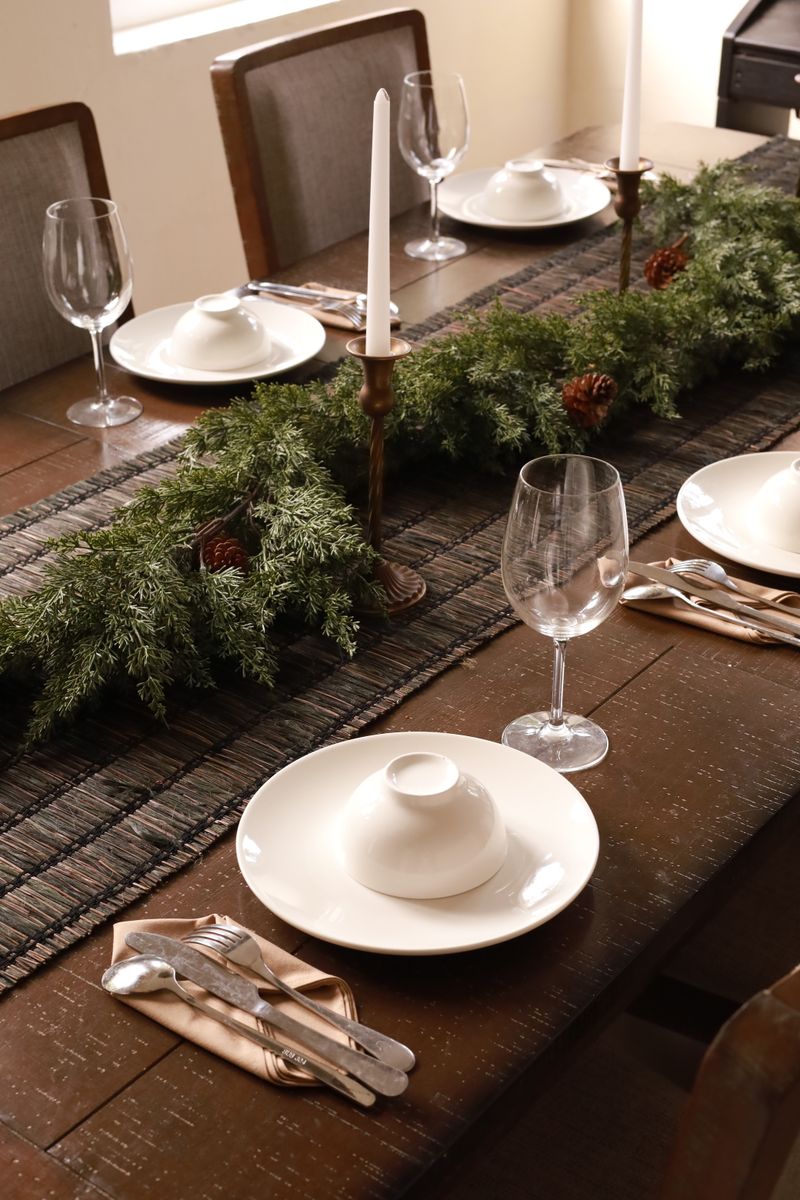
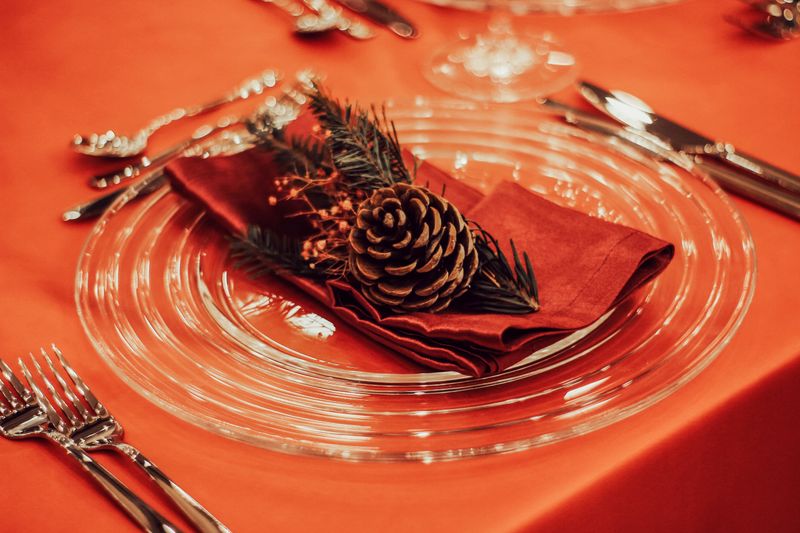
For the table, build height with cake stands and stacked books, then drape greenery (real pine or eucalyptus) and a few ornaments across the center. Battery-operated candles are safer than open flames when the room gets crowded. A "take an ornament" favor at each place setting doubles as decor and a goodbye gift.
Our Christmas party supplies collection carries themed plates, napkins, cups, and table decor so the whole table reads as one coordinated set without you sourcing pieces from five stores.

The Menu: Crowd-Pleasers Over Showpieces
Christmas food should feel generous and familiar. A roast (turkey, ham, or a standing rib roast for smaller groups) anchors the table, but the sides are where guests load their plates. Mashed potatoes, roasted root vegetables, green beans with almonds, and a cranberry-orange relish cover the bases. Warm rolls complete the plate.
Dessert is non-negotiable and should include at least one make-ahead option. Gingerbread, sugar cookies to decorate, a Yule log cake, and a tray of shortbread handle a crowd with minimal day-of effort. For a cookie swap, ask each guest to bring two dozen of one kind and send everyone home with a mixed box. If you want a signature touch, a hot cocoa bar — with marshmallows, crushed candy cane, and a caramel drizzle — is cheaper than a full dessert spread and keeps kids and adults happy alike.
Drinks: Warm, Spiked, and Zero-Proof
Offer three lanes so everyone is covered: a warm option (mulled wine or spiked cider), a cold option (sparkling punch or a cranberry spritz), and a zero-proof option (the cocoa bar above, plus sparkling water with citrus).
Mulled wine is the easiest impressive drink you can make: a bottle of red, orange slices, cinnamon sticks, star anise, and a little honey simmered for twenty minutes. For a party-sized punch, combine cranberry juice, ginger ale, and frozen cranberries in a punch bowl with a ring of ice. Label everything clearly so guests know what has alcohol in it.
Activities That Actually Land
- Secret Santa / white elephant: set a price cap ($15–$25) and a "steal" rule for white elephant. The stealing is the entertainment.
- Ornament decorating station: plain baubles, paint pens, and glue-on gems keep a table busy for an hour.
- Ugly sweater contest: vote by candy cane, winner gets a gag gift.
- Cookie decorating: especially good if kids are present.
- Christmas lights tour: for smaller groups, end the night driving past the best-decorated houses in the neighborhood.
- Carol karaoke: pull up lyrics and let the brave ones lead.
A Realistic Budget Breakdown
For 15 guests:
- Main roast + sides ingredients: $110–$150
- Desserts and cocoa bar supplies: $40–$60
- Drinks (wine, cider, mixers, zero-proof): $70–$100
- Decor (tree, lights, table set from holiday party supplies): $60–$110
- Favors and activity supplies: $25–$40
Expect roughly $305–$460 total. Cut costs by borrowing a tree, using what decor you already own, and making desserts instead of buying a catered spread.
Your 6-Week Planning Timeline
- 6 weeks out: Set date, send invites, decide theme.
- 5 weeks out: Order tableware and decor; start a running shopping list.
- 4 weeks out: Plan menu; confirm any potluck contributions.
- 2 weeks out: Buy non-perishables, wrap any early-prep items, test the mulled wine recipe.
- 1 week out: Shop produce and proteins; assign a friend to manage the playlist.
- 2 days out: Clean, set up the tree and lights, prep make-ahead sides.
- Party day: Roast, assemble the cold table, chill drinks, light the simmer pot.
The Pre-Party Checklist
- Theme locked; decor ordered and on hand
- Tree up, lights tested, greenery on the table
- Simmer pot ingredients ready
- Roast and sides prepped or purchased
- Desserts made or arriving
- Three drink lanes stocked and labeled
- Activity supplies (gifts, ornaments, pens) bagged
- Playlist spanning dinner and dancing
- Coat space and trash bins staged
- Tableware from the holiday collection counted and clean
A Sample Party Schedule, Hour by Hour
- 3:00 pm: Roast in; simmer pot on; playlist cued low.
- 5:00: Guests arrive to cocoa bar and appetizers.
- 6:00: Main seating; sides and roast served.
- 7:00: Dessert and cookie decorating open.
- 8:00: White elephant or ornament station peaks.
- 9:00: Dancing or carol karaoke.
- 10:30: Final toast; lights tour for those up for it.
A Kid-Friendly Christmas Party Variation
If children are coming, shift the重心 to hands-on activities: a cookie-decorating table with pre-baked shapes, a "reindeer food" craft (oats and glitter to sprinkle outside), and a visit-from-Santa photo corner. Keep the menu simple — mini sandwiches, fruit, and a hot cocoa bar beat a formal roast for little guests. Assign one adult as the "activity captain" so the hosts can still enjoy the evening.
Office Party Etiquette and Logistics
Workplace parties need a lighter touch. Keep alcohol optional and modest, set a clear end time, and avoid anything that could read as coercive (no mandatory speeches or gift auctions). A potluck or catered buffet removes the hosting burden from one person. Most importantly, give people an easy exit — not everyone wants to be the last one dancing by the photocopier.
Leftovers and the Next-Day Brunch
Christmas parties almost always over-produce, and that is a gift. Plan a loose brunch for the next morning: leftover roast becomes breakfast hash, cranberry relish tops yogurt or oatmeal, and stale gingerbread crumbles over ice cream. Boxing up leftovers for guests to take is also a graceful end-of-night gesture that clears your fridge.
Frequently Asked Questions
When should I send invitations? Six weeks ahead for the holidays, when calendars fill fast. Three weeks is the bare minimum.
Real or artificial tree? Either works. Artificial is reusable and lower-stress; a real tree wins on scent but needs water and cleanup.
How do I handle guests who don't drink? Always offer a zero-proof lane that feels as intentional as the alcoholic one — the cocoa bar or a citrus spritz, not just "water."
What's the easiest impressive dish? Mulled wine. Twenty minutes and a $10 bottle of red, and it smells like the whole party succeeded.
How much food per person? Plan one main protein serving plus two sides per guest, and 1.5 desserts per person — people graze more at holidays.
How do I avoid a messy cleanup? Use disposable themed tableware from the holiday collection, line the snack table with kraft paper guests can doodle on, and run a "bring your own container" leftover drive at the door.
Lighting, Scent, and the Mood Layer
Once the tree and table are set, the final twenty percent of atmosphere comes from light and smell. Dim the overheads to about thirty percent and let the tree lights, candles, and a few uplights do the work — flat bright lighting flattens even a beautiful room. Layer scents deliberately: a stovetop simmer pot of orange, cinnamon, and clove near the entry, and perhaps a pine or fir candle by the tree. Avoid competing fragrances from candles, sprays, and food all at once; pick two and let them breathe so the scent reads as intentional rather than cluttered.
The Roast and Sides, Planned Ahead
The centerpiece deserves a plan so it lands hot and rested. A frozen turkey needs two to three days of refrigerator thawing — never counter-thaw — and a full rest of twenty to thirty minutes after roasting so it slices cleanly instead of bleeding onto the board. Make-ahead sides save the day: mashed potatoes can be prepped and reheated in a slow cooker with a little cream, green beans blanch the day before and sauté in minutes, and cranberry relish only improves after a night in the fridge. The hosts who look relaxed at 6 p.m. are the ones who moved every possible task to the two days prior.
A Playlist Strategy That Carries the Night
Music is the invisible host. Build three playlists rather than one: a low, instrumental or jazz-forward mix for arrival and dinner, an upbeat singalong set for the activity window, and a dance set for the back half. Transition deliberately — start dinner music soft and raise energy only after dessert. A common mistake is one relentless party playlist that peaks at six and exhausts the room by eight. Queue the transitions in advance so you are not hunting for the next song mid-conversation, and assign a friend as "DJ" so you are not tethered to the speaker all night.
Dessert Station Logistics
A dessert spread looks generous but fails if it is hard to serve. Pre-portion cookies into cups, pre-cut the Yule log, and keep the cocoa bar self-serve with clearly labeled toppings. If you run a cookie swap, set a separate table for incoming boxes so the display dessert and the take-home boxes never mix. Warm desserts (bread pudding, baked apples) hold well in a low oven and can be pulled as needed, which avoids a frantic plating rush during the toast.
Favors, Gifts, and a Gracious Send-Off
A small takeaway turns a good party into a remembered one. For Christmas, the easiest favor is a decorated ornament or a jar of homemade cranberry-orange relish tied with twine. If guests contributed to a potluck or cookie swap, send them home with a mixed box. The send-off matters as much as the welcome: have coats and a clear exit path ready, and a designated person — not you, mid-cleanup — to thank people as they leave. A text the next morning with one photo from the night closes the loop and primes the next invitation.
Common First-Timer Mistakes to Avoid
New Christmas hosts tend to over-cook, under-decorate the scent layer, and forget a zero-proof drink lane. They also underestimate the roast's rest time and the value of a written timeline. Another frequent miss is lighting the tree but leaving the rest of the room harsh — dim everything else first. Finally, don't skip the six-week plan; parties without one drift, and the host ends up behind the punch bowl all night instead of with their guests.
Running a Cookie Swap, Step by Step
A cookie swap is the highest-engagement Christmas activity because everyone leaves with more than they brought. Set the rule early: each guest bakes two dozen of one recipe and brings them boxed, plus a few copies of the recipe. Lay out labeled plates, let people circulate and fill a take-home box with one or two of each kind, and keep one plate of each for a shared dessert table. The host provides the boxes, a little ribbon, and coffee. The only real risk is too many of the same cookie — solve it by assigning categories (iced, chocolate, nut-free, bar-style) when people RSVP so the spread stays varied.
Theming the Kids' Table
If children are coming, a dedicated kids' table prevents the adults' dinner from collapsing into chaos. Cover it in kraft paper they can color, set a small craft (decorate a pinecone or a paper ornament), and serve a simplified plate — mini sandwiches, fruit, a cookie — so they are not waiting on the adult roast. A "reindeer food" craft (oats and a little glitter to sprinkle outside) gives them a mission before dessert. Rotate one patient adult through "kids' captain" in shifts so no single host is stuck, and the grown-ups actually get to eat their own dinner while it is still warm.
Handling Dietary Restrictions Without a Fuss
Every Christmas guest list now includes at least one restriction — nut allergy, gluten-free, vegetarian, or dairy-free. The low-stress approach is to build the menu around naturally inclusive dishes: roasted vegetables, a green salad, and a grain side are safe for most. Label the remaining items clearly with allergen tags (a small card tented at each dish), and keep one dessert that is both gluten- and nut-free so no one is left out of the sweet course. Asking about restrictions on the RSVP — not at the door — is the move that makes people feel cared for rather than accommodated, and it saves you a 5 p.m. scramble.
Gift Exchange Formats Compared
If your Christmas party includes a gift element, the format shapes the energy. Secret Santa is intimate and low-cost but requires coordination weeks ahead. White elephant is the most entertaining for a mixed group because the stealing creates the drama — cap the price at twenty-five dollars and limit steals to three per item. A "criteria gift" exchange (bring something red, something useful, something under five dollars) is the easiest to run spontaneously. Whichever you choose, announce the rules before people buy so no one shows up with the wrong thing and feels awkward in front of the room.
Set the Table, Set the Tone
A great Christmas party is mostly logistics disguised as magic. Choose a theme, stock the table from our Christmas party supplies and holiday party supplies collections, and let the scent of orange and cinnamon do the rest. Your guests will remember the feeling long after the ornaments come down.