


Easter Party Ideas: Pastel Decor, Egg Hunt & Spring Brunch

There is a reason Easter parties show up on calendars from preschool classrooms to backyard brunches: the holiday arrives with a built-in aesthetic. Pastels, fresh flowers, dyed eggs, and the first warm weekend of the year make it almost impossible not to celebrate. An Easter party works across ages because it balances two things adults love — a slow spring brunch — with the one thing kids love most: a hunt with a prize at the end.
Whether you are planning a family gathering, a church or community event, or a relaxed friends' brunch, this guide covers decor, the egg hunt, food, drinks, games, a budget, and a timeline. Easter 2026's date has passed, but Easter 2027 falls on April 4 — and an Easter party plan is worth building early, especially if you want specific pastel supplies to arrive on time.
Why an Easter Party Works for All Ages
Most holidays skew one way or the other. Easter is rare in that it genuinely serves everyone. Toddlers get the egg hunt, tweens get the crafts, adults get a reason to sit outside with a plate of something sweet and a cup of something cold. The trick is to design the day so no single group is waiting around for the others. Build parallel tracks: an active hunt for kids, a relaxed brunch table for adults, and a craft station that bridges both.
Pastel Decor and Tablescapes
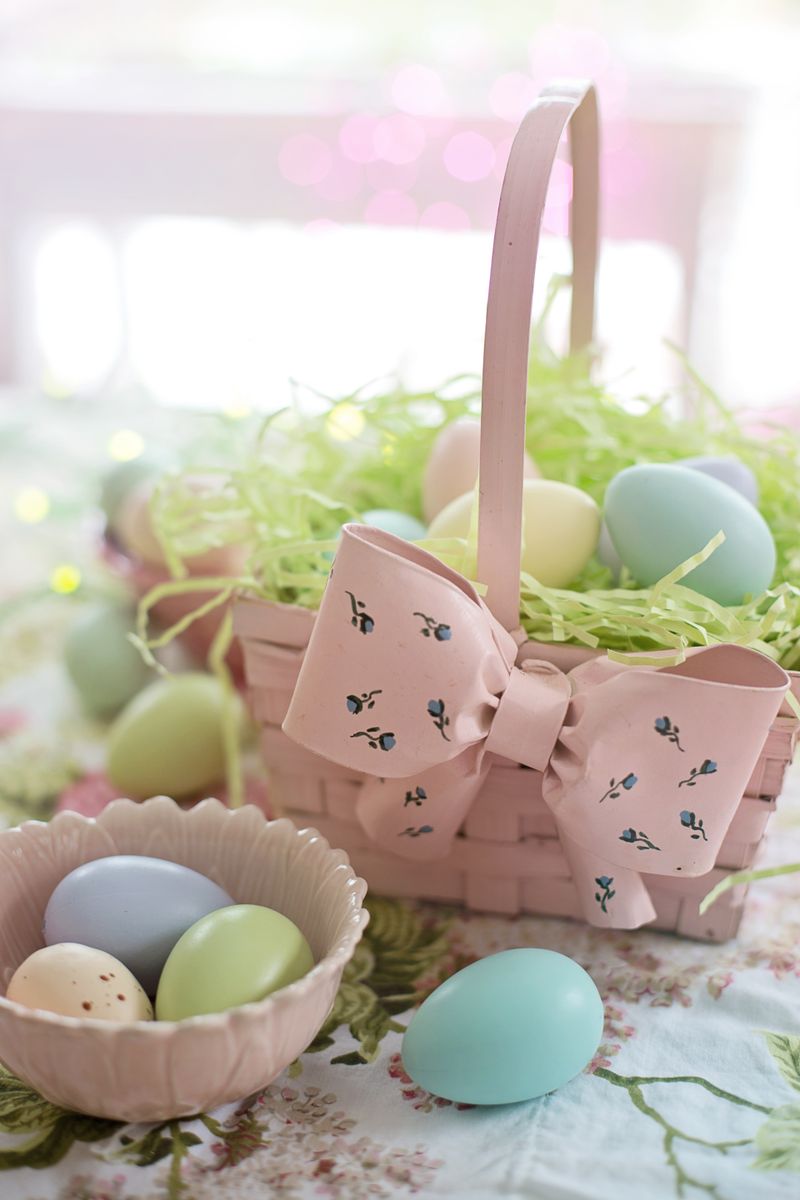
Easter's palette is soft — blush pink, butter yellow, mint, lavender, and robin's-egg blue. You can hit it with very little effort.
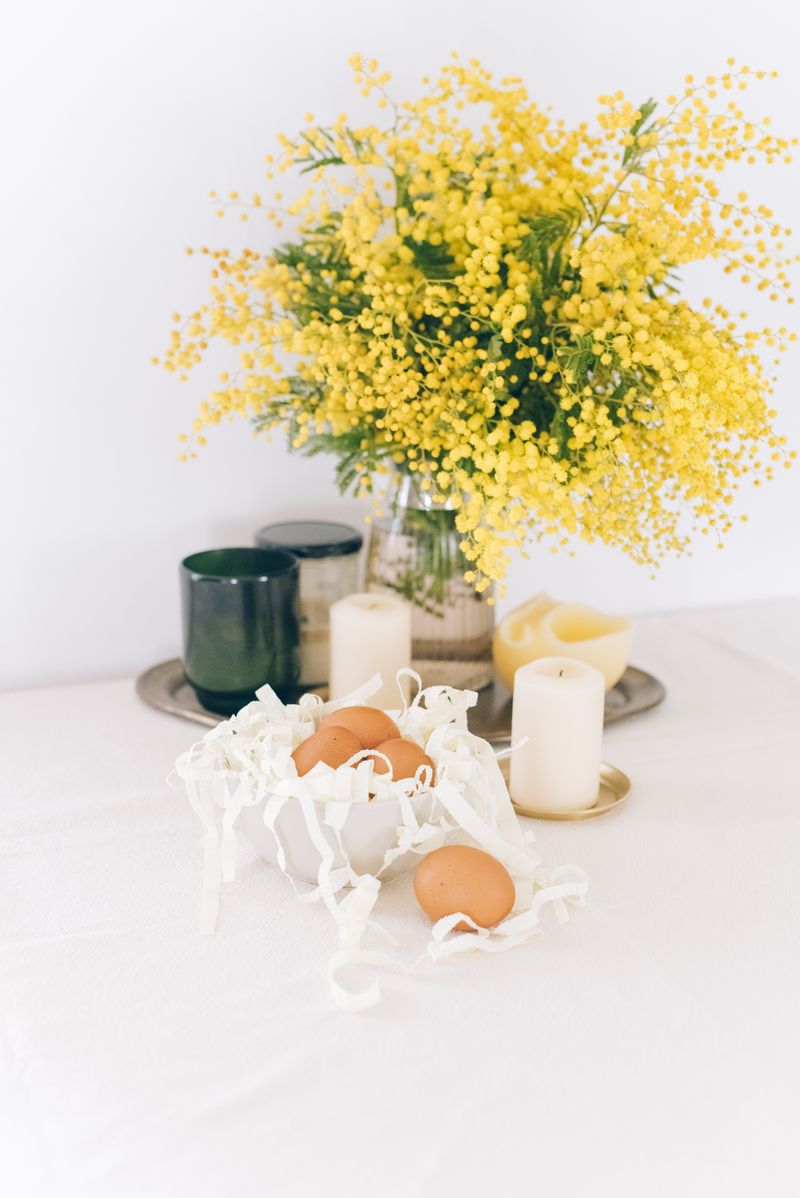
- Eggs as decor: A bowl of dyed or faux eggs on the table is the cheapest centerpiece you will ever make. Scatter a few down a runner for length.
- Fresh flowers: Tulips and daffodils are the season's signature. Even a single bunch in a jar lifts a room.
- Bunny and chick accents: Small ceramic or plush bunnies tucked between place settings add whimsy without clutter.
- Themed tableware: Pastel plates, napkins, and a tablecloth pull the scheme together instantly. Our Easter party supplies and party tableware collections carry coordinated spring prints.
The Easter Egg Hunt
The hunt is the heartbeat of the day, and a little structure keeps it fair and fun rather than a free-for-all.
- Zone by age: Toddlers get a low, obvious area with plenty of eggs. Older kids get a trickier zone. Separate zones prevent the little ones from being trampled.
- Count and cap: Give each child a numbered limit so one kid does not scoop the whole yard. A "basket full" rule works too.
- The golden egg: Hide one special egg (or a token inside) with a bigger prize. It gives the hunt a climax.
- Non-candy fillers: Stickers, small erasers, coins, or a few dollars in the golden egg keep sugar totals reasonable.
Food and Brunch Spread
Easter brunch lands in that perfect slot between breakfast and lunch, which means you can mix sweet and savory freely.
- Eggs, obviously: Deviled eggs, egg salad sliders, or a frittata use the holiday's namesake ingredient without repeating the hunt.
- Breads: Hot cross buns are the traditional pick; cinnamon rolls are the crowd-pleaser.
- Sweets: Carrot cake, sugar cookies shaped like eggs or bunnies, and a bowl of pastel marshmallows cover the dessert table.
- Fresh and light: A fruit salad and a green salad balance the sugar and give adults something to actually eat.
Label anything with common allergens — nuts in carrot cake and dairy in most frostings are the usual suspects.
When in doubt, over-index on fruit and a simple egg dish; they are the two things almost every guest will eat, and they keep the table feeling fresh next to the sweets. A brunch that is all sugar crashes the room by noon, while a plate with protein and fruit underneath the pastels sustains the energy through the hunt and the crafts.
Drinks
- Easter punch: A pastel punch of lemonade, a splash of cranberry, and floating citrus slices looks the part.
- Lavender or mint lemonade: A gently floral lemonade feels special and photographs well.
- Hot options: If the morning is cool, a tray of coffee and tea beside the cold drinks covers everyone.
Games and Crafts
Build a craft station so the party does not live or die on the hunt alone.
- Egg decorating: A dye-and-sticker station keeps hands busy and sends guests home with their work.
- Bonnet or mask making: Paper plates, ribbons, and stickers become Easter bonnets in ten minutes.
- Bunny hop race: A sillier version of a sack race for the yard.
- Jelly bean guessing: A jar of jelly beans and a closest-guess prize is the easiest game you will ever run.
- Pin the tail on the bunny: The holiday's answer to pin the tail on the donkey.
Keep the craft station stocked but supervised for the youngest guests, since small decorations and dye can end up in mouths. A five-minute demo at the start — "dip, dab, sticker" — prevents the chaos of twenty kids inventing their own method at once. The goal is a keepsake they made, not a masterpiece, so lower the pressure and let the glue fly; the photos of concentrating little faces are often the best ones of the day.
Budget Breakdown
Estimated cost for about 15 guests:
- Decor and tableware: $40–$70
- Food and brunch: $90–$140
- Eggs and hunt prizes: $25–$45
- Drinks: $25–$40
- Craft supplies: $20–$35
Expect roughly $15–$25 per guest. The egg hunt is the cheapest entertainment you will ever run — a dozen eggs and a yard do most of the work.
Your Three-Week Planning Timeline
- 3 weeks out: Send invites and order Easter party supplies and party tableware so pastel items are in hand early.
- 2 weeks out: Plan the menu, confirm the hunt zones, and buy non-perishables and craft materials.
- 1 week out: Shop fresh food and dye the display eggs (hard-boil the hunt eggs the day before).
- 2 days out: Bake buns and cookies; prep the craft station.
- Party day: Set the table, hide eggs right before the hunt, and start the drinks.
Hosting Tips and Safety
Egg safety matters more than people expect. Hard-boil hunt eggs if you plan to eat them, and hide them where they will not sit in dirt or direct sun for long — a two-hour outdoor limit is sensible, and toddlers should be watched so they do not pop a whole egg. For very young children, use plastic eggs filled with non-candy items to avoid choking risks. If you dye eggs with kids, use food-safe dye and wash shells first. Keep any nut-heavy treats clearly separated for allergic guests.
Frequently Asked Questions
Real eggs or plastic for the hunt? Plastic is safer for toddlers and reusable year to year. Use real hard-boiled eggs only if you will eat them and they stay cool.
How many eggs per child? Plan 10–15 for younger kids and 15–20 for older ones, adjusting to your yard size and guest count.
Can this be indoors? Yes. A living room hunt with eggs tucked on shelves and behind cushions works brilliantly in bad weather.
What if it rains? Have an indoor backup zone ready and move the hunt inside. Plastic eggs handle the switch best.
How do I keep sugar reasonable? Fill most eggs with stickers or small toys and reserve candy for a few. The golden egg can hold a coin or a small bill.
When should I order supplies? At least three weeks ahead, since pastel items sell out close to the holiday.
What's the one thing not to skip? The golden egg. It turns a nice hunt into a story kids retell all year.
Easter Brunch Menu in Detail
Beyond the headline dishes, a strong Easter brunch balances temperature and texture. Pair something warm — a frittata or hot cross buns — with something cold, like fruit salad or deviled eggs, and something sweet, like carrot cake or sugar cookies. Add one showpiece, such as a braided Easter bread or a tulip-centerpiece cake, that anchors the table visually. Keep portions flexible: brunch guests graze, so a board of small bites beats one giant entrée every time, and it scales painlessly when a guest brings a plus-one.
Themed Variations
Once the basics are set, tailor the party to your crowd. A "Bunny Brunch" leans hard into pastel and rabbit decor for little kids. An "Egg-Decorating Party" makes the craft the main event, with dozens of dyes, stickers, and stencils on the table. A "Spring Garden" theme swaps bunnies for fresh flowers and potted herbs as take-home favors. Pick one variation and commit — a party with a clear point of view photographs better and makes every decor and menu choice easier.
A Sample Running Order
- 10:00 AM: Brunch laid out, drinks station open, craft table set.
- 10:45 AM: Egg hunt, age-zoned, with the golden egg hidden last.
- 11:30 AM: Craft station and bonnet making for any late energy.
- 12:30 PM: Relaxed brunch, games, and the jelly-bean guessing reveal.
First-Timer Egg-Hunt Tips
If you have never run a hunt, hide eggs at kid height first — toddlers cannot spot an egg tucked in a tree — then place a few higher for older children. Do a sweep after the hunt so no egg is left to rot in a flowerbed or behind a cushion. Photograph your hiding spots if you are prone to forgetting where the golden egg went, and keep a spare golden egg on hand in case one goes missing before the big reveal.
More Frequently Asked Questions
What age is the egg hunt for? Roughly ages 2 to 10, with zones adjusted by ability. Older kids enjoy a trickier hunt or a timed challenge.
How long should the party last? Two to three hours is ideal — long enough for brunch and the hunt, short enough to keep toddlers from melting down.
Can I do this without a yard? Yes. Indoor hunts with plastic eggs behind cushions and on shelves work in any space and dodge the weather entirely.
What's a good non-candy egg filler? Stickers, coins, small toys, or a tiny note. Reserve candy for a few eggs only, and label any nut-containing ones.
Setting the Scene: Indoors vs. Outdoors
Easter lands in early spring, which means the weather is a coin toss. An outdoor setup — a picnic blanket, a low table, and the hunt across the grass — is the dream, but build the indoor version first and treat sunshine as a bonus. Indoors, use the craft table as the visual center and run the hunt through living-room hiding spots. Outdoors, shade the food so the sun does not wreck the frosting, and keep a basket of blankets for guests who underestimate spring chill. Either way, the pastel palette and the eggs do the decorative work.
A Kids' Craft Pack to Prep Ahead
The craft station runs itself if you pack it the night before. Use a caddy or tray with compartments: one for dyes and spoons, one for stickers and stencils, one for markers, and a stack of hard-boiled eggs or wooden blanks. Add a "take-home" bag so finished eggs travel without smudging. Pre-portioning means you are not hunting for the glue stick mid-party, and kids move through the station without a bottleneck at the supplies.
The Drinks, in Detail
A spring drink station should feel light. The pastel punch — lemonade, a splash of cranberry, floating citrus — is the anchor, but add a clear water option with cucumber or mint for guests who want something clean. For a cool morning, a thermal carafe of coffee beside the cold drinks covers the adults, and a small hot chocolate option keeps the youngest guests happy. Rest everything on a stable, wipeable surface and keep the sugary options clearly separate from the plain water.
Weather and Backup Plans
If the hunt is outdoors and it rains, pivot indoors without losing the magic. Plastic eggs hide just as well behind couch cushions, inside toy bins, and on low shelves. Move the brunch to the craft table area and keep the same running order. The only thing that changes is the venue — the eggs, the prizes, and the excitement stay intact, and you avoid a yard full of soggy baskets.
Egg Dyeing: A Quick Mini-Guide
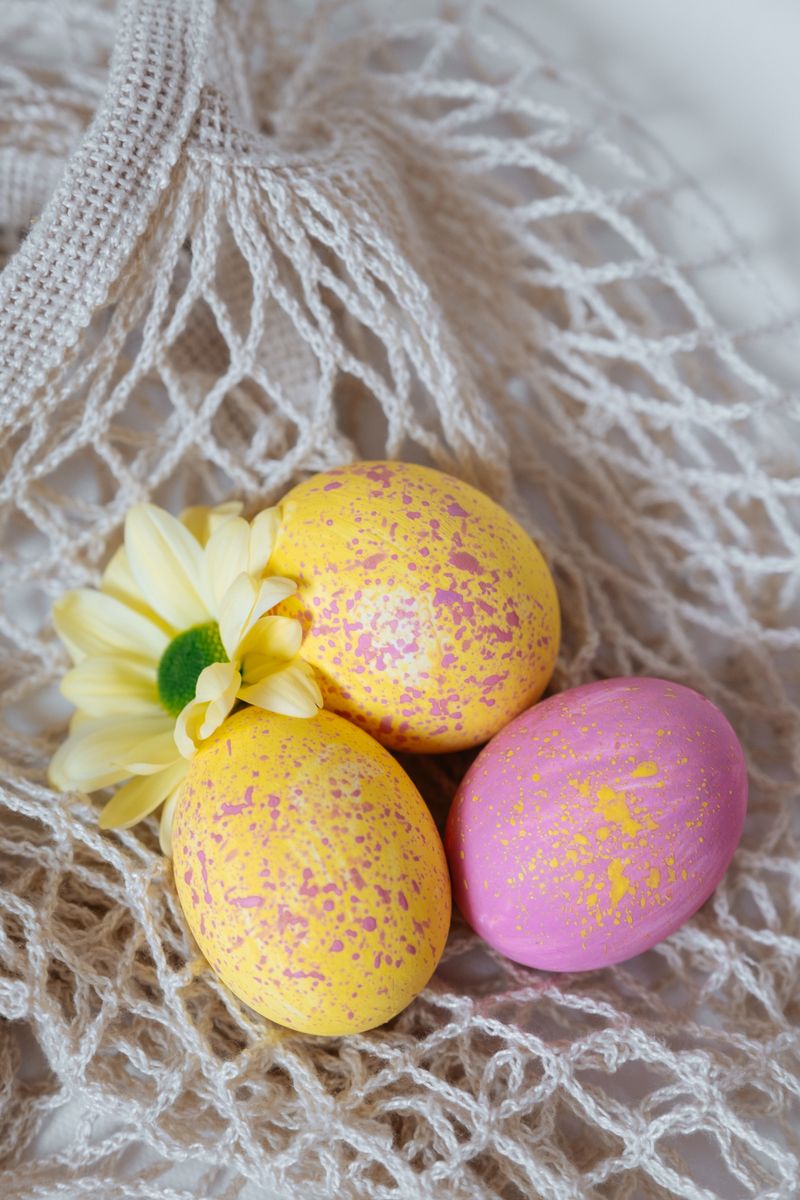
If you are dyeing real eggs, start with room-temperature hard-boiled eggs and let them cool completely. Use a vinegar-based dye — a splash of white vinegar per cup of warm water plus food coloring — for the most saturated color, and dip longer for deeper shades. Speckle with a toothbrush loaded with darker dye, or wrap eggs in onion skins before boiling for a natural marbled tone. Let them dry on a rack, not a towel, to avoid smudges. Kids love the dipping; adults love the results, and a tray of ombré eggs is the easiest centerpiece you will ever make. Save a dozen plain whites for the hunt so the dyeing and the hiding stay separate jobs.
Pastel Pairings That Photograph Well
Not every pastel plays nicely with every other. The safest, prettiest combination is blush pink, butter yellow, and mint green with a touch of white — it reads "Easter" instantly and looks coherent in photos. Add lavender only in small doses, since it can dominate a frame. Wooden accents — a bread board, a rattan tray, a wicker basket of eggs — ground all that softness and stop the table from looking like a candy commercial. A single deeper accent, like a terracotta pot or a brown loaf, keeps the pastels from washing out under bright spring light.
A Quick Brunch Timeline for the Cook
If you are cooking, spread the work so the morning stays calm. Bake breads and dye the display eggs the day before. In the morning, set the table first, then prep anything cold — fruit, deviled eggs, salad — before guests arrive. Leave only the hot items for close to serving: frittata in the oven, buns warming, coffee brewing. Aim to be dressed and off your feet ten minutes before the first guest walks in, because that small buffer is exactly what makes the day feel hosted rather than frantic, and it lets you greet people instead of greeting the stove.
Easter is the rare party that asks so little and gives back so much — a pastel table, a yard full of hidden eggs, and a first taste of spring. Start with the Easter party supplies and party tableware collections to set a spring table in minutes, then build the hunt and the brunch around it. Keep the structure light, the eggs hidden well, and the afternoon will run itself.