


Fiji Independence Day 2026 Party Ideas: Celebrate the Bula Spirit in Style

Every October 10, the islands of Fiji erupt in celebration. Fiji Day marks the moment in 1970 when the archipelago of 333 islands declared independence from British rule after 96 years of colonial administration. Whether you trace your roots to Suva, Nadi, or the outer islands, or simply fell in love with Fijian warmth during a holiday, hosting a Fiji Independence Day party is one of the most joyful ways to honor the Bula spirit, that uniquely Fijian philosophy of welcome, community, and gratitude that makes every gathering feel like family.
This year, Fiji Day falls on Saturday, October 10, 2026, which means the timing could not be better for a weekend celebration. If you are part of the Fijian diaspora in North America, Australia, or New Zealand, this is your chance to bring the island to your backyard, community hall, or living room. And if you have never celebrated Fiji Day before, there has never been a better moment to start. In this guide, you will find everything you need: authentic food traditions, decor ideas rooted in Fijian culture, music playlists, games for all ages, a step-by-step planning timeline, and a budget that works for gatherings of ten or one hundred.
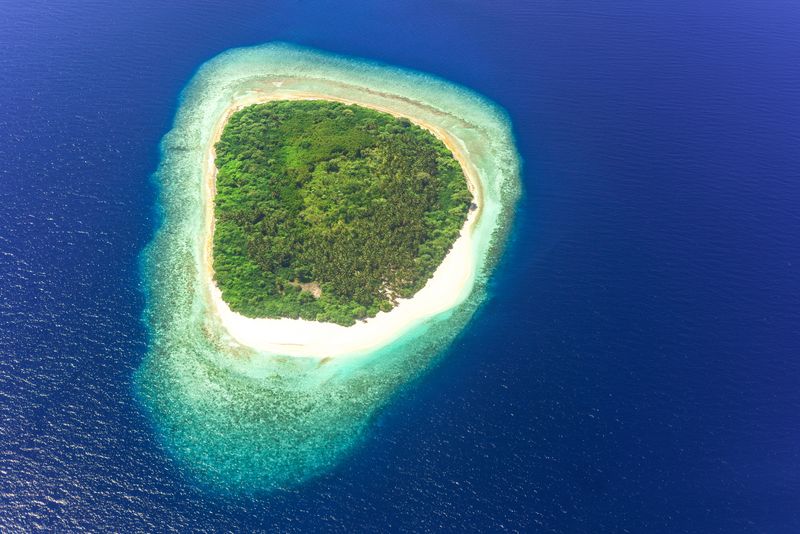
Understanding Fiji Day: History and Cultural Significance
Fiji's path to independence was remarkably peaceful compared to many post-colonial transitions. The movement gained momentum in the 1960s under leaders like Ratu Sir Kamisese Mara, who would become Fiji's first Prime Minister. After years of constitutional negotiation with Britain, Fiji officially became an independent nation on October 10, 1970, ending nearly a century of British rule that began in 1874 when the chiefs of Fiji signed the Deed of Cession.
What makes Fiji Day culturally rich is the way it weaves together the traditions of Fiji's two main indigenous groups: the iTaukei (indigenous Fijians) and the Fiji-Indian community, descendants of indentured laborers brought from India between 1879 and 1916 to work on sugar cane plantations. A proper Fiji Day celebration honors both heritages. You will find Indo-Fijian curries served alongside lovo (earth-oven feasts), and the rhythms of Bollywood mixing with the beat of the lali (wooden slit drum) and the harmonies of Fijian choir music.
Understanding this dual heritage is key to planning an authentic celebration. The iTaukei tradition emphasizes community, respect for elders, and the vanua (land and people as one). The Fiji-Indian tradition brings vibrant cuisine, colorful textiles, and a love of music and dance. When you host a Fiji Day party, you are not just throwing a tropical luau, you are celebrating a unique Pacific nation that has blended Melanesian, Polynesian, and South Asian influences into something entirely its own.
Color Palette and Decor: Bringing Fiji to Your Home
The Fijian flag features a light blue field with the Union Jack and a shield containing a coconut palm, sugar cane, bananas, and a dove of peace. For your party, draw from this palette: soft ocean blues, brilliant greens, warm sandy neutrals, and accents of yellow and white. Avoid the cliched tiki-bar aesthetic that belongs to generic Polynesian-themed parties. Instead, aim for a look that feels like a Fijian village hall on celebration day.
Start with your table setting. Use elegant disposable tableware in ocean blue and sandy beige to evoke the coastline without the cleanup stress. Layer a beach-themed plate collection over a plain table cover to create depth. Scatter fresh tropical flowers if you can find them: frangipani (plumeria), hibiscus, and orchids are all native to Fiji and widely available at florists. If fresh flowers are not an option, silk versions in the same palette work beautifully.
Beyond the table, think about transforming your space. String warm white lights along fences and railings to mimic the lantern-lit evenings of a Fijian village. Hang lengths of masi (tapa cloth) or plain burlap as backdrop panels. Set up a small display area with Fijian artifacts: a bilo (coconut shell cup), a woven basket, a printed copy of the Fijian flag, and photographs of Fijian landscapes. These touches signal to your guests that this is a cultural celebration, not just a themed dinner party.
For seating, consider arranging floor cushions around a low table for part of the gathering, echoing the traditional Fijian practice of sitting on woven mats (ibebe) during ceremonies. If that is not practical, use round tables with chairs but drape each table with a length of fabric in your chosen palette. The goal is warmth and intimacy, the feeling of a communal feast rather than a formal banquet.

Traditional Food: Lovo, Kokoda, and Island Feasts
Food is the heart of any Fijian celebration, and a Fiji Day party is no exception. The centerpiece of a traditional Fijian feast is the lovo, an earth oven where food is wrapped in banana leaves and slow-cooked over heated stones buried in the ground. While digging a pit in your backyard is a wonderful authentic touch, you can absolutely replicate the flavors with a conventional oven and the right techniques.
The lovo typically includes palusami (taro leaves wrapped around a filling of coconut cream and onion, then baked until tender), root vegetables like dalo (taro) and kumala (sweet potato), and marinated meats, often chicken or pork rubbed with garlic, ginger, and soy. To approximate lovo at home, wrap your meats and root vegetables in aluminum foil with banana leaves (available at Asian markets), seal them tightly, and slow-roast at 300 degrees Fahrenheit for three to four hours. The result is fall-apart tender meat infused with a smoky, earthy aroma that transports your guests straight to the islands.
No Fiji Day spread is complete without kokoda (pronounced ko-kon-da), Fiji's national dish. This is Fijian ceviche: raw fish marinated in fresh lime juice and coconut cream, with diced tomato, onion, and chili. The acid in the lime juice "cooks" the fish, while the coconut cream adds richness. Serve kokoda in small bowls or half-coconut shells if you can find them. It is a stunning appetizer that looks as impressive as it tastes, and it naturally leads guests into conversation about Fijian food traditions.
For the Fiji-Indian side of the menu, include a curry station. A simple chicken curry with roti or steamed rice is a staple at any Fijian gathering. Add a bowl of chutney, some papadums, and perhaps a mild dal for vegetarians. The beauty of a Fiji Day menu is that it naturally accommodates different dietary preferences without anyone feeling like an afterthought. Your goodie bags can include small jars of Fijian chili sauce or packets of Fijian tea for guests to take home.
Finish with dessert. Fijians love their sweets, and a tray of cassava cake (made from grated cassava, coconut, and sugar) or a simple coconut bread pudding will satisfy everyone. If you want to go all out, order a cake decorated with the Fijian flag or a sugar-cane motif. Serve it on beach-themed party plates to keep the theme cohesive.
Drinks: Kava Ceremony and Tropical Cocktails
The kava ceremony, known in Fiji as the sevusevu, is perhaps the most iconic Fijian tradition. Kava (yaqona) is a mildly sedative drink made from the powdered root of the kava plant, mixed with water in a tanoa (wooden kava bowl) and served in bilo (coconut shell cups). In traditional Fijian culture, the sevusevu is a ritual of welcome and respect, performed at the start of any important gathering.
For your Fiji Day party, you can purchase kava root powder online or at Pacific Islander grocery stores. Prepare it by straining the powder through a cloth into a bowl of water, kneading it to release the active compounds. The resulting liquid looks like muddy water and tastes earthy and slightly numbing. Serve it in small cups, and explain to guests that the proper protocol is to receive the bilo with both hands, drink it in one go, and clap once (cobo) to show gratitude.
Not everyone will want to try kava, and that is perfectly fine. Have a full bar of tropical alternatives ready. Fiji Bitter and Fiji Gold are the two local beers (if you can find them at a specialty beer store), but any good lager will do. For cocktails, set up a DIY station with tropical fruits: pineapple, mango, passionfruit, and lime. A simple rum punch with dark rum, pineapple juice, lime juice, and a dash of angostura bitters is always a crowd-pleaser. For a non-alcoholic option, serve fresh coconut water in the shell, or make a refreshing Fijian-style lemonade with lime, sugar, and sparkling water.
Music and Dance: Meke, Siva, and Playlist Ideas
Music is what elevates a Fiji Day party from a dinner to a celebration. Traditional Fijian music centers on the meke, a form of storytelling through dance and song accompanied by rhythmic clapping and percussion. The meke can tell stories of war, love, or daily village life. While you may not have trained meke dancers at your party, playing recordings of meke music creates an authentic atmosphere immediately.
Build a playlist that moves through the evening. Start with gentle Fijian choir music and ukulele instrumentals during the welcome and appetizer phase. As dinner progresses, shift to upbeat iTaukei pop and Fijian reggae. After dinner, bring in Indo-Fijian film music and Bollywood hits for the dancing portion of the evening. Some artists to include: Seru Serevi, Delai Doki Doki, Ose Ose, and for the Fiji-Indian side, anything from the classic Bollywood era that your guests can sing along to.
If anyone in your group knows Fijian dance, encourage them to perform or teach a simple siva (a gentle, flowing Fijian dance). Even if no one does, just having the right music creates an atmosphere where people naturally sway and tap their feet. The Bula spirit is contagious.
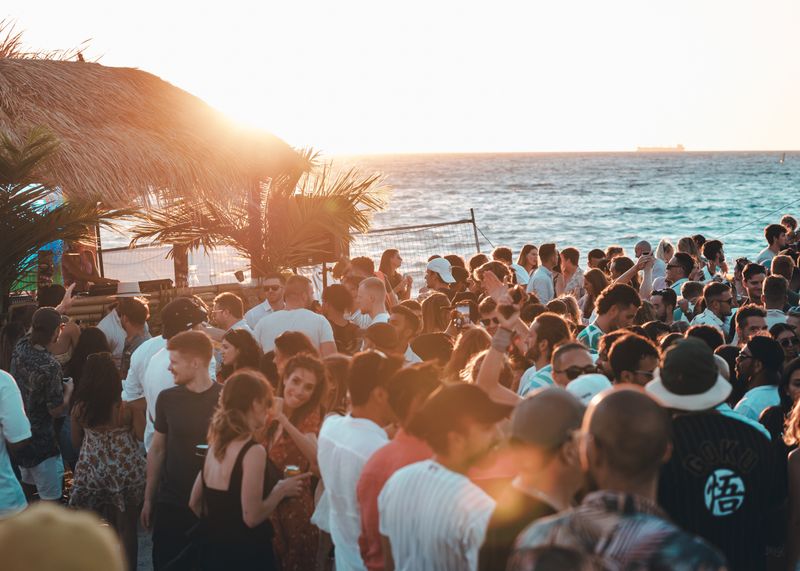
Games and Activities for All Ages
A Fiji Day party should feel active and communal, not just a sit-down dinner. Include activities that draw on Fijian culture and keep guests of all ages engaged.
Set up a coconut bowling station: line up empty coconut shells (or brown plastic bottles) and let guests roll a coconut to knock them down. It sounds simple, but it becomes genuinely competitive and hilarious. For children, a treasure hunt with clues about Fiji (find the island on a map, name the capital, identify a Fijian word) keeps them entertained while teaching them about the culture.
If you are outdoors, organize a touch rugby game. Rugby is Fiji's national sport, and the Fijian Sevens team is legendary on the world stage. Even a casual touch game in the backyard connects your party to one of Fiji's proudest cultural touchstones. For a more relaxed option, set up a area for card games and dominoes, which are popular at Fijian social gatherings.
For a creative activity, set up a sarong-tying station with lengths of fabric in Fijian-inspired prints. Teach guests a few different ways to tie a sulu (Fijian sarong) as a skirt, dress, or shawl. It doubles as a party favor and a photo opportunity.
Practical Planning: Budget, Timeline, and Checklist
A successful Fiji Day party comes down to planning. Here is a realistic timeline that works whether you are hosting ten people or fifty.
Two weeks before: Send invitations (digital is fine), confirm your guest count, and start ordering specialty items like kava root powder, masi cloth, or tropical flower arrangements. Book any caterers or helpers if needed.
One week before: Do your main grocery shopping. Buy non-perishables, beverages, and frozen items. Start marinating any meats that benefit from long marination. Prepare your decor items and test your lighting.
Three days before: Pick up fresh flowers and any perishable ingredients. If you are doing a lovo-style feast, this is the day to dig the pit and gather your stones and banana leaves. If using a conventional oven, finalize your cooking schedule.
One day before: Set up tables, chairs, and decor. Prepare any dishes that can be made ahead and refrigerated. Charge your speaker, download your playlist, and do a final inventory check.
Day of: Start cooking by mid-morning. Set up the kava station and bar. Arrange food on the table thirty minutes before guests arrive. Have your welcome speech or introduction ready, and remember to start with a moment of gratitude for the land and the people, in true Bula spirit.
Budget guide (for 20 guests): Food and drink typically runs $200 to $400 depending on whether you source specialty Fijian ingredients or substitute with local options. Decor and supplies run $50 to $100. Kava and specialty drinks run $30 to $60. Music and entertainment are free if you use streaming playlists. Total: $280 to $560, or about $14 to $28 per person, which is excellent value for a full cultural celebration.

Fiji-Inspired Menu Variations for Different Gatherings
Not every Fiji Day party needs a full lovo feast. Here are menu variations scaled to different types of gatherings, so you can celebrate regardless of your venue or headcount.
Potluck-style community gathering: Assign each family a category: one household brings kokoda, another brings a curry, someone else handles dessert. Provide the rice and a shared protein as the host. This is the most authentic approach because it mirrors how village celebrations actually work in Fiji, with everyone contributing.
Office or workplace celebration: Scale down to a lunchtime spread. Order a Fiji-themed catering tray with chicken curry, palusami (if available from a local Pacific Islander caterer), tropical fruit platter, and coconut rice. Decorate the break room with blue and green table covers and play Fijian music softly. Keep it simple but intentional.
Children's Fiji Day party: Focus on the fun. Serve fish and chips (a nod to Fiji's British colonial history and seaside location), tropical fruit punch in coconut cups, and a Fijian-flag cake. Activities include coconut bowling, flag coloring, and a treasure hunt. Keep the kava station for adults only.
Formal evening dinner: Create a three-course menu: kokoda as the starter, lovo-style chicken and root vegetables as the main, and cassava cake with coconut ice cream for dessert. Pair each course with a thoughtfully chosen drink. This format works beautifully for smaller groups of eight to twelve who want to experience Fijian cuisine in depth.
FAQ: Your Fiji Day Party Questions Answered
Is kava safe to drink? Kava has been consumed in Fiji for centuries and is legal in most countries. It produces a mild calming effect and slight mouth numbness. It is not intoxicating. However, it can interact with certain medications and should not be consumed by pregnant women or people with liver conditions. Always buy kava from reputable suppliers who test for quality.
Where can I find Fijian ingredients? Look for Pacific Islander grocery stores in cities with significant Fijian diaspora communities. Many ingredients like taro, cassava, and coconut cream are available at regular Asian markets. Kava root powder can be ordered online from certified kava vendors. If you cannot find an ingredient, there is almost always a reasonable substitute.
Can I celebrate Fiji Day if I'm not Fijian? Absolutely, and Fijians would welcome you with open arms. The Bula spirit is about sharing culture, not gatekeeping it. The key is to approach the celebration with genuine respect, learn about the history, and avoid reducing it to stereotypes. Share what you have learned with your guests so the cultural context is part of the experience.
What if I can't do a lovo pit? The conventional oven method described above produces excellent results. The key is the banana leaf wrapping and the low, slow cooking time. You lose the smokiness of the earth oven, but the tenderness and flavor are very close.
How do I make the party feel authentically Fijian, not just generic tropical? The difference is in the details. Use Fijian words (bula for hello, vinaka for thank you). Play actual Fijian music, not just generic island sounds. Tell the story of Fiji's independence. Include Fiji-Indian elements alongside iTaukei ones. These small choices signal that you are celebrating a specific culture, not a vague tropical fantasy.
Celebrate the Bula Spirit
A Fiji Independence Day party is more than a themed gathering. It is an act of cultural preservation, a bridge between islands and diaspora, and a genuinely wonderful way to spend a Saturday in October. The Bula spirit, that open-armed welcome that makes every visitor to Fiji feel like family, is the through-line of every element we have discussed: the communal lovo feast, the kava ceremony, the meke dance, and the simple act of gathering people you love around a table set with intention.
As you plan your celebration, remember that the most important ingredient is not the kava or the kokoda or the perfect playlist. It is the willingness to open your home and share something meaningful. The Fijians have a saying: na cauravou e sega na doodoo, the youth will never fail, a reminder that community and continuity go hand in hand. Your Fiji Day party is part of that continuity.
When you are ready to stock up on party supplies, explore our complete party tableware collection for plates, napkins, and cups in every color of the Fijian flag. For tropical-themed decor, browse our beach theme party collection, and do not forget goodie bags for your Fijian-themed party favors. Vinaka vaka levu, and happy Fiji Day.