


Germany Unity Day 2026 Party Ideas: How to Celebrate German Reunification

On October 3, 2026, Germany will mark the 36th anniversary of reunification—a historic day when East and West Germany became one nation again after decades of Cold War division. While Germany Unity Day (Tag der Deutschen Einheit) is the country's official national holiday, its message of unity, freedom, and democratic triumph transcends borders. Whether you have German heritage, love the culture, or simply want an excuse to throw an unforgettable autumn party, this guide gives you everything you need to host a Germany Unity Day celebration that your guests will talk about for months.
What Is Germany Unity Day? A Brief History
Germany Unity Day, known in German as Tag der Deutschen Einheit, commemorates the reunification of Germany that took place on October 3, 1990. This date marks the moment when the German Democratic Republic (East Germany) officially joined the Federal Republic of Germany (West Germany), ending nearly 45 years of division that began after World War II.
The division of Germany was a direct consequence of the post-war geopolitical landscape. After Nazi Germany's defeat in 1945, the Allied powers—the United States, the Soviet Union, Britain, and France—divided Germany into four occupation zones. The capital city of Berlin, though located deep in the Soviet-controlled east, was similarly partitioned. As Cold War tensions escalated, the Western zones merged in 1949 to form the Federal Republic of Germany (Bundesrepublik Deutschland), while the Soviet zone became the German Democratic Republic (Deutsche Demokratische Republik).
The Berlin Wall, erected on August 13, 1961, became the most powerful symbol of this division. It physically and ideologically separated families, friends, and an entire nation. For nearly three decades, East Germans lived under a communist regime, while West Germans built a thriving democratic society and one of the world's strongest economies.
Everything changed on November 9, 1989, when the Berlin Wall fell amid massive peaceful protests. Less than a year later, on October 3, 1990, East Germany formally acceded to West Germany under Article 23 of the West German constitution. This date was deliberately chosen because it offered warm autumn weather ideal for outdoor celebrations, unlike November 9, which coincided with darker historical anniversaries. Since then, Germans have celebrated Unity Day as a public holiday with festivals, public ceremonies, and cultural events across the country.
Why Germany Unity Day Matters in 2026
Unity Day 2026 arrives at a time when the values it represents—unity, freedom, and democracy—remain deeply relevant. The 36th anniversary offers a chance to reflect on how far Germany has come and how the lessons of reunification still resonate globally. For party hosts outside Germany, the day provides a rich cultural theme: German food is beloved worldwide, German beer culture is legendary, and the country's aesthetic—black, red, and gold—lends itself beautifully to festive decor.
Beyond the surface appeal, hosting a Unity Day party is an opportunity to educate and entertain simultaneously. You can weave historical context into your celebration without it feeling like a history lesson. German trivia, food tastings, and cultural games make the experience interactive and memorable. Plus, the early October timing is perfect for a seasonal gathering—crisp autumn weather, harvest-inspired menus, and cozy outdoor settings all work beautifully for a German-themed party.
Germany Unity Day Party Decorations
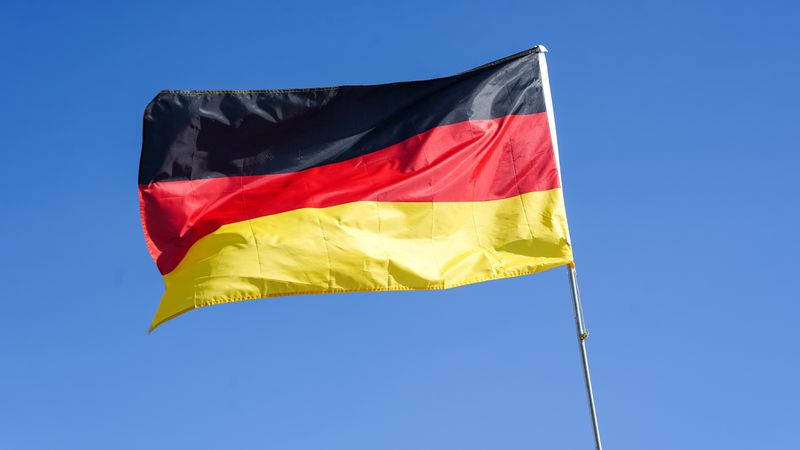
The foundation of any great themed party is the decor, and Germany Unity Day gives you a ready-made color palette: black, red, and gold. These are the colors of the German flag (Schwarz-Rot-Gold), and they appear everywhere on Unity Day across Germany.
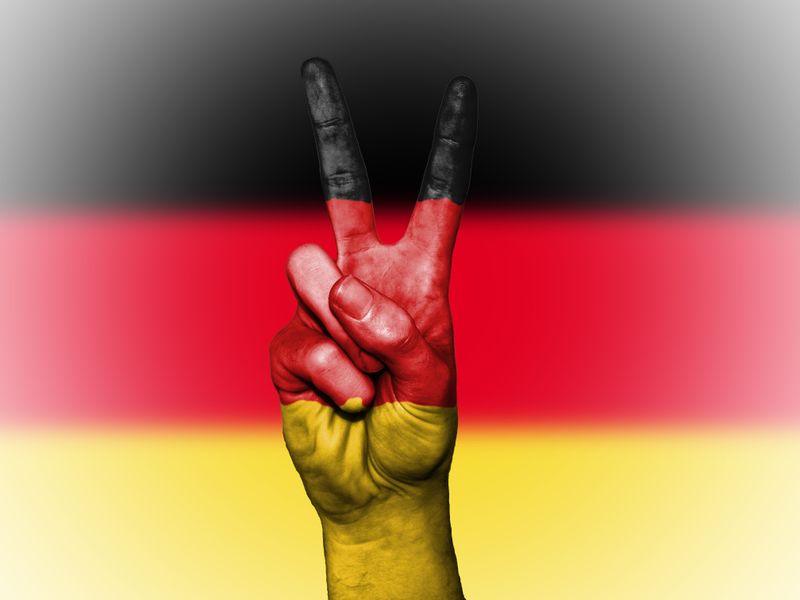
Start with the basics: drape German flags across walls, fences, or your party tent. You can find a wide range of national flag party supplies to cover everything from bunting and banners to flag-themed plates and cups. Black, red, and gold streamers add dimension and movement to your space, especially if you are hosting outdoors where a breeze can make them dance throughout the afternoon.
For table settings, use solid-colored tablecloths in black, red, and gold, layering them for visual interest. Quality party tableware in these colors will tie your food spread into the theme seamlessly. Consider using German flag napkins, flag-toothpick flags for hors d'oeuvres, and even mini German flags as centerpieces. German-themed balloons—either in flag colors or shaped like the flag itself—create instant festive energy when grouped in clusters of five or more.
Do not forget the lighting. String warm amber lights along fences or pergolas to evoke the golden glow of German Christmas markets, which also begin their season around this time. Lanterns in black, red, and gold can double as table centerpieces. If your party extends into the evening, consider a small bonfire or fire pit—Germany has a strong outdoor gathering culture, and a fire creates a natural focal point for conversation and warmth as the autumn air cools down.
Traditional German Food for Your Unity Day Party
No German party is complete without a generous, hearty food spread. German cuisine is comfort food at its finest—rich, flavorful, and built for sharing. Here are the essential dishes to serve at your Unity Day celebration.
Must-Have German Party Dishes
Bretzeln (Pretzels): These iconic twisted breads are a party staple. Serve both traditional soft pretzels and the smaller, crunchier variety. You can set up a pretzel bar with mustard, beer cheese, and obatzda (a Bavarian cheese spread) for dipping. Fresh soft pretzels are best served warm and can be made ahead of time and reheated briefly before guests arrive.
Bratwurst: Grill fresh bratwurst and serve them in crusty rolls with mustard. This is the quintessential German street food and will be the centerpiece of your food table. Aim for two to three different sausage varieties—bratwurst, weisswurst (white sausage, traditionally eaten before noon), and currywurst (sausage with curry ketchup) give guests meaningful options to compare.
Schnitzel: Breaded and pan-fried pork or veal cutlets are a crowd-pleaser. Cut them into bite-sized strips for easy party eating, and serve with lemon wedges. Pork schnitzel is more affordable and equally delicious compared to the traditional veal version.
Kartoffelsalat (Potato Salad): Every German region has its own version, but a warm potato salad with bacon, vinegar, and oil dressing is universally beloved. It is easy to make in large batches and pairs perfectly with sausages and schnitzel. Make it the day before—German potato salad actually tastes better after resting overnight.
Sauerkraut and Rotkohl: These two cabbage dishes—one tangy and fermented, the other sweet and braised—provide essential acidity and color contrast to the rich meats. They are also naturally vegetarian-friendly options that round out your menu for non-meat eaters.
Black Forest Cake (Schwarzwälder Kirschtorte): For dessert, this chocolate, cherry, and whipped cream layer cake is a German classic that looks as impressive as it tastes. Apfelstrudel (apple strudel) and Berliner Pfannkuchen (German doughnuts) are also excellent choices that give your dessert table variety.
Regional German Food Variations
One of the most fascinating aspects of German cuisine is how dramatically it varies by region. If you want to make your Unity Day party authentically educational, offer dishes from different parts of the reunited nation:
Bavaria (Bayern): Southern German food is what most people picture when they think of German cuisine. Think massive pretzels, roast pork shoulder (Schweinshaxe), dumplings (Knödel), and the famous Weißwurst breakfast. Bavarian dishes tend to be the most hearty and meat-forward, often served with rich gravies and butter-based sides.
Berlin: The capital region is known for Currywurst—sausage sliced and smothered in a spiced curry-ketchup sauce—plus Berliner doughnuts and Königsberger Klopse (meatballs in caper cream sauce). Berlin food reflects the city's history as a crossroads of cultures, with dishes that are hearty but often have surprising flavor notes from Eastern European and Jewish culinary traditions.
Hamburg and the North: Northern German cuisine features more seafood, including pickled herring (Bismarckhering), fish rolls (Fischbrötchen), and Labskaus—a mashed corned beef and potato dish that is a Hamburg classic. The north also favors lighter, less spiced preparations, reflecting its proximity to the sea and Hanseatic trading history.
Rhine Region (Rheinland): The Rhineland is famous for Sauerbraten (pot roast marinated in vinegar), Himmel und Erde ("heaven and earth," a dish of mashed potatoes and applesauce with blood sausage), and Rüdesheimer coffee with brandy. These dishes tend to balance sweet and sour flavors in ways that reflect the region's wine-making tradition.
Saxony and the East: Eastern German specialties include Quarkkäulchen (sweet cheese patties), Leipziger Allerlei (a mixed vegetable dish), and Eierschecke (a layered cake similar to cheesecake). The east also maintains a strong baking tradition with hearty dark breads that are harder to find in the west but are deeply tied to regional identity.
German Drinks and Beverages for Unity Day
German beverage culture is world-renowned, and your Unity Day party bar should reflect that. Here is what to stock:
German Beer: The star of any German gathering. Offer a selection that includes Pilsner (crisp and hoppy), Weißbier (wheat beer, cloudy and refreshing), Helles (a light Munich lager), and Kölsch (a hybrid style from Cologne). If you can find them, serve them in proper German glassware—each style traditionally has its own glass shape. Set up a beer tasting station with small sample glasses so guests can compare styles side by side.
Glühwein (Mulled Wine): While traditionally associated with Christmas markets, warm spiced wine fits perfectly with the autumn timing of Unity Day. Make a large batch ahead of time and keep it warm in a slow cooker throughout the party. Add a splash of rum or amaretto for an extra kick, and garnish with orange slices and cinnamon sticks.
Apfelschorle: This simple but addictive drink—apple juice mixed with sparkling water—is one of the most popular non-alcoholic beverages in Germany. It is refreshing, less sweet than straight juice, and something both kids and adults can enjoy. Stock sparkling water and apple juice separately and let guests mix their own preferred ratio.
German Wine: Germany produces excellent white wines, particularly Riesling and Gewürztraminer. Riesling spans from bone-dry (trocken) to lusciously sweet, so offer both styles. For red wine, look for Spätburgunder (Pinot Noir), which is lighter and fruitier than French or American versions and pairs beautifully with schnitzel and sausages.
Non-Alcoholic Options: Besides Apfelschorle, serve Spezi (cola mixed with orange soda—a German favorite), Club Mate (an iced yerba mate caffeinated drink popular in Berlin's tech and creative scenes), and a selection of German fruit teas for a warm, caffeine-free option that younger guests especially appreciate.
Germany Unity Day Games and Activities
Keep your guests entertained with activities that celebrate German culture while being genuinely fun. Here are party-tested ideas:
German Trivia Challenge: Create a trivia game with questions about German history, geography, food, and culture. Cover topics like the fall of the Berlin Wall, famous German inventors and scientists, regional food specialties, and German-speaking celebrities. Divide guests into teams and offer German-themed prizes—like German chocolate bars or mini pretzels—for the winning team. This is one of the easiest ways to add an educational element without anyone noticing they are learning.
Maßkrugstemmen (Beer Stein Holding Contest): A classic Bavarian strength contest. Participants hold a full one-liter beer stein (Maßkrug) at arm's length. The last person who keeps their arm extended wins. The rules are simple: arm must be fully extended, elbow locked, and the stein must stay level. This is harder than it sounds—a full liter stein weighs about 2.3 kg (5 pounds) and even fit arms start shaking within minutes.
Pretzel Tying Race: Give guests strips of dough (or for simplicity, thick rope or yarn) and challenge them to tie a pretzel shape as fast as possible. Time the contest and judge results on both speed and accuracy. You can also try pretzel-shaped ring toss with wooden pegs for a variation that requires less dexterity.
German Music Playlist and Polka Dance-Off: Build a playlist that mixes modern German music with traditional polka and folk songs. Include artists like Nena (of "99 Luftballons" fame), Rammstein for the bold, and classic Oktoberfest polka tunes. Teach guests a basic polka step and host a friendly dance competition. The key is keeping it lighthearted—most people will be terrible at polka, which is half the fun.
Berlin Wall Photo Booth: Set up a photo booth with a faux Berlin Wall backdrop (you can paint or print brick texture on cardboard). Provide props: German flags, pretzels, beer steins, lederhosen, dirndls, and Cold War-era accessories like spy hats. Guests can take photos that double as party favors they will keep and share.
German Words Charades: Write common German words on cards (Brot, Bier, Ferien, Krankenhaus, etc.) and play charades. This is surprisingly hilarious because the exaggerated gestures needed to convey "hospital" or "vacation" are universally funny, regardless of whether anyone at the party actually speaks German.
How to Host a Unity Day Party for Kids
If children will be part of your Unity Day celebration, plan activities that keep them engaged while still honoring the theme. German culture offers plenty of kid-friendly options:
Decorate Your Own Pretzel: Set up a station where kids can shape pretzels from pre-made dough. After baking, let them decorate with different toppings—cinnamon sugar, chocolate drizzle, or classic salt. This combines a craft, a snack, and a cultural lesson in one activity that keeps little hands busy for a solid thirty minutes.
German Folk Tales Storytime: Germany is the home of the Brothers Grimm. Read or tell stories like "Hansel and Gretel," "Rumpelstiltskin," or "The Bremen Town Musicians." For older kids, share the actual Grimm versions, which are darker and more fascinating than the Disney adaptations. You can even set up a themed craft—like building a gingerbread house inspired by Hansel and Gretel.
Flag Painting Station: Give kids black, red, and gold paint and large sheets of paper to recreate the German flag. This is simple, age-appropriate, and gives them a take-home craft. For a twist, let them paint their own family "coat of arms" using the German flag colors as a starting palette.
Sack Race and Egg-and-Spoon Race: These traditional German festival games (Sackhüpfen and Löffellaufen) are staples at German children's parties and school festivals. Set up a mini obstacle course in your yard and award small German-themed prizes like marzipan or Haribo gummy bears (a German invention).
Non-Alcoholic Bier Tasting: Create a "beer tasting" for kids using different types of apple juice (sparkling, still, cloudy, spiced). Serve them in small stein-shaped cups so they feel included in the adult beverage culture without any actual alcohol. This is a great way to make kids feel special and involved in the festivities.
For the kids' food table, offer German classics in kid-friendly portions: mini pretzels, chicken nuggets shaped like schnitzel, soft pretzel bites with cheese dip, and German chocolate cookies. Keep it familiar enough that picky eaters will not go hungry, but German enough that the theme carries through the entire event.
Germany Unity Day Party Planning Timeline
A well-organized party does not happen by accident. Here is a practical timeline that takes you from four weeks out to party day:
4 Weeks Before: Send invitations with the German flag motif. Decide on your menu and start collecting recipes. If you are ordering specialty items like authentic German sausages, Weißbier, or Black Forest cake ingredients, place orders now—German specialty stores often need advance notice. Create a guest list and plan for about 20% more food than you think you will need—German food is generous by nature, and your guests will eat more than expected.
3 Weeks Before: Order your decorations and party supplies. Check your inventory of serving dishes, platters, and utensils. If you need additional tableware, this is the time to stock up. Plan your music playlist and create a backup in case of technical issues. Confirm RSVPs and adjust your food quantities accordingly.
2 Weeks Before: Start shopping for non-perishables—German chocolate, pretzel mix, sauerkraut, pickles, mustard, and beer. If you are making decorations yourself, begin now. Test any games or activities that require setup, like the photo booth or trivia cards. Draft a rough schedule for the day so you know when each activity happens and can flow smoothly from one to the next.
1 Week Before: Deep clean your party space. Arrange furniture to create distinct zones: a food area, a drinks station, a game area, and a seating lounge. Start prepping anything that can be made ahead—potato salad actually improves after a day in the fridge, and sauerkraut reheats beautifully. Buy fresh ingredients that will keep, like onions, cabbage, and potatoes.
3 Days Before: Final grocery run for fresh items: sausages, meat for schnitzel, fresh bread rolls, herbs, and perishable dessert ingredients. Marinate Sauerbraten if you are making it. Prepare the trivia questions and print game materials. Set up the photo booth backdrop and test the lighting to avoid day-of surprises.
Party Day: Start cooking early. Schnitzel can be breaded in the morning and fried just before serving. Set up the bar station first—this ensures guests have something to drink the moment they arrive. Arrange food in a logical flow: plates at one end, mains in the middle, sides and desserts at the far end. Put on your playlist twenty minutes before guests arrive so the atmosphere is set. Most importantly, once guests arrive, step away from the kitchen and enjoy the party you have built.

FAQ: Germany Unity Day Party Questions
What is Germany Unity Day?
Germany Unity Day (Tag der Deutschen Einheit) is the German national holiday celebrated annually on October 3. It commemorates the reunification of East and West Germany on October 3, 1990, when the German Democratic Republic officially joined the Federal Republic of Germany, ending nearly 45 years of post-war division.
Is Germany Unity Day the same as Oktoberfest?
No. Oktoberfest is a folk festival that originated in Munich, Bavaria, typically running from mid-September to early October. Germany Unity Day is a national holiday celebrating reunification. However, the timing overlaps, and many people incorporate Oktoberfest-style elements—like beer steins, pretzels, and Bavarian food—into their Unity Day parties since the cultural associations are familiar and festive.
What colors should I use for Germany Unity Day decorations?
Use the German flag colors: black, red, and gold (Schwarz-Rot-Gold). These three colors appear on the German national flag and are the official colors of Unity Day celebrations. They work beautifully for party decor because gold adds warmth and elegance, red brings energy, and black provides contrast and grounding.
What should I cook for a Germany Unity Day party?
The essentials are pretzels, bratwurst, sauerkraut, potato salad, and a German dessert like Black Forest cake or apple strudel. Add variety with regional dishes—try Bavarian dumplings, Berlin-style currywurst, or Rhineland Sauerbraten. Do not forget German beverages: Pilsner, Weißbier, Riesling, and Apfelschorle for non-drinkers.
Can I celebrate Germany Unity Day if I am not German?
Absolutely. Unity Day's message of unity, peace, and overcoming division is universal. Many people around the world celebrate cultural holidays that are not from their own heritage—St. Patrick's Day, Cinco de Mayo, and Bastille Day are all widely celebrated outside their countries of origin. Germany Unity Day offers the same opportunity to learn, appreciate German culture, and have a great party.
Where can I buy German party supplies?
You can find German flag decorations, themed tableware, and national flag party supplies online from specialty retailers. Look for complete party kits that include plates, cups, napkins, and banners in German flag colors to save time and ensure a coordinated look across your entire celebration.
How many people should I invite to a Unity Day party?
German parties tend to be generous in spirit, so invite as many as your space comfortably holds. For a sit-down meal, plan for 8 to 12 guests. For a buffet-style party with standing room and outdoor space, 20 to 30 guests works well. German food scales easily—just add more sausages and pretzels, and no one goes hungry.
Start Planning Your Germany Unity Day Party
Germany Unity Day on October 3, 2026, is your chance to throw a party that is more than just a gathering—it is a celebration of unity, culture, and the enduring human spirit. With the right decorations, authentic German food, engaging games, and thoughtful planning, your Unity Day party will be an event your friends and family remember for years.
Ready to start? Head over to Grencian's national flag party supplies for German flag decorations, bunting, and themed tableware. Pair them with quality party tableware from Grencian to set the perfect table for your Unity Day feast. With the right supplies and a little planning, your Tag der Deutschen Einheit celebration will be one for the history books.