


Malaysia Day Party Ideas 2026: How to Celebrate Merdeka Spirit

Every September 16, Malaysians come together to mark Hari Malaysia — the day in 1963 when the Federation of Malaya, Sabah, Sarawak and Singapore joined to form the nation of Malaysia. In 2026, Malaysia Day falls on Wednesday, September 16, and with the main Merdeka Day celebrations (August 31) now behind you, the quieter, more intimate Hari Malaysia holiday is the perfect excuse to gather friends and family for a celebration of unity, flavor and color. If you start planning now, you can pull together an unforgettable gathering before the date sneaks up on you — and this guide walks you through every detail, from the flag colors on your table to the music on your speakers.
What makes Malaysia Day special is its celebration of diversity: Malays, Chinese, Indians, Kadazan-Dusun, Iban, Bidayuh, Orang Asli and dozens of other communities all call Malaysia home. That richness is exactly what makes it such a great theme for a party. You don't need a single rigid theme — instead, you weave together the cultures, foods and traditions that make the country what it is. Whether you live in Malaysia, have Malaysian roots, or simply love the food and culture, a Hari Malaysia gathering is warm, welcoming and full of meaning.
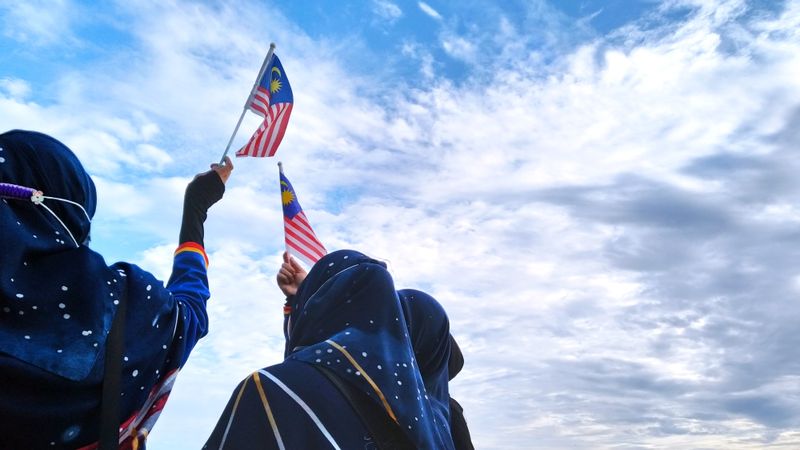
Why Plan a Malaysia Day Party Now
September 16 is only about a month away, and the smartest hosts start early for three reasons. First, it gives you time to source the right tableware and decorations in the national colors — red, white, blue and yellow — before stores sell out closer to the date. Second, many of the best food and decor ideas need advance prep: marinating meat for satay, soaking rice in coconut milk for nasi lemak, or ordering traditional desserts. Third, if you want to invite neighbors, coworkers or a large extended family, an early save-the-date gives everyone time to clear their calendar for a mid-week holiday.
There is a genuine joy in throwing a celebration that reflects a whole nation. A Malaysia Day party can be as simple as a backyard cookout with friends or as elaborate as a cultural potluck where every guest brings a dish from a different Malaysian region. Either way, the effort you put into planning now pays off in a relaxed, enjoyable event on the day itself.
Setting the Scene: Flag Colors and Decor Ideas
The Malaysian flag — the Jalur Gemilang (Stripes of Glory) — provides the natural palette for your decor: 14 red-and-white stripes, a dark blue canton, and a yellow crescent and star. Build your tablescape around these four colors and you instantly evoke a national celebration. Start with a clean table runner or tablecloth, then layer in disposable plates, napkins and cups in red, white and blue with yellow accents. Because the holiday is about unity, mixing patterns and textures from different cultural traditions is not only acceptable — it is the point.
For the centerpiece, gather small Malaysian flags on sticks and cluster them in a jar, or create a simple flag garland across the serving table. Balloons in red, white, blue and yellow add festive height, while a printed "Selamat Hari Malaysia" banner sets the tone in both Malay and English so every guest feels included. If you are hosting outdoors, string up bunting between trees or fence posts and add a few paper lanterns for evening warmth. You can find plenty of ready-made patriotic decor in our national flag party supplies collection to make this effortless.
Don't stop at the flag, though — celebrate the cultural mix. Add batik-style tablecloths or cushions, place a small gong or replica keris as a talking point, and let each region of Malaysia inspire a corner of the room. A tiny display with photos of Kuala Lumpur's Petronas Towers, Mount Kinabalu in Sabah and the longhouses of Sarawak can spark great conversations and remind guests why this nation of so many cultures works so well together.

Food and Drink: A Taste of Malaysia
The heart of any Malaysia Day celebration is the food. Malaysia is famous for its hawker culture, where hundreds of dishes coexist on the same street — and you can capture that spirit at home with a spread that lets guests sample widely. Here is a menu that covers the essentials without requiring days in the kitchen.
The Centerpiece: Nasi Lemak
Often called Malaysia's national dish, nasi lemak is fragrant rice cooked in coconut milk and pandan leaves, served with sambal (chili paste), crispy anchovies, roasted peanuts, cucumber slices and a hard-boiled or fried egg. It is naturally impressive and endlessly customizable. For a party, set up a "nasi lemak bar" where guests build their own plates from a base of coconut rice and choose their toppings — sambal, fried chicken, rendang, cucumber, peanuts and eggs. This self-serve format keeps the buffet moving and accommodates spice preferences from mild to fiery.
Satay and Skewers
Grilled chicken or beef satay with a rich peanut sauce is a crowd favorite that works beautifully outdoors. Marinate the meat the night before, grill in batches, and keep the peanut sauce warm in a slow cooker. Serve with ketupat (compressed rice cakes) or sliced cucumber and red onion.
Rendang
For something hearty, slow-cooked beef rendang is a celebration classic. It takes time, so make it a day or two ahead — it actually tastes better after resting. Serve it alongside the rice bar or as part of a mini rice table (nasi padang style).
Kuih and Desserts
No Malaysian feast is complete without kuih — the colorful bite-sized sweets made from rice flour, coconut and palm sugar. Look for ondeh-ondeh (green glutinous balls filled with liquid palm sugar), kuih lapis (layered steamed cake) or pulut hitam (black glutinous rice pudding). Many are easier to buy from a Malaysian bakery or online shop than to make from scratch, so plan ahead.
Drinks
Offer a mix of cool tropical drinks: iced teh tarik (pulled tea) is iconic, as is fresh calamansi or lime juice, and coconut water. For adults, add an option like a rum-based punch garnished with lime, or keep it alcohol-free and festive with sparkling water and tropical fruit syrups. Whatever you choose, remember that Malaysia is a majority-Muslim country where alcohol is commonly absent from celebrations — a fully non-alcoholic spread is both authentic and inclusive.
Plating and Serving Tips for a Buffet
Because a Malaysia Day spread is colorful and generous, a little attention to presentation goes a long way. Use a long table so guests can move down the line without crowding, and place the rice and proteins at one end and the lighter sides, salads and desserts at the other. Label each dish with its name — and its spice level — so guests can navigate confidently. Stack extra plates and cutlery at both ends of the table to avoid bottlenecks, and keep serving utensils in every dish so nothing gets mixed. If you are using disposable tableware, choose sturdy plates that can handle saucy rendang and sambal without leaking, and keep napkins plentiful.
For disposable plates, cups and cutlery that make clean-up quick while still looking festive, browse the patriotic party supplies collection.
Games and Activities for All Ages
A Malaysia Day gathering is about togetherness, so choose activities that get people talking and laughing across generations.
Malaysia Trivia and Quiz
Prepare a simple quiz about Malaysia — the meaning of the flag's colors, the year of independence, the highest mountain, traditional foods from each state. Teams of guests answer, and the winners take home a small prize. This is a gentle, fun way to honor the occasion's meaning without turning the party into a lecture.
Cultural Show-and-Tell
Invite guests to bring something that represents their heritage or a region of Malaysia — a dish, a piece of fabric, a photo, a song. Go around the table and let each person share a short story. This activity transforms the party from a meal into a shared memory and is especially touching for multicultural families.
Lantern Making or Coloring Corner
For children (and craft-loving adults), set up a table with paper lanterns to decorate, or flag coloring sheets featuring the Jalur Gemilang. Simple, quiet and keeps younger guests engaged while the adults chat.
Music and Karaoke
Compile a playlist of Malaysian hits across eras — traditional zapin and joget tunes, 90s pop classics, and modern songs. If you have a karaoke setup, Malaysian karaoke is famously joyful, and guests will happily take turns. Dancing to joget or a modern beat is a natural way to close out the evening.
Scavenger Hunt
For larger parties, hide small Malaysian-themed items (miniature flags, food tokens) around the venue and send teams out on a timed hunt. It gets everyone moving and adds a playful competitive edge.
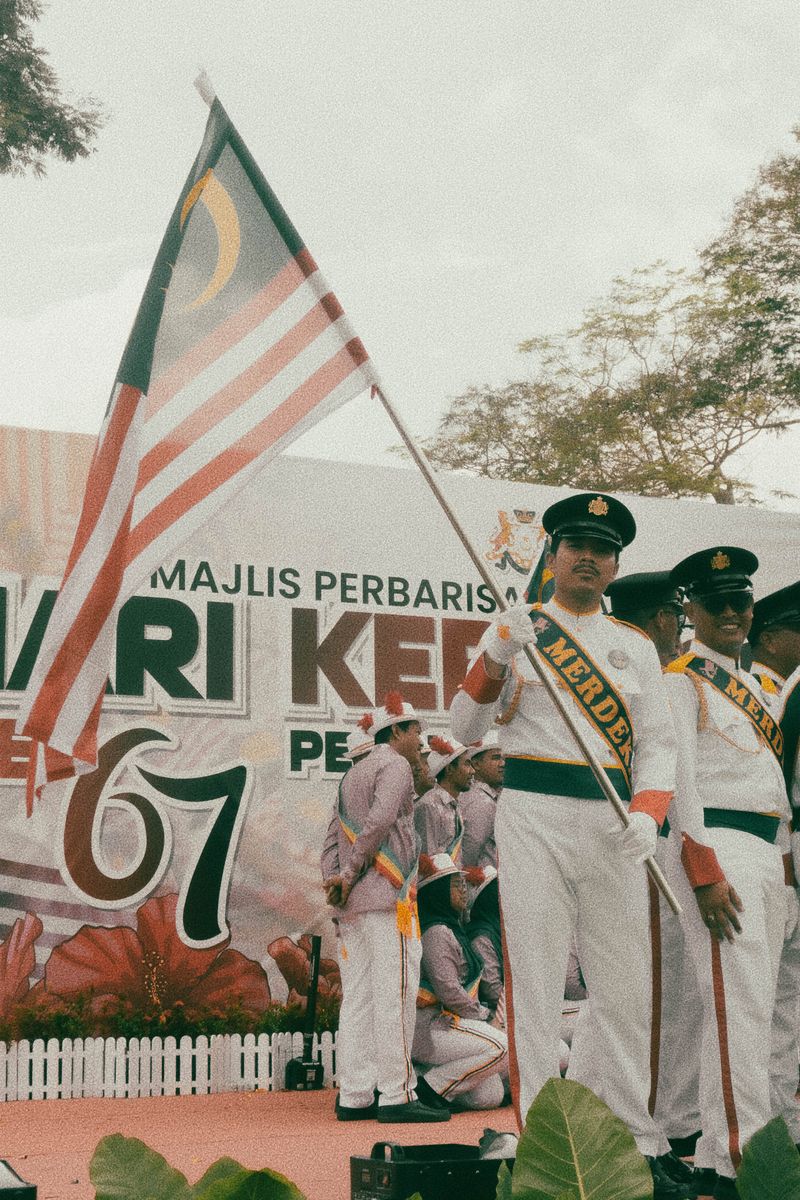
Regional Variations: Honoring Sabah and Sarawak
One of the most meaningful ways to celebrate Malaysia Day is to give a nod to East Malaysia — the states of Sabah and Sarawak on the island of Borneo, whose joining in 1963 is at the heart of the holiday's meaning. If your guests include anyone with roots there, or you simply want to celebrate the whole country, incorporate a few East Malaysian touches.
In Sarawak, you might feature a traditional bamboo rice (lemang) or a local stir-fry, and mention the state's iconic hornbill. In Sabah, highlight Kinabalu National Park or a local delicacy like hinava (a tangy raw fish salad). Visually, you could add a small display of Bornean crafts — woven rattan or beadwork patterns — beside your main flag decor. For food, consider adding a Satay-style grilled option alongside a Bornean-style spiced dish to show both sides of the country on one table. This small gesture carries real meaning on a holiday that is fundamentally about how different regions chose to come together.
Adapting the Party for Different Age Groups
A Malaysia Day gathering works beautifully for mixed ages, but a few tweaks help everyone enjoy it. With young children, keep the spicy food on one labeled side of the table, set up a coloring or lantern-decorating corner, and schedule short, simple activities like a flag quiz with picture clues rather than long games. With teenagers, lean into the music — let them curate a modern Malaysian playlist — and add a competitive scavenger hunt or trivia with a prize to keep energy high. For older guests and grandparents, create comfortable seating away from the loudest music, and include slower, conversational activities like the cultural show-and-tell so they feel central rather than sidelined. If your crowd spans all three, the best approach is a rhythm of activities: a lively game, then a quieter food-and-story break, then another game — so no age group is left out for long.
Practical Planning: Budget, Timeline and Checklist
Keeping the party organized is the difference between a joyful gathering and a stressful one. Here is a realistic plan.
Budget Breakdown
- Decorations and tableware: 25% — flags, balloons, banner, plates, napkins, cups.
- Food and drink: 50% — the biggest line item, especially if feeding a crowd.
- Activities and prizes: 10% — quiz prizes, craft supplies, small gifts.
- Music and lighting: 5% — playlist is free, but speakers or lanterns may need a purchase.
- Contingency: 10% — extra food, disposable tablecloths, unexpected needs.
For a gathering of about twenty guests, a comfortable total budget lands between a simple low-cost potluck (where guests each bring a dish) and a fully catered affair. Decide your format first, then scale the decor and food accordingly.
Timeline (Work Backward from September 16)
- Three weeks out (late August): Choose the date, send save-the-dates, decide on format (buffet vs potluck), and order tableware and flags.
- Two weeks out (early September): Finalize the menu, assign dishes if it is a potluck, and gather playlist and activity materials.
- One week out: Shop for fresh ingredients, prep any dishes that freeze well, and confirm RSVPs.
- Two to three days before: Marinate meats, make rendang and kuih, and set up the decor area.
- Day before: Cook the rice bases, chill drinks, and do a final clean and layout.
- Day of: Cook and grill fresh items, set out the food bar, and enjoy.
Party-Day Checklist
- Flag garlands and banner hung
- Tables set with plates, napkins, cups and cutlery
- Nasi lemak bar assembled with all toppings
- Satay and rendang ready with sauces
- Kuih and desserts displayed
- Drinks chilled with ice on hand
- Quiz questions printed and prizes ready
- Playlist queued on speakers
- Trash and recycling bins positioned
- Camera or phone ready for group photos
Safety Notes for Outdoor and Food-Heavy Parties
If you are grilling satay or hosting outdoors, a few sensible precautions keep everyone safe and comfortable. Keep the grill away from tables and children, have a fire extinguisher or bucket of water nearby, and never leave hot coals unattended. With spicy sambal on the table, label dishes by heat level so guests can choose — and keep a non-spicy option for kids and those who avoid chili. Be aware of common allergens, especially peanuts (in satay sauce and nasi lemak), coconut and shellfish, and ask guests ahead of time about allergies if you can. For outdoor events in a tropical climate, provide shade, plenty of water, and mosquito repellent, and consider scheduling heavy activity for cooler parts of the day.
FAQ: Malaysia Day Party Questions
Is Malaysia Day the same as Merdeka Day?
No. Merdeka Day (August 31) commemorates the Federation of Malaya's independence from Britain in 1957, while Malaysia Day (September 16) marks the 1963 formation of the larger Federation of Malaysia when Sabah, Sarawak and Singapore joined. Many Malaysians celebrate both, sometimes across a whole "Merdeka to Malaysia Day" season.
Do I need to include traditional Malay food?
Not exclusively — the beauty of a Malaysia Day party is reflecting the whole country. Include dishes from Malaysian Chinese and Indian traditions too, such as char kway teow, laksa, roti canai or banana leaf rice, if you can.
Can I host Malaysia Day if I am not Malaysian?
Absolutely. Malaysia Day is a celebration of unity and cultural richness that anyone can appreciate. Focusing on the food, music and hospitality is a warm way to honor the occasion.
What if my guests have dietary restrictions?
Plan a mix of meat, seafood and vegetarian dishes, label anything spicy or containing nuts, and always have fruit, rice and a simple vegetable dish on hand so there is always something everyone can eat.
How early should I start planning?
Three to four weeks is comfortable. Start with the guest list and menu, order decor early, and prep anything that can be made ahead to keep the day itself relaxed.
Wrapping Up Your Hari Malaysia Celebration
Malaysia Day is more than a public holiday — it is a reminder that a nation built from many cultures is at its strongest when those cultures celebrate together. By planning now, gathering your friends and family, and filling your table with the flavors of Malaysia, you honor that spirit in the most joyful way possible. Set your flag colors on the table, play some music, and let the warmth of the occasion do the rest. When the night winds down, you will be glad you started a month early. For everything you need to pull it together — from flags to tableware — check our national flag party supplies and patriotic party supplies collections and get your Hari Malaysia celebration started today.