


Space Party Ideas: The Ultimate Guide to an Out-of-This-World Celebration

Why a Space Party Is Out of This World
A space party is the closest thing to a guaranteed win in kids’ birthday planning. Nearly every child goes through a phase of staring at the night sky and deciding they will be an astronaut, and the theme scales beautifully — you can throw it for a third birthday with foam rockets and a bubble “moon walk,” or for a tween sleepover with a galaxy projector and “alien” mocktails. Best of all, space reads as cool to adults too, so it works as a family party, a school event, or a casual summer backyard night under the real stars.
The theme also rewards creativity over cash. A dark room, a few hundred stars, and one glowing planet go a long way, and the food puns write themselves. This guide covers decor, the menu, missions for junior astronauts, a realistic budget, and a few safety notes that matter when the lights go down.
What sets space apart from other kids’ themes is stamina. A pirate party peaks at the costumes; a space party peaks at the launching. The activities scale with attention spans, so a short party and a long one both work, and the decor does double duty as the entertainment. You aren’t competing with the theme — you’re riding it.
Decorating for a Galaxy in Your Living Room
Start by darkening the space. Close blinds, switch off overheads, and let lamps do the work. From there, three cheap moves create the effect: stars on the ceiling, a planet or two, and a light source that mimics deep space.
Peel-and-stick glow stars are the backbone — scatter them across the ceiling and a wall, and they charge under a lamp during setup so they shine once the room dims. Add a couple of hanging planets (foam or inflatable) at different heights, and a foil “moon” balloon as a photo anchor. A star or galaxy projector (the kind that fills a ceiling with drifting nebula light for $20–$40) is the single best upgrade you can make; it turns a bedroom into a planetarium for the length of the party.
For the table, go dark and luminous. A black or deep-blue cloth with silver accents looks instantly cosmic. Scatter a few “moon rocks” (painted gravel or foil-wrapped chocolate) and set the cake on a mirrored tile so it floats. A cardboard “rocket” propped in the corner doubles as decor and a photo prop. Our space party supplies collection carries rocket plates, astronaut cups, and star-shaped confetti that pull the look together without a single DIY craft you don’t have time for.
Rocket Fuel: Space-Themed Food and Drinks
Space food is where the puns carry the theme. Keep portions small and names big. “Moon rocks” are bite-sized brownie or oat-energy balls dusted in cocoa. “Asteroids” are cocktail-meatballs or chickpea bites. “Rocket sandwiches” are pinwheels rolled tight and cut into rounds, then speared with a flag pick. Orange “planets” and grape “satellites” on skewers make a healthy counterpoint to the sugar.
The showstopper is a galaxy dessert. Swirl blue, purple, and black frosting on cupcakes, or layer a “galaxy” punch in a clear bowl: blue sports drink on the bottom, a purple layer floated on top, and scoopable “comet” sherbet dropped in so it fizzes. For a quieter option, freeze-dried “astronaut ice cream” is a hit and needs no cooler — a nice nod to the real thing NASA astronauts eat.
Drinks should glow without caffeine overload. A “nebula lemonade” — regular lemonade with a splash of blue raspberry and a drop of purple — looks interstellar and stays kid-safe. Serve in clear cups so the color shows. Keep plain water obvious and frequent; excited kids forget to drink, especially in a warm backyard.
For tableware that survives the sugar rush, our galaxy birthday party supplies line matches the deep-space palette exactly — handy when you want the table to feel coordinated rather than chaotic.

Missions and Games for Junior Astronauts
Structure the party as a series of “missions” so the energy has somewhere to go. Mission one: build a foam rocket from a toilet-paper tube, paper fins, and a nose cone, then launch it with a straw or a simple stomp-pad. Mission two: a moon-rock scavenger hunt — hide foil-wrapped chocolates and let teams recover them. Mission three: “pin the astronaut on the moon,” a space spin on the birthday classic.
For calmer moments, set up a “mission control” craft table where kids decorate their own paper helmet or design a flag for their made-up planet. Older children love a “build a rover” challenge using cardboard boxes, paper plates (wheels), and foil — give teams ten minutes and judge by creativity, not engineering.
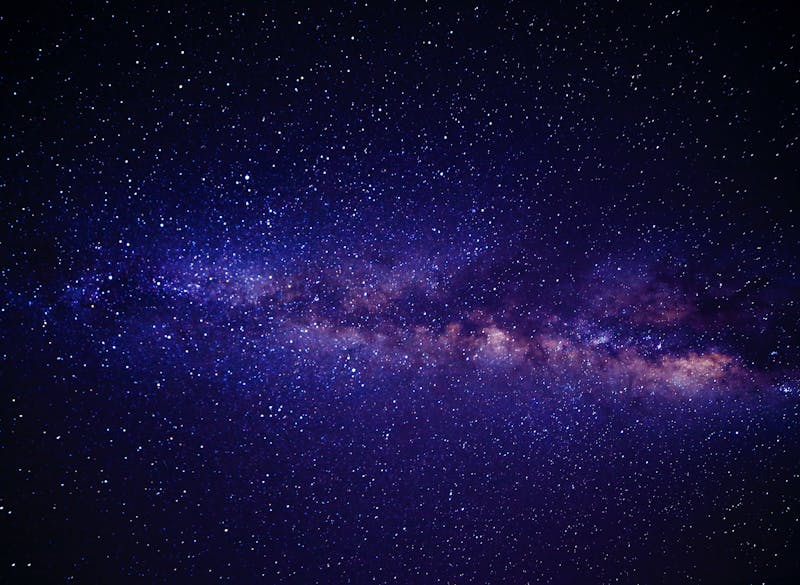
Close with a “moon walk” — play space music and let kids bounce in slow motion, or run a freeze dance where whoever moves when the music stops is “floating in zero gravity.” If you end outdoors after dark, a real look at the stars with a phone star-map app turns the theme into the actual sky above them. Hand each child a small flashlight (not a laser pointer) and let them “beam up” the constellations.
Age-Group Adaptations
For ages 3–5, keep missions short and sensory: bubble “moon walk,” a soft rocket toss, and sticker decorating. Skip small parts entirely. For ages 6–9, the build-and-launch rocket and scavenger hunt are gold; they can follow a simple instruction sheet themselves. For tweens, add the rover-build challenge, a “design your planet” contest, and a galaxy-projector sleepover finish. The same decor serves all three — you just swap the mission difficulty.
Variations: Sleepover, School Event, and Adult Night
A space theme is surprisingly flexible. For a sleepover, run the party dark with the projector, then dim it to a night-light level for sleeping bags under the “stars.” For a school or library event, drop the sugar, lean on the craft stations, and add a quick “planets of the solar system” fact wall. For an adults-only “cosmic” night, keep the galaxy decor, swap the kids’ punch for a botanical gin or a zero-proof spritz, and play ambient electronic music — the look reads as chic rather than childish the moment the crowd changes.
Timeline and Budget
Plan two to three weeks out. Three weeks before: pick the date, send invites (a rocket you “launch” in the design works), and order tableware and any decor you lack. Two weeks before: plan the menu and buy non-perishables; confirm your projector or lights. One week before: shop craft supplies and produce. Day before: bake, make the punch base, and prep craft stations. Morning of: hang stars and planets, set the table, chill drinks, and lay out the mission stations in order.
For about 12 children, decor and lighting (stars, planets, a projector) run $40–$70. Food and drinks land around $60–$90, and themed tableware from the space party supplies collection costs roughly $25–$40. Craft materials are $15–$25 if you buy basics in bulk. Total: about $140–$225 — and the projector becomes a bedtime favorite long after the party.
Safety Notes Worth a Minute
Because a space party often runs in the dark, a few guardrails keep it safe. Skip glow sticks and small foam planets for under-threes (choking risk), and supervise any “launch” activity so stomp-pads don’t hit shins. If you use a fog machine, ventilate and avoid it for guests with asthma. Keep a soft lamp in the craft corner and a clear path to the bathroom so no one trips between the “moon walk” and the snacks. Battery tealights are safer than flames around curiously grabbing hands.
Cleanup and Leftovers
Glow stars peel off cleanly if you warm them with a hairdryer first — do it before you forget, or they’ll stare down at you for months. Foil balloons deflate and store flat for the next event. Most food is disposable-cup friendly, so dishes are minimal; just wipe the sticky nebula-punch station. Sort craft scraps into recycling, and save the cardboard boxes from the rover challenge for the next rainy-day project. A labeled bin system at the door means guests help without being asked.
A Rocket Craft Anyone Can Build
The stomp rocket is the party’s hero craft because it actually flies. Take a toilet-paper tube and paint it silver or wrap it in foil. Tape three triangle fins (cut from cardstock) near one end, and cap the top with a paper cone. Slide the tube over a plastic straw taped to a plastic bottle — step on the bottle and the rocket launches across the yard. Prep the tubes and fins ahead so kids only assemble and decorate; at the party, a “launch pad” marked with chalk keeps the queue orderly. Ten minutes of setup yields an hour of “again, again!”
The Galaxy Cupcake Recipe
This is the dessert that earns the theme. Bake a plain vanilla batch and let them cool fully. Tint three small bowls of buttercream — royal blue, purple, and black (use a little cocoa or black gel). Drop alternating spoonfuls into a piping bag fitted with a star tip so the colors swirl as you pipe. A scatter of edible silver stars on top, and you have a galaxy on a cupcake with zero special skill. Make them the morning of; they hold at room temperature for the party and look better piled on a mirrored tile than arranged in a grid.
A Constellation Story-Time Break
Every space party needs a calm pocket. Dim the projector, hand out flashlights, and run a five-minute “constellation” moment: trace a real shape — the Big Dipper, Orion, Cassiopeia — on the ceiling with a pointer light, and tell the myth behind it. Kids who have been sprinting for an hour will actually sit for this; it’s the reset that lets the party run longer without meltdown. If the group is older, turn it into a challenge: who can find the most real constellations with a star-map app before the timer rings.
Hosting Space on a Backyard Budget
You can run a full space party for under $100 if you borrow the big items. The galaxy projector is the one real purchase; everything else — stars, planets, balloons — is a few dollars at a craft or party store, and the food is pantry-friendly. Skip the custom cake and do galaxy cupcakes (above); skip the hired entertainer and run the missions yourself with a printed schedule taped to the fridge. The themed tableware from the space party supplies collection is the only “splurge,” and it does the heavy lifting visually so you don’t need elaborate decor.
Music and the Moon Walk
A space playlist should feel weightless. Open with calm instrumental or “space” ambient tracks as guests arrive, move into upbeat movie scores (think adventure and exploration), and save one big “party” song for the moon-walk finale. Keep volumes moderate — little ears are sensitive, and you want them able to hear instructions during missions. A bluetooth speaker on a chair is enough; you don’t need a PA. The “moon walk” itself — slow-motion bouncing to a single looping track — is the photo moment parents will screenshot, so plan it for when the light is still good if you’re outside.
Adapting for a Mixed-Age Crowd
If siblings of different ages show up, run missions in two parallel lanes. Toddlers get the bubble moon-walk and sticker decorating at a low table; older kids get the rocket launch and rover build. Trade off so a parent isn’t pinned to one group. The decor serves both — the little ones are dazzled by the stars, the big ones by the “cool” factor — so you get a coherent party from one setup. The only rule is that the small parts stay with the older lane.
Why Kids Love Space (and How to Use It)
There’s a reason space beats most themes for the 4–10 set: it’s the one “far away” that feels both safe and infinite. Kids can name planets before they can spell them, and the idea of floating, of stars you can’t count, of a rocket you build yourself, sits right at the edge of their imagination. Use that. Let them name the planet they “discovered,” let them decide the rocket’s mission, let them be the captain in the photo corner. The party works best when the child, not the parent, is the astronaut in charge — your job is just to keep the snacks coming and the stars glowing.
Invitations That Set the Orbit
The invite does half the hype. A card shaped like a rocket, or a message that reads “Report for duty, Junior Astronaut [Name]” with a time and a “dress: your coolest space gear” line, gets kids excited before the doorbell rings. For a digital invite, a simple star-field background and a countdown to launch works. Ask guests to come as an astronaut, an alien, or a planet — the costumes become free decor the moment they walk in. One practical line to include: “bring a flashlight if you have one,” so your photo-corner beam squad is stocked.
Frequently Asked Questions
Is a space party only for young kids? No. Tweens love the galaxy-projector sleepover version, and adults enjoy a “cosmic” cocktail night with the same decor dialed up and the food swapped for grazing boards.
How dark should the room be? Dark enough that the stars and projector pop, but not so dark that you lose sight of toddlers. Keep a soft lamp in the craft corner and a clear path to the bathroom.
Any safety notes? Yes — skip glow sticks and small foam planets for under-threes (choking risk), and supervise any “launch” activity so stomp-pads don’t hit shins. If you use a fog machine, ventilate and avoid it for guests with asthma.
Can I do this outside? Perfectly, especially in summer. Hang stars on a pergola or tent, use battery lights, and end with the real night sky. Just have a weather backup.
What’s an easy take-home favor? A “mission kit”: a glow star, a small flashlight, and a chocolate moon rock in a printed “astronaut ID” bag. Cheap, on-theme, and genuinely played with later.
Launch the Best Party in the Galaxy
A space party succeeds because it meets kids exactly where their imagination already is — somewhere past the stars. Darken the room, fire up the projector, and let the missions run. Stock up on space party supplies and galaxy birthday party supplies so the table looks like it belongs in orbit, then step back and watch a crew of junior astronauts take over. They’ll leave talking about the “moon rocks” for a week — and you’ll have pulled off the coolest party on the block without leaving the atmosphere.