


Boho Party Ideas: The Ultimate Bohemian Celebration Guide

What Makes a Boho Party Feel Right
Boho is one of the very few party styles that looks better the less perfect it is. Where a formal dinner party punishes a crooked centerpiece, a bohemian table rewards one — a slight tilt to the runner, a mixed set of glasses, a vase of dried grass that leans to the left. That is the whole appeal. Boho is warm, layered, tactile and unhurried, and it is the reason it has become one of the most searched party aesthetics in the world for birthdays, bridal showers, baby showers, engagements, graduations and casual weddings.
It is also, mercifully, one of the cheapest themes to execute well. The core ingredients are natural materials, low lighting and something with texture. You do not need a designer, and you do not need matching anything. In fact, matching is the one thing that will ruin it.
This guide covers the full picture: how to build a boho color story that reads as deliberate rather than random, how to layer textiles and textures so a room feels styled, how to handle the table itself, the grazing-style menu that suits this kind of gathering, drinks, music, activities that feel like rituals instead of games, how the look changes by occasion and by season, a full budget and timeline, and a short, useful section on enjoying this aesthetic without appropriating anyone's culture.
The Boho Color Story
Boho palettes are all built from the same handful of earthy tones. Choose four and commit to them.
- Terracotta and rust — the backbone of the aesthetic. Warm, dusty, and beautiful against both greenery and white.
- Sage and olive green — the calm center. Works in every season and every venue.
- Mustard and ochre — the energy. Use it sparingly as an accent and it lifts the whole table.
- Cream, oatmeal and ivory — your base layers: cloth, plates, napkins, candles.
- Blush and dusty rose — softens the palette and makes the look work for weddings and showers.
- Deep brown, charcoal and black — the anchors. Boho without a dark tone can tip into looking washed out.
The trick is proportion: roughly sixty percent neutrals, thirty percent terracotta and sage, ten percent accent. That ratio produces a table that looks styled rather than themed. If your palette is starting to feel flat, you are almost always missing the dark anchor — add one black or deep-brown element and it snaps into place.
For a party that leans more autumnal, shift the balance toward rust, mustard and brown. For spring and summer, push cream, sage and blush. For an evening event, deepen everything and let candlelight do the rest.
Layering Textiles, Textures and Natural Elements
Boho is a texture-forward style. Colour alone will not get you there; the aesthetic depends on things you want to touch.
The materials that matter most:
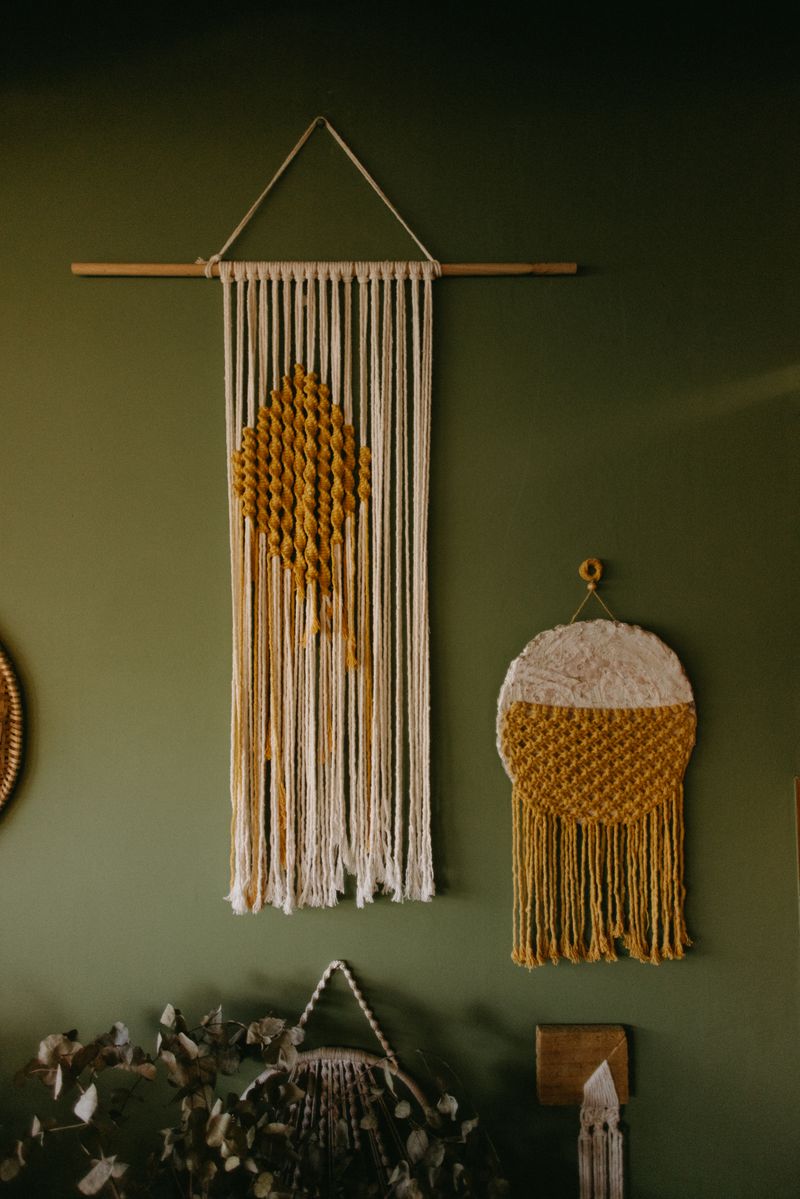
- Macramé. Wall hangings, table runners, plant hangers and chair backs. A single macramé panel behind a table is the fastest way to make a room read as boho.
- Jute and burlap. Table runners, placemats and ribbon. Inexpensive and instantly warming.
- Linen and muslin. Draped, never ironed. Buy more than you think you need — long, pooling fabric is the boho signature.
- Rattan, cane and wicker. Baskets, trays and lanterns. Use them as serving vessels rather than storage.
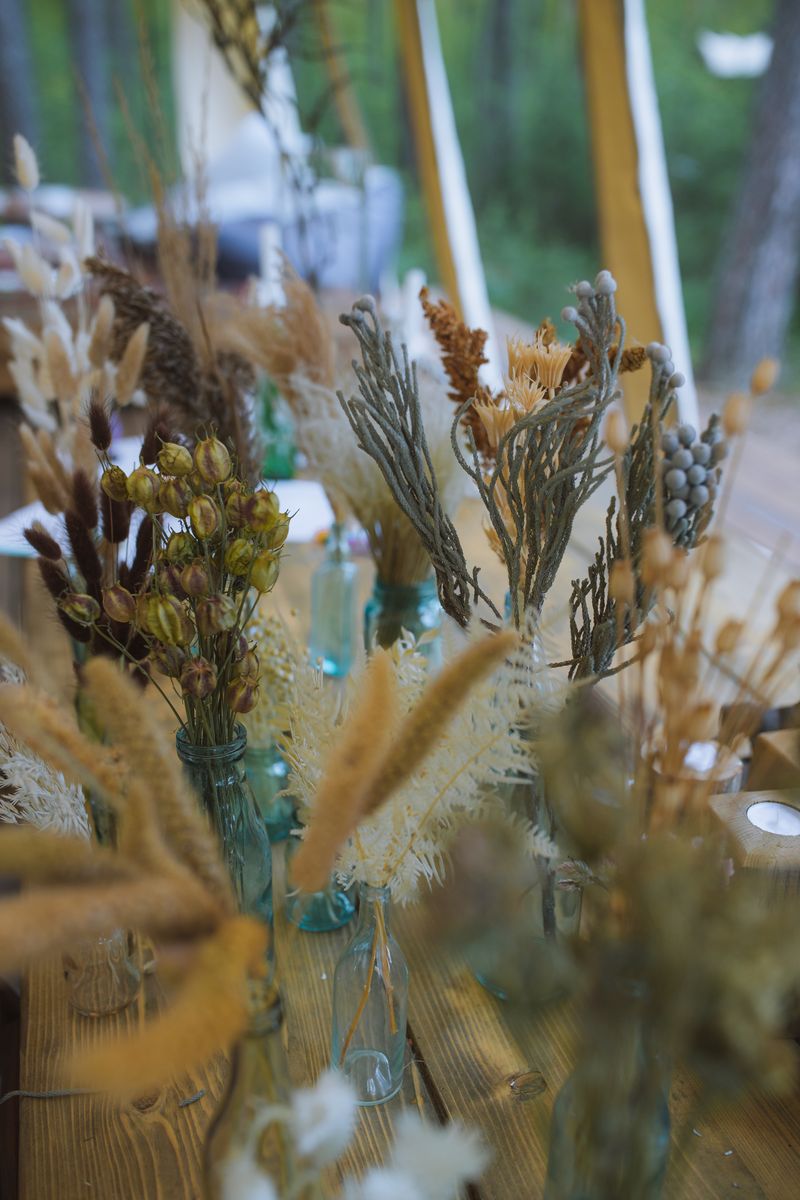
- Dried florals and pampas grass. Pampas grass in tall vases is the defining boho centerpiece — it is tall, soft, neutral and requires zero arranging skill.
- Wood, stoneware and clay. Chargers, boards, bowls and candle holders. Mix rustic with smooth; the contrast is what makes it look collected rather than bought.
- Candles, plenty of them. Cream pillar candles at staggered heights, plus a few floating in shallow bowls.
How to layer without making a mess. Work from the floor up. A rug first, then a table or seating arrangement, then fabric, then a centerpiece, then candles, then one tall element, then one hanging element. Stopping at three layers makes a space feel sparse; going past six makes it feel cluttered. Four or five is the sweet spot. And keep one element deliberately imperfect — an unarranged vase, a knot in the macramé, a runner left askew — because symmetry is what makes boho look like a hotel banquet.
Backdrops, Arches and Photo Moments
Every party now has a photo moment, and boho is unusually good at them because the backdrop does not need to be a rented wall — it can be a corner of your living room.
Macramé or textile arch. Tie or drape a long piece of fabric over a wooden or metal arch, add two hanging macramé panels on either side, and finish with eucalyptus or dried palms at the base. This is the single most photographed boho setup and it takes twenty minutes to build.
Fringe and streamer wall. Fringe garlands and muted balloon garlands in cream, terracotta and sage. Avoid shiny foil — matte and pearl finishes only, or the aesthetic collapses into generic party store.
Ladder and shelf displays. A wooden ladder or two stacked crates with candles, small plants and framed photos. Costs almost nothing, looks intentional.
Hanging installations. Dried palm leaves, paper lanterns, woven baskets or macramé plant hangers suspended from the ceiling at different heights. This is the element that makes an indoor boho party feel like an outdoor one.
Photo line. A length of twine with mini wooden pegs, polaroid prints and a few pressed dried flowers. Guests add to it all evening and the result becomes a keepsake.
For the backdrop itself, a plain neutral party backdrop gives you a clean base that takes fabric and greenery well, and a few understated party decoration pieces in cream and terracotta will finish the look without any of the shiny plastic that boho cannot absorb.
Table Styling: From Casual to Formal
The boho table is where the aesthetic either lands or falls apart, so it is worth slowing down here.
The base layer. Start with a runner rather than a full tablecloth — a natural linen or jute runner down a bare wooden table is more boho than any cloth. For a formal version, use a full cloth in cream and layer a runner on top.
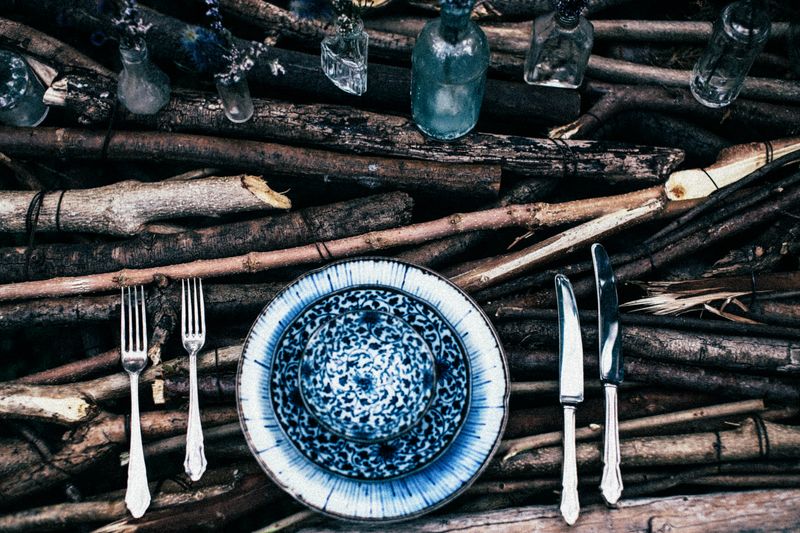
Place settings. Boho leaves room for pattern, which is a relief if you are hosting thirty people. Mixed-pattern placemats, a plain plate and a patterned napkin, folded loosely rather than pressed. Nothing should look ironed. If you want the look to feel cohesive across a long table, alternate two patterns rather than using ten.
Centerpieces. Keep them low so guests can see across the table. A cluster of three: one tall (pampas grass, dried palm or a candlestick), one medium (a stoneware bowl or a vase of dried botanicals), one low (a wooden board with a few candles). Repeat that three-piece cluster every half metre along a long table.
Details that elevate it. A sprig of dried eucalyptus or a single dried flower on each napkin. Name cards written by hand on kraft paper. A small terracotta pot of herbs as a favor that doubles as decor. Beeswax candles rather than white paraffin, for the warmth of the flame.
For paper goods, this is the one place where a small amount of shopping pays off enormously. A sage green paper plates run is the closest thing to a shortcut — the colour is boho's neutral and it makes a table look styled with no effort. Mix in floral paper plates for a garden or shower version, add paper placemats in a natural tone as your base layer, and finish with decorative napkins in a terracotta or blush pattern for the fold.
The Boho Menu: Grazing, Bowls and Comfort Food
Boho food is generous, unfussy and built for people to eat standing up while holding a drink in the other hand. Think abundance rather than precision.
The grazing table. This is the boho centerpiece and it replaces the buffet entirely. Build it in zones on a long board or table covered in kraft paper: cheeses, cured meats, olives, marinated vegetables, hummus and dips, flatbreads, crackers, grapes, figs, dried apricots, nuts, honey in a jar with a dipper, and a handful of fresh herbs scattered to finish. The key is density — the board should look overflowing and slightly wild, not neatly spaced.
Bowl food. If you are serving a meal rather than only grazing, bowls are the boho format. Build-your-own with a base of rice, quinoa, couscous or flatbread; a protein such as grilled chicken, falafel or roasted chickpeas; roasted vegetables; a fresh element such as cucumber, tomato or slaw; and two or three sauces. Guests assemble their own and there is something for every dietary requirement without a single special plate.
Warm, comforting mains. Slow-cooked meat, roasted vegetables with herbs, a big tray of roasted potatoes, flatbread straight off a griddle, and a vegetable tagine or coconut curry kept warm in a covered pot.
Desserts that suit the aesthetic. A naked or semi-naked cake with minimal frosting. Pavlova with berries and cream. Dried fruit and dark chocolate. Shortbread. Anything rustic and unfrosted. Consider a small cake-decorating element where guests add their own dried flowers and berries.
Food styling notes. Serve everything on wood, stoneware, clay or enamel. Use baskets, not plastic bowls. Label nothing with printed cards — write them by hand on kraft paper or skip labels entirely. The styling principle is the same as the decor: natural materials, low contrast, no plastic.
Keep napkins and snack vessels in natural or terracotta tones, and small snack cups are ideal for a grazing table because guests can carry a portion of nuts or olives without abandoning their drink.
Drinks: Signature Sips and Self-Serve Stations
Boho drinks should look like they were poured by someone who was not trying too hard, which is easy to achieve with the right glassware and a couple of beautiful colours.
Cocktails and mocktails that fit the palette:
- Lavender lemonade — pale purple, floral, works with or without gin or vodka.
- Hibiscus and rose spritz — deep pink over ice with soda and a slice of orange.
- Elderflower and cucumber cooler — pale, crisp, and the most refreshing drink on a warm afternoon.
- Peach and rosemary iced tea — a pitcher of this disappears faster than anything else you will make.
- Golden turmeric cooler — ginger, turmeric, lemon and honey. Striking in a glass dispenser.
- Berry sangria — red wine, berries, orange and a cinnamon stick, or a non-alcoholic version with grape juice.
The station setup that saves you. One large glass beverage dispenser with a spigot, one bowl of ice, one garnish tray (citrus wheels, cucumber ribbons, mint, rosemary sprigs) and a stack of glasses or cups. Set it away from the food so the two queues do not collide. Add a pitcher of water with cucumber and mint — it keeps people hydrated and it looks beautiful.
Glassware. Boho does not require matching glassware; mismatched is the point. But if you are hosting a large group, solid-colour or clear paper cups look better here than printed ones, because print fights the natural materials. Amber, cream or plain cups read as intentional.
For a dry party, make four or five mocktail versions and serve them in the same dispensers and the same glassware. Frame them as the signature drinks, not as substitutes. Nobody at a boho party notices what is missing when the drinks are this pretty.
Music and Mood
Boho music is warm, acoustic and slightly melancholic. Nothing aggressive, nothing with a heavy electronic beat until very late in the evening.
Arrival and grazing: acoustic folk, indie folk, soft soul. Ukulele, guitar, brushed drums, close harmonies.
Dinner: classic soul and vintage jazz. Something with horns and warmth that people can talk over.
Evening and dancing: indie pop, world-influenced acoustic, soft rock. If guests are dancing, shift gradually toward something with a beat rather than switching abruptly.
If your budget allows one live element, a single acoustic guitar player or a small duo does more for the atmosphere of a boho party than any other expense. If not, a well-built four-hour playlist is genuinely enough — just make sure it never stops and never repeats audibly.
Scents matter more than most hosts expect. A candle with sandalwood, amber, fig or cedar is the finishing touch that makes boho feel like a place rather than a party. Avoid anything sweet or fruity, which fights the aesthetic.
Activities That Feel Like Rituals
Boho activities should be gentle, tactile and optional. Nobody should feel herded.
- Flower crown bar. A table of dried and fresh blooms, wire, ribbon and a mirror. Universally popular, works for every age, and everyone leaves wearing something.
- Macramé keychain or bracelet station. A simple knot pattern, jute or cotton cord, and a card with step-by-step instructions. Ten minutes to teach, an hour of engagement.
- Polaroid and photo line. Instant prints pinned to twine as the evening goes on.
- Candle pouring or terracotta pot painting. Small terracotta pots, a few paint colours, and a herb seedling to plant at the end. Doubles as a party favor.
- Wish jar. Guests write a wish for the guest of honour, fold it and drop it in a glass jar. Read aloud only if the guest of honour wants to.
- Natural dye or tie-dye station. For a kids' or teen boho party. In natural tones only — indigo, walnut, turmeric — to stay on-palette.
- Star chart and astrology table. A printed night-sky map for the guest of honour's birthday, plus a telescope or binoculars if the party is outdoors. Quirky, memorable and pure boho.
- Graze-and-paint. Small canvases, muted paint colours and a still life made from the party's own decor. A lovely low-key activity for adults.
Boho by Occasion
The same aesthetic flexes remarkably far depending on the event.
Boho birthday. For a child or teen, push the activities and keep the palette and palette-adjacent decor — macramé, fringe, dried grasses, terracotta. Cake on a wooden board, a flower crown bar, and a photo line.
Boho bridal shower. The most common use of this style. Lean blush and cream, add dried pampas grass in tall vases, use linen runners, and build a grazing table. Add a table where guests write marriage advice on kraft cards.
Boho baby shower. Sage, cream and ochre. Low tables with floor cushions, a nappy-free neutral cake, and a station where guests decorate onesies or write letters to the baby.
Boho wedding or engagement. Neutral linens, terracotta accents, an arch with draping and dried botanicals, low centerpieces, mixed wooden chairs and candles everywhere. The more candlelight, the better.
Boho graduation. Terracotta and mustard, a wooden ladder display of photos through the years, a grazing table, and a wheel where guests write their one piece of advice.
Boho picnic. The purest version. Rugs on the ground, low tables or flat trays, cushions, baskets, jars of flowers, and a grazing spread. No chairs, no scheming — this is boho at its most natural and the easiest version to host.
Boho in autumn and winter. Shift to rust, mustard, deep brown and dried oranges. Add blankets, sheepskin throws, warm lanterns and spiced drinks. Boho is arguably even better in cold weather, because texture reads more strongly and candlelight does more work.
Indoor, Outdoor and After Dark
Outdoors. The aesthetic is native to gardens, parks, barns, beaches and backyards. Use festoon lighting strung overhead, lanterns on the ground, and clusters of candles in glass hurricanes to stop the wind. Anchor light fabric with weights or you will spend the evening chasing it.
Indoors. The challenge is softness — indoor lighting is too harsh for boho. Turn off overhead lights entirely. Use uplighting in warm amber, candles, festoon string lights and a few table lamps with warm bulbs. Add texture to compensate for the lack of greenery: a rug, throws, hanging installations and dried arrangements at eye level.
After dark. Boho is at its best after sunset. Light candles thirty minutes before guests arrive so the room is already glowing, and add more than you think you need — plan roughly one candle per guest. Add a fire pit or chiminea outdoors if you have one; nothing else creates the same mood.
Scaling the Look: 12 Guests vs 60
Small gatherings (under 20). One statement table, one grazing board, one focal backdrop. Spend the money you save on better food and better candles. Small boho parties should feel intimate and layered rather than impressive.
Medium (20–40). Add zones: a grazing station, a drinks station, a dessert table and a photo backdrop. Keep the palette identical across all four so the space reads as one party rather than several. This is where the mixed-pattern tableware approach saves you — alternating two patterns looks intentional at scale and costs far less than matching everything.
Large (40–60+). Go long. One very long table or several tables in a row with runners, clustered centerpieces and candles, and a single repeated place setting. At this size, repetition beats variation — one pattern, one glass type, one napkin colour, and let the centerpieces and lighting supply the interest. Consider hiring rather than buying linen, and use natural materials for signage.
Budget Tiers and Timeline
Budget for 30 guests:
- Simple ($100–180): Pampas grass and dried botanicals, kraft paper runners, mismatched candles you already own, solid-colour paper goods, grazing board from supermarket ingredients, a four-hour playlist.
- Standard ($250–450): Add macramé panels, linen runners, LED candle clusters, amber uplighting, a balloon garland in muted tones, a flower crown bar and a proper grazing table.
- Generous ($600–1200): Add rented furniture, a wooden arch with fabric draping, an acoustic musician for three hours, custom terracotta favors, real linen and a catered bowl bar.
Timeline:
- Six weeks out: Choose the palette and the occasion angle. Book any musician or rental.
- Four weeks out: Send invitations. Order paper goods, fabric, macramé and candles.
- Two weeks out: Buy or gather dried florals and baskets. Confirm the menu and the grazing list. Test your two signature drinks.
- One week out: Build the playlist. Wash and press (or deliberately not press) all linens. Assemble activity supplies into stations.
- Two days out: Shop for food. Set up the backdrop and any hanging installations.
- Day before: Set the table, arrange dried florals, charge the speaker, chill the drinks, gather all candles in one place.
- Day of: Build the grazing table last so it looks fresh. Light candles thirty minutes before guests arrive. Put the music on ten minutes before the first guest so you are not fiddling with it at the door.
A Three-Hour Boho Party Flow
- 0:00–0:30 — Arrival. Acoustic folk at low volume. Drinks station open, grazing table already fully built and looking abundant. Guests drift, nobody is seated yet.
- 0:30–1:15 — Grazing and mingling. This is the heart of a boho party. Keep everyone standing and circulating. Bring out a second wave of warm food halfway through so the table never looks empty.
- 1:15–1:45 — Activity. Open the flower crown bar or the craft station. Music shifts slightly warmer.
- 1:45–2:15 — Main course or dessert. Candles relit, playlist moves to soul or vintage jazz, coffee and tea appear.
- 2:15–3:00 — Wind down. Polaroids pinned to the line, hugs, favors handed out at the door. Keep the music playing until the last guest leaves — silence signals an ending and boho parties should fade rather than stop.
Boho Without Appropriation: A Short, Useful Note
Boho borrows from many traditions, and it is worth being deliberate about what you borrow. A few simple principles keep the aesthetic respectful and, frankly, better.
- Take inspiration from materials, not from sacred objects. Macramé, jute, linen, dried grasses, stoneware and candlelight belong to no single culture and can be used freely. Ceremonial or religious items belong to the communities that made them.
- Leave out dreamcatchers, feather headdresses and "tribal" prints. These are the three most over-used boho clichés and all three are drawn from specific Indigenous traditions where they carry meaning. There are endless alternatives with equal visual appeal.
- Buy handmade when you can, and credit the maker. If you use hand-woven or hand-made pieces, tell guests where they came from. A small card on the table costs nothing and turns decoration into a compliment.
- Source botanicals responsibly. Buy dried florals from local growers rather than wild-harvested imports, and reuse them — pampas grass and dried eucalyptus keep for years and can be stored between parties.
Boho done thoughtfully is beautiful. Boho done carelessly is a costume. The difference is a small amount of intention.
FAQ: Boho Party Planning
Q: What does "boho" actually stand for?
A: Bohemian. In party terms it has come to describe a relaxed, layered, nature-inspired aesthetic built from earthy tones, natural materials and texture — the opposite of a matched, formal, symmetrical setup.
Q: What colours are boho?
A: Terracotta, rust, sage, olive, mustard, ochre, cream, oatmeal, blush and deep brown, anchored with charcoal or black. Aim for roughly 60 percent neutrals, 30 percent warm earthy tones and 10 percent accent.
Q: Can I do boho on a small budget?
A: Yes, and more easily than almost any other theme. Pampas grass, kraft paper, jute, mismatched candles, natural baskets and solid-colour paper goods in earthy tones will produce a convincing boho table for well under a hundred dollars.
Q: Is boho appropriate for a kids' party?
A: Absolutely. Keep the palette and the texture, then lean on activities — flower crowns, macramé bracelets, terracotta pot painting, tie-dye in natural tones. It works especially well for a first birthday, a garden party or a teen celebration.
Q: How do I make boho work indoors?
A: Turn off the overhead lights. Add warm, low lighting — candles, festoon string lights, amber uplighting. Then add texture at eye level with hanging installations, dried arrangements and fabric. Indoor boho fails when it is brightly lit and flat.
Q: Do I need real flowers?
A: No, and dried is generally better. Dried pampas grass, eucalyptus, palm, wheat and bunny tails are on-palette, require no arranging skill, never wilt mid-party and can be reused for years.
Q: What makes a boho party look cheap?
A: Shiny foil balloons, matching printed tableware with cartoon characters, bright primary colours, visible plastic serveware and overhead white lighting. Replace all five with muted tones, natural materials, solid-colour paper goods and warm light and the same party looks ten times more expensive.
Q: Can boho work in winter?
A: It works better in winter than most themes. Shift to rust, mustard and deep brown, add blankets and sheepskin, use plenty of candles and lanterns, and serve warm spiced drinks.
Beautifully Undone: Final Thoughts
Boho is the rare party style that gets better when you stop trying to control it. Layered fabric, mismatched glassware, a slightly crooked arrangement of dried grass, candles that have burned unevenly for an hour — all of it adds up to a room that feels warm, lived-in and genuinely welcoming. That is the reason this aesthetic keeps winning, and it is the reason your guests will remember the evening long after the flowers have dried.
Start with four colours. Add texture in three or four layers. Put a grazing table in the middle of the room, light more candles than feels reasonable, and let people stand up and talk. For the table itself — from sage green paper plates and floral paper plates to paper placemats, decorative napkins and party backdrops — everything you need is at Grencian. Now go buy some pampas grass.