


Christmas Party Supplies: The Ultimate Guide to Hosting an Unforgettable Holiday Celebration

Why a Christmas Party Deserves Real Planning
Christmas is the most celebrated holiday in the world, and for good reason—it brings together family, food, generosity, and twinkling lights in a way no other occasion can match. But let us be honest: hosting a Christmas party is not as simple as tossing up a tree and hoping for the best. The best Christmas parties are the ones where the decor, the food, the activities, and the tableware all work together to create a cohesive, warm, and memorable experience for guests of all ages.
Whether you are planning an intimate family gathering, an office holiday party, or a large community celebration, this ultimate guide will walk you through every element you need to consider. From choosing a color scheme that wows to building a menu that keeps guests coming back for seconds, we have you covered. And for all your tableware needs, Grencian's Christmas party supplies collection offers coordinated plates, napkins, cups, and decor that take the guesswork out of matching.

Choosing Your Christmas Party Theme and Color Scheme
Classic Themes That Never Fail
The foundation of any great party is a clear theme, and Christmas offers more options than almost any other holiday. Here are the most popular and enduring themes:
Traditional Red and Green: The timeless combination of deep crimson, forest green, and gold. Think plaid tablecloths, holly berry napkins, and gold-rimmed plates. This is the look that says "classic Christmas" to most people, and it works in both casual and formal settings. Pair it with pinecones, cinnamon sticks, and fresh greenery like cedar or rosemary sprigs for a fragrant tablescape.
Winter Wonderland: An all-white and silver palette that transforms your space into a snowy dreamscape. White tablecloths, silver chargers, snowflake garlands, and frosted glass candleholders create a serene, elegant atmosphere. This theme is particularly striking for evening parties where candlelight and string lights can do their magic.
Rustic Farmhouse: Reclaimed wood chargers, burlap table runners, mason jar drinking cups, and sprigs of fresh rosemary tied with twine. This cozy, Pinterest-perfect aesthetic has been popular for years and shows no sign of fading. It is also one of the most budget-friendly themes since many elements can be sourced from nature or thrift stores.
Modern Glam: Rose gold, copper, blush pink, and white. This contemporary palette is elegant and Instagram-ready. Rose gold cutlery, blush napkins, and white plates with metallic rims create a sophisticated look that feels fresh and festive without being traditional.
Theme Variations and Mash-ups
Do not feel bound to a single theme. Some of the most memorable Christmas parties combine elements from different aesthetics. A "Rustic Glam" party might pair burlap runners with gold chargers and crystal stemware. A "Tropical Christmas" theme (perfect for Australian, Hawaiian, or Floridian hosts) might swap pine boughs for palm fronds and serve ham with mango salsa instead of cranberry sauce.
The key is intentionality—whatever combination you choose, commit to it across decor, food, and tableware. For coordinated sets that make this easy, browse Grencian's Christmas plates and napkins collection, which features matching designs across multiple product types.
Decor Beyond the Tree: Creating a Full Christmas Atmosphere
The Tree as Centerpiece
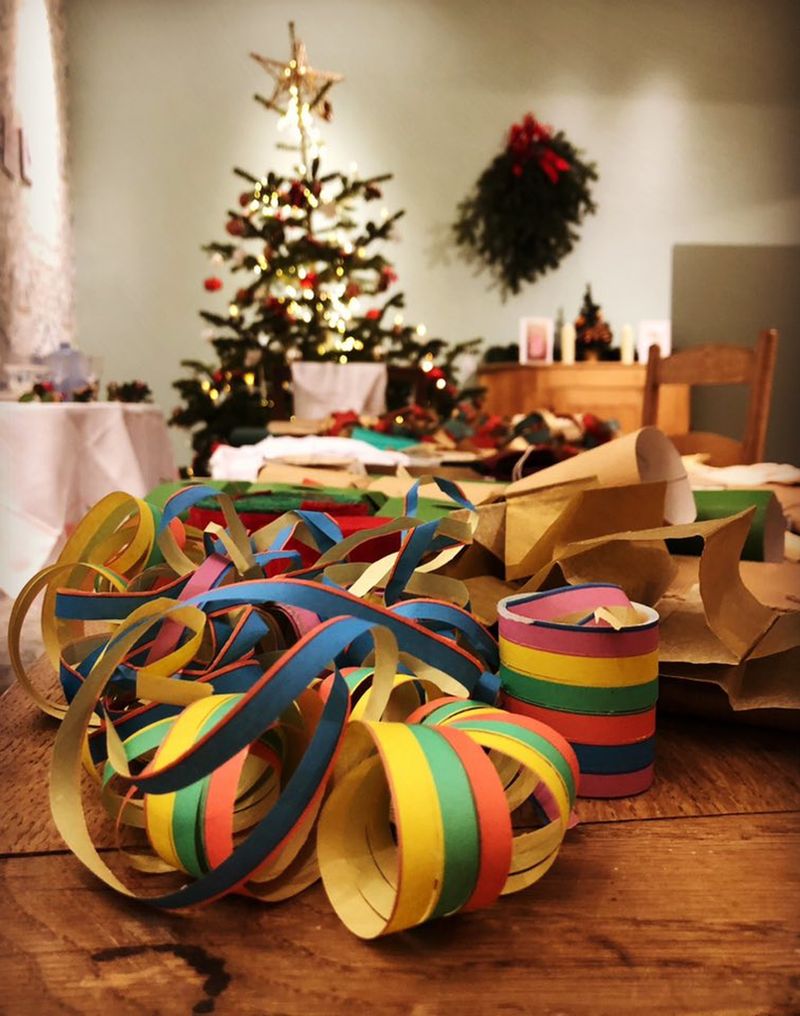
Your Christmas tree is likely the focal point of your party space, so give it the attention it deserves. Whether real or artificial, the tree should be fully decorated before the party starts. For a cohesive look, choose a color scheme for your ornaments—mixing every color of the rainbow can look chaotic. Instead, pick two or three complementary colors and vary the sizes and textures of ornaments within that palette.
Layer your lighting: start with warm white string lights as the base, add larger bulb-style lights for visual interest, and use candlelight throughout the room for warmth. Avoid cool-toned (blue-white) lights for a cozy Christmas atmosphere—warm white is always the better choice.
Tablescaping for the Feast
Your Christmas dinner table is where guests will spend the most time, so invest extra effort here. A well-designed tablescape includes:
- Base layer: A tablecloth or table runner in your theme color. For rustic themes, a burlap runner over a white cloth works beautifully.
- Chargers: Large decorative plates that sit under the dinner plate. Gold, silver, or wood chargers add instant elegance.
- Dinner plates: Choose plates that complement (not exactly match) the charger. For example, white plates with a thin gold rim on gold chargers.
- Napkins: Cloth napkins tied with ribbon and a sprig of rosemary elevate the look. If using paper napkins, choose ones with a pattern that coordinates with the plates.
- Centerpiece: A low arrangement of fresh greenery, candles, and ornaments ensures guests can see each other across the table. Tall arrangements block conversation.
- Place cards: Handwritten name cards on cardstock, tucked into a mini pinecone or tied to a small ornament, make guests feel special.
Ambient Decor Throughout the Space
Beyond the tree and table, extend your decor to other areas guests will see:
Entryway: A wreath on the front door, a doormat with a holiday message, and a small table with a vase of winter greens and berries set the tone before guests even enter.
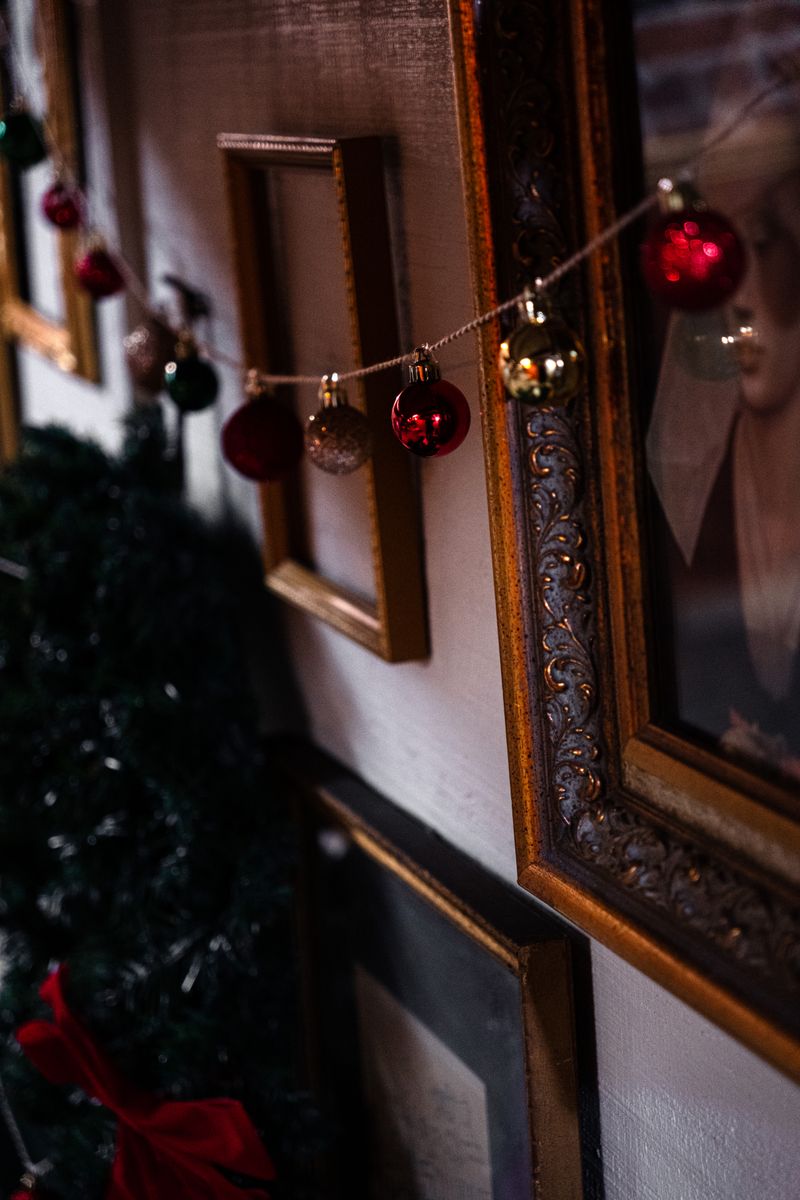
Mantel: If you have a fireplace, swag fresh cedar or fir across the mantel, interspersed with ornaments and battery-operated candles. Hang stockings with care—and with name labels if it is a large gathering.
Food and drink stations: Label each station with a small chalkboard or printed card. Wrap the beverage station in a strand of garland and lights to make it feel festive, not utilitarian.
Food and Drink: Building a Christmas Menu That Delights
The Main Event: Entrees
The centerpiece of most Christmas dinners is a roast—traditionally turkey in North America, but options abound:
Turkey: The classic. A 12–14 pound turkey serves about 10–12 people. Brine it overnight for juiciness, and roast with aromatics (onion, lemon, herbs) in the cavity. Plan for 15–20 minutes per pound at 325°F.
Prime rib: For a more upscale celebration, a standing rib roast is showstopping. A 4-bone roast serves 8–10 people. Season generously with salt, pepper, and herbs, and use a meat thermometer—medium rare is 130°F.
Glazed ham: A baked ham studded with cloves and glazed with a honey-mustard-brown sugar mixture is easier than turkey and universally loved. A 10-pound bone-in ham serves 12–15 people.
Vegetarian main: A mushroom Wellington (mushrooms, spinach, and cheese wrapped in puff pastry) is an impressive vegetarian centerpiece that even meat-eaters enjoy. Serve it alongside the traditional mains.
Sides That Steal the Show
Often, the sides are what guests remember most. Include a balance of comforting and fresh options:
- Mashed potatoes: Make them extra creamy with butter, cream, and a touch of roasted garlic. Can be made ahead and reheated.
- Green bean casserole: The American classic with crispy fried onions on top. Use fresh green beans instead of canned for an upgrade.
- Cranberry sauce: Homemade is vastly superior to canned. Simmer fresh cranberries with orange juice, sugar, and a cinnamon stick—15 minutes is all it takes.
- Stuffing or dressing: Whether cooked inside the bird or in a separate dish, use stale artisan bread, celery, onions, sage, and sausage for a crowd-pleaser.
- Roasted vegetables: Toss Brussels sprouts, carrots, and parsnips in olive oil, honey, and thyme. Roast at 400°F until caramelized.
- Dinner rolls: Warm, soft rolls with butter are essential for soaking up gravy. Store-bought frozen rolls work in a pinch.
Desserts and Sweets
Christmas desserts are where tradition shines brightest. Include at least three options to satisfy different preferences:
Yule log (Buche de Noel): A chocolate sponge cake rolled with cream filling and decorated to look like a log. It is visually stunning and tastes incredible.
Gingerbread cookies: Bake ahead and let guests decorate their own at a cookie decorating station—this doubles as an activity.
Peppermint bark: Layers of dark and white chocolate with crushed candy canes. Make it a few days ahead and break into pieces on a serving platter.
Trifle: Layer cake cubes, custard, fruit, and whipped cream in a glass trifle dish for a showstopping dessert that is easier than it looks.
Drinks: Hot and Cold
Set up a self-serve beverage station with both alcoholic and non-alcoholic options:
Mulled wine: Simmer red wine with orange slices, cinnamon sticks, star anise, and cloves. The aroma alone fills the house with Christmas spirit. For a non-alcoholic version, use apple cider instead.
Hot chocolate bar: A slow cooker of hot chocolate with toppings—whipped cream, peppermint sticks, chocolate chips, and mini marshmallows. Let guests customize their cups.
Christmas cocktails: A cranberry margarita (tequila, cranberry juice, lime, triple sec with a sugar rim) or a pomegranate fizz (pomegranate juice, prosecco, and a rosemary sprig garnish) bring holiday colors to the glass.
Eggnog: Classic, spiked or not, served chilled in a punch bowl with a nutmeg grater alongside. Offer a dairy-free version with oat milk for guests with dietary restrictions.
Scalability: Hosting 10 vs 50 Guests
One of the biggest challenges of Christmas hosting is scaling. What works for 10 guests falls apart at 50. Here is how to adapt your plans:
10–15 guests (intimate gathering): A sit-down dinner at one long table is feasible. You can cook everything yourself, focus on presentation, and even do plated service. This scale allows for the most elaborate tablescaping and a multi-course meal.
20–30 guests (medium party): Switch to a buffet setup. Arrange food on a separate table, and set up the dining table with plates, napkins, and decor but not individual place settings. Use a mix of seating—some chairs, some barstools, some standing tables. Delegate side dishes to guests who offer to bring something.
40–50 guests (large celebration): Go full cocktail-style or potluck. Focus on heavy hors d'oeuvres rather than a sit-down meal. Set up multiple food and drink stations to prevent bottlenecks. Hire or recruit one or two people to manage food replenishment and cleanup so you can actually enjoy the party. Use sturdy disposable tableware—check out Grencian's Christmas party supplies for coordinated bulk options.
At every scale, the golden rule is: prepare more food than you think you need. Leftovers at Christmas are a blessing, not a problem.
Sample Timeline: Planning a Christmas Party from Scratch
4 weeks out: Determine your guest count and theme. Send save-the-dates or invitations (digital is fine). Book any caterers, rentals (extra chairs, tables), or special equipment. Start a master to-do list.
3 weeks out: Finalize your menu. Order specialty ingredients online (prime rib needs to be pre-ordered from a butcher). Purchase decor and tableware—do not leave this to the last week when stores are picked over. Test any recipes you have never made before.
2 weeks out: Deep clean your home, especially the kitchen and bathrooms. Start making freezer-friendly items: cookie dough, pie crusts, and stock for gravy. Arrange furniture for flow—make sure there is a clear path to food and drink stations.
1 week out: Grocery shop for non-perishables. Thaw your frozen turkey in the refrigerator (allow 24 hours per 5 pounds). Make cranberry sauce and pie dough—both keep well. Set up your beverage station and test your lighting.
2 days out: Do the bulk of food prep. Brine the turkey. Make mashed potatoes (reheat on the day). Assemble casseroles. Bake desserts. Set up decor—tree, garlands, tablescaping. Label food stations.
Day of: Roast the turkey or main protein. Reheat sides. Set out appetizers 30 minutes before guests arrive. Put drinks on ice. Light candles and turn on music. Take a moment to enjoy your own party before guests arrive.
FAQ: Christmas Party Planning Questions
How much food do I need per person?
For a sit-down dinner, plan 6–8 ounces of protein per person, 2–3 side dish servings, 2 rolls, and one dessert serving. For a buffet, increase sides by 25% because guests tend to take more. Always have extra bread and gravy—they are cheap to make and cover any shortfall.
What is the best way to keep food warm during a party?
Use chafing dishes with sternos for buffet items. For smaller dishes, a slow cooker on the "warm" setting works perfectly. Cover dishes with foil and keep in a 200°F oven. Replenish serving dishes in smaller batches rather than filling them to the brim—food in a full dish cools faster than you might think.
How do I accommodate dietary restrictions?
Ask guests about allergies when you send invitations. Label all dishes with allergen information—small tent cards work well. Always have at least one vegetarian main, one gluten-free option, and a dairy-free dessert. A separate plate of allergen-free cookies ensures no one is left out of dessert.
What music should I play?
Build a playlist of three tiers: background classics (Sinatra, Bing Crosby, Nat King Cole) for arrival and appetizers, upbeat holiday hits (Mariah Carey, Michael Bublé, Pentatonix) for dinner, and instrumental versions for dessert and winding down. Volume should allow conversation—if guests are shouting, the music is too loud.
How early should I send invitations?
For a small gathering (under 20), 3–4 weeks is sufficient. For a large party (30+), send 4–6 weeks ahead, especially in December when calendars fill quickly. Always include an RSVP deadline so you can finalize your food order.
What do I do about the inevitable guest who brings an unplanned dish?
Welcome it graciously and find a place for it on the buffet. Do not rearrange your carefully planned menu—just add it as an extra option. Most guests bring something because they want to contribute, and that generosity should be celebrated, not stressed over.
First-Time Host Tips: What Nobody Tells You
If this is your first time hosting a major Christmas party, here are the lessons experienced hosts wish they had known from the start:
Do not try to make everything yourself. Pick two or three dishes to make from scratch and buy or delegate the rest. Nobody will judge you for serving store-bought rolls when the turkey and stuffing are homemade. The goal is to spend time with your guests, not be chained to the stove.
Set up a "clean as you go" station. A trash can with a bag, a sink with soap and sponge ready, and a dish rack for items that need hand washing. Assign someone (or rotate the job) to do a quick wipe-down of the food station every 30 minutes.
Take photos before guests arrive. You spent hours on the tablescape—capture it while it still looks perfect. Once the food comes out and guests start serving themselves, it will never look the same again.
Accept help. When guests ask "What can I bring?" have an answer ready: "A bottle of wine," "A dessert," "A bag of ice." People want to contribute—let them.
Have a recovery plan. Stock up on to-go containers for leftovers, set a trash and recycling station, and designate a quiet corner where you can take a 10-minute breather if needed. Hosting is a marathon, not a sprint.
Wrapping Up: Make This Christmas Unforgettable
The best Christmas parties are not the ones with the most expensive decor or the most elaborate menu—they are the ones where guests feel welcome, fed, and festive. Every detail you plan, from the color of your napkins to the temperature of your mulled wine, contributes to an atmosphere that says "I am glad you are here."
Start with a solid theme, build a menu that balances tradition with accessibility, set a table that makes guests feel special, and—this is the most important part—take time to actually enjoy the party you have created. When the tableware matches, the food flows, and the lights twinkle, you have created something magical. Stock up on everything you need at Grencian's Christmas party supplies collection and coordinated plates and napkins—because the details matter, and the right supplies make all the difference.
Merry Christmas, and happy hosting!